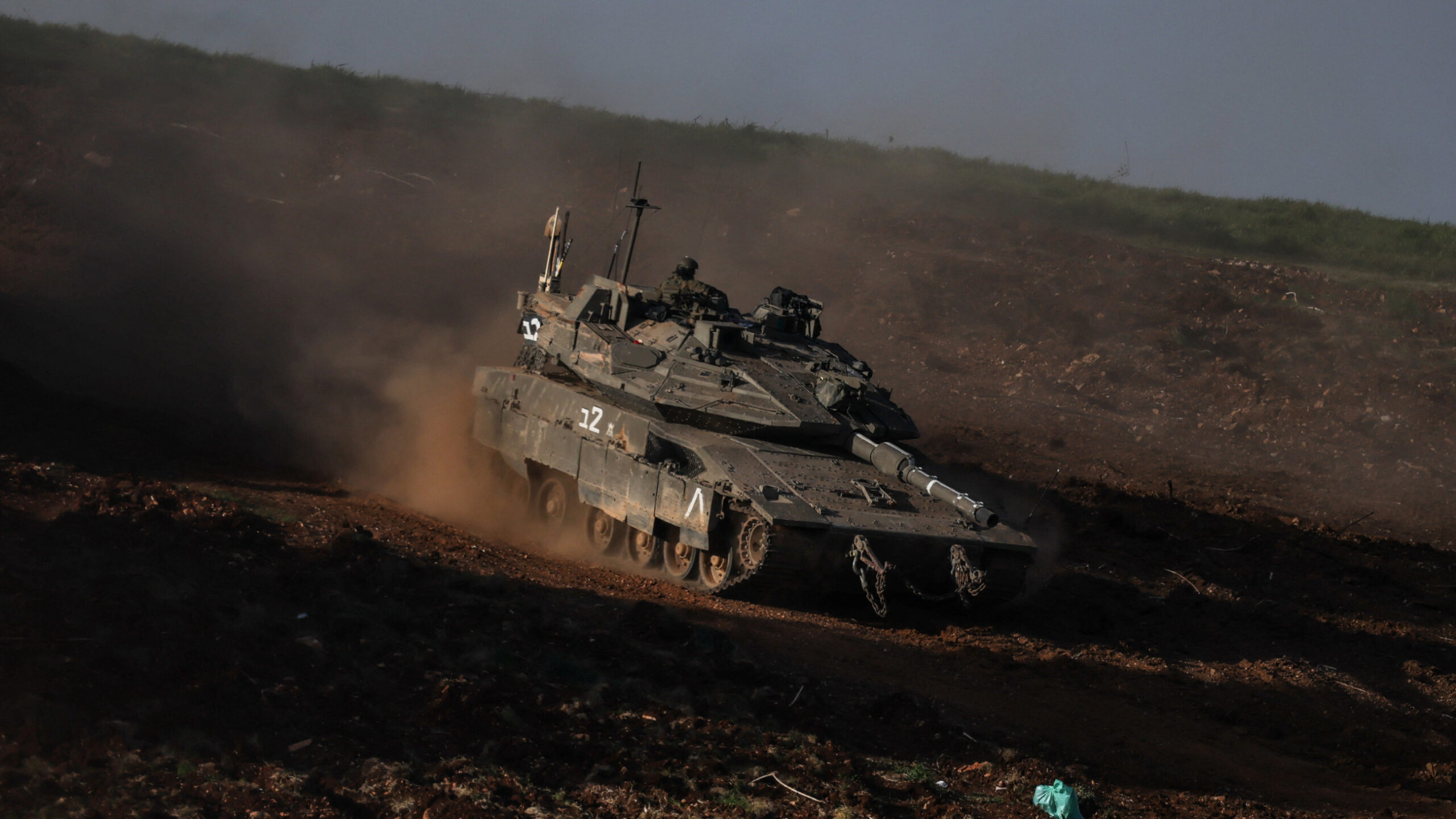
European officials are sounding alarms that Israel’s military campaign in southern Lebanon is developing ominous parallels with its 1982 invasion, with warnings that the current offensive might ultimately prove more devastating. According to insights shared with Middle East Eye, the conflict’s protracted nature and expanding scope are generating profound concerns among diplomatic circles.
The Israeli military operation has transformed most territories south of Lebanon’s Litani River into active combat zones, implementing comprehensive expulsion orders for all residents and systematically targeting critical infrastructure including bridges and river crossings. This strategic isolation has effectively severed southern regions from the remainder of the country, creating humanitarian corridors that are increasingly impassable.
Despite unprecedented diplomatic overtures from Beirut—including offers for direct talks and measures to distance the government from Hezbollah’s activities—Israeli officials have demonstrated minimal interest in negotiated solutions. Tel Aviv has dismissed these efforts as insufficient, citing Beirut’s prolonged inability to constrain Hezbollah’s military operations since the conclusion of the previous conflict in November 2024.
The current military strategy, described by European sources as implementing a ‘Khan Younis option’ reminiscent of Gaza tactics, involves systematic infrastructure destruction, building demolitions, and population displacement. Israeli forces are advancing coordinately toward the Litani River while encountering significant resistance from Hezbollah’s guerrilla fighters in strategic border territories.
Senior Israeli officials have openly discussed maintaining an indefinite security presence in Lebanon, with Finance Minister Bezalel Smotrich proposing territorial extension to the Litani River and Defense Minister Israel Katz explicitly stating intentions to occupy southern Lebanese territories post-conflict. Approximately 600,000 displaced Lebanese citizens have been barred from returning to their homes south of the Litani until Israel’s security requirements are fully met.
The humanitarian situation continues deteriorating dramatically, with over 1,200 fatalities recorded and more than 1 million residents displaced from Beirut’s southern suburbs and eastern regions. The Norwegian Refugee Council reports evacuation orders affecting residents across 14% of Lebanon’s territory, while Shia populations face particular difficulties securing shelter due to fears of Israeli strikes.
European diplomatic interventions, including French Foreign Minister Jean-Noel Barrot’s recent visit to Israel, have produced minimal progress toward conflict resolution. With senior officials predicting the war could extend for months or years, concerns are mounting that prolonged hostilities might reawaken Lebanon’s sectarian divisions and ultimately eliminate potential political partners for future negotiations.