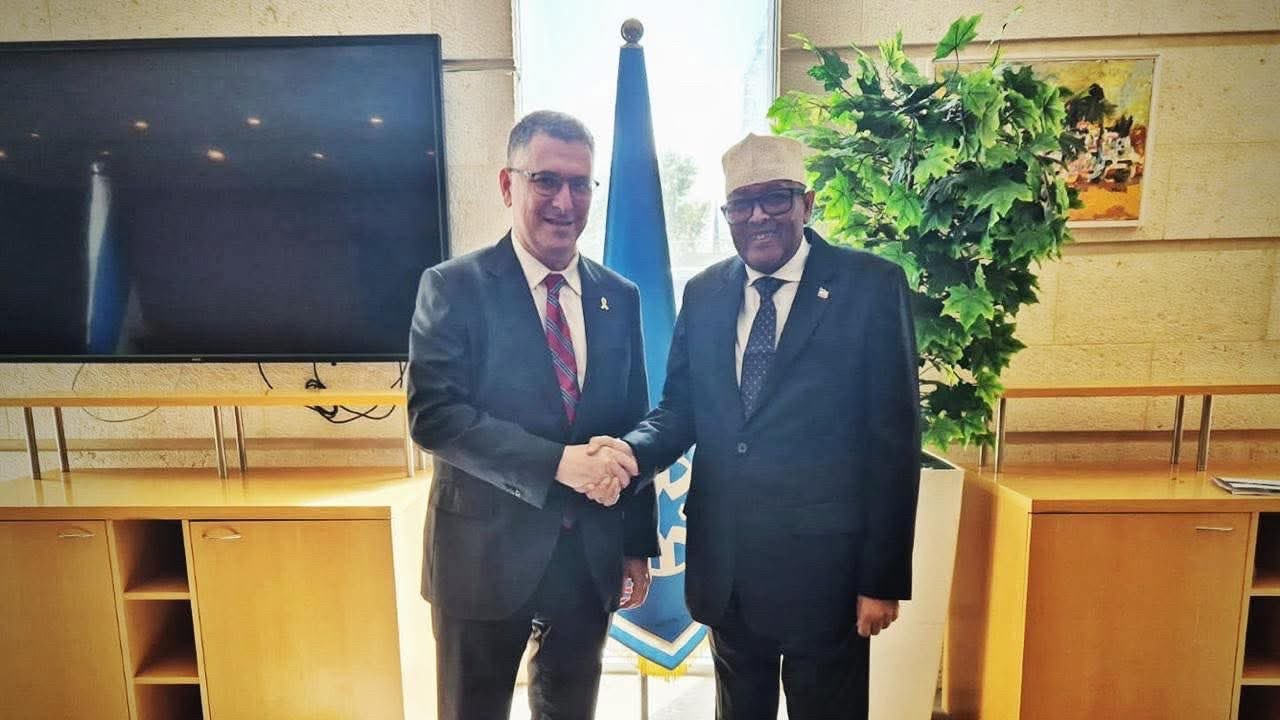
In a significant diplomatic development, Israeli Foreign Minister Gideon Saar embarked on an official visit to Somaliland on Tuesday, marking the first high-level engagement since Israel’s formal recognition of the breakaway Somali region’s sovereignty in December. Saar was photographed in meetings with Somaliland President Abdirahman Mohamed Abdullahi, with plans for a joint press conference at the presidential palace in Hargeisa later in the day.
According to diplomatic sources speaking to i24 News, the visit aims to advance substantive political and strategic cooperation between Israel and Somaliland. While Israel’s foreign ministry has yet to officially comment on the trip, the engagement represents a concrete step following the December 26 recognition that made Israel the first country to formally acknowledge Somaliland’s sovereignty.
The recognition sparked immediate protests in Somaliland, with demonstrations in Boroma featuring Palestinian flags and pro-Palestine chants. Prior to the official recognition, reports had circulated about Somaliland potentially hosting an Israeli military base in exchange for diplomatic recognition and investments.
The geopolitical implications extend beyond bilateral relations. Analysis from the Atlantic Council had previously argued for Israel-Somaliland recognition, citing strategic opportunities for both Israel and the United States in addressing security concerns in shipping corridors where approximately one-third of global commerce passes. The region faces threats from piracy, weapon smuggling, and terrorist groups including al-Shabab and the Houthis.
Regional dynamics continue to evolve, with social media accounts linked to the United Arab Emirates suggesting Abu Dhabi—along with India, Ethiopia, and Kenya—might follow Israel’s lead in recognizing Somaliland. However, an Indian government adviser subsequently denied such plans.
The strategic port of Berbera has emerged as a focal point in regional security architecture. Following a 2017 agreement allowing the UAE to establish a military base there, recent satellite imagery reveals advanced infrastructure development including a modern military port and deep-water docking capabilities. These facilities form part of a network of UAE bases encircling the Gulf of Aden and Red Sea, established with support from Israel and the US.
In a notable policy shift, Somaliland’s president announced in July his administration’s willingness to host a US military base at Berbera while offering access to valuable mineral resources including lithium, representing a strategic gambit to secure broader international recognition.