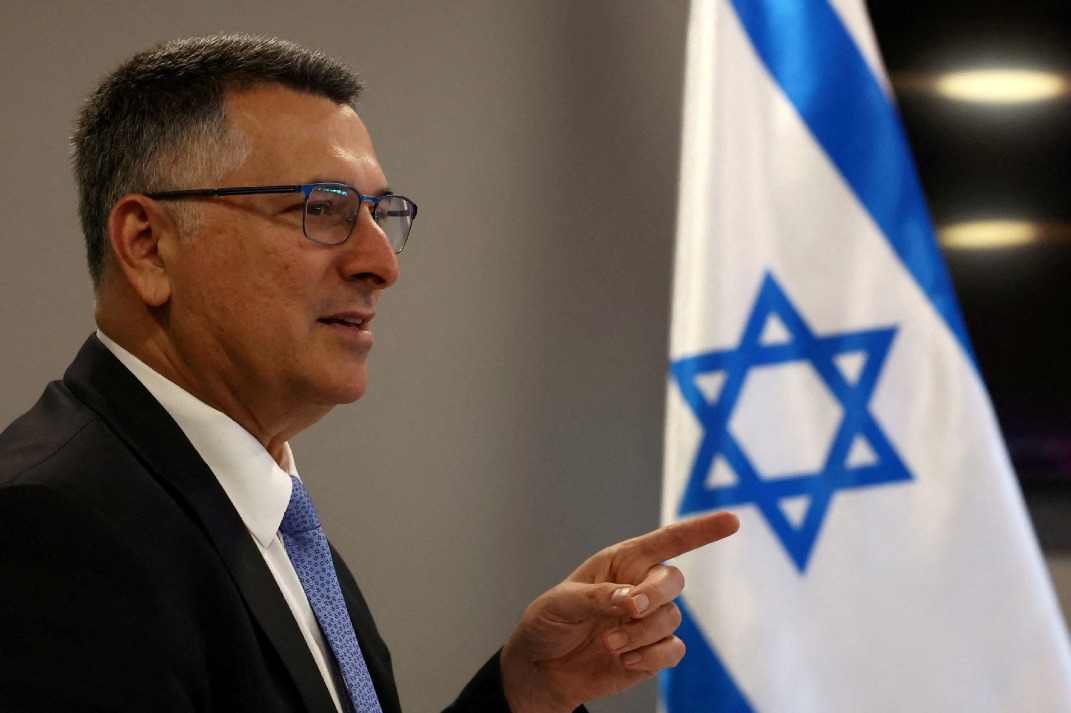
A recent diplomatic visit by Israeli Foreign Minister Gideon Saar to the self-declared republic of Somaliland has ignited a fierce international dispute, drawing vehement condemnation from Somalia and raising concerns among regional powers. The trip, which occurred on January 6th, 2026, follows Israel’s official recognition of Somaliland’s independence on December 26th, 2025—a move not recognized by the vast majority of the international community, including the African Union and the United Nations.
Somalia’s Ministry of Foreign Affairs and International Cooperation issued a forceful statement denouncing the visit as an ‘unauthorized incursion’ and a ‘serious violation of Somalia’s sovereignty, territorial integrity, and political unity.’ The Somali government maintains that Hargeisa, Somaliland’s capital, is an inseparable part of its sovereign territory and that any foreign engagement there without explicit federal consent is ‘illegal, null, and void.’
Regional experts interpret Israel’s overture as a strategic maneuver born of increasing isolation. Abdul Wahed Jalal Nori, a lecturer at the International Islamic University Malaysia, characterized the move as an ‘act of desperation,’ stating, ‘Israel is fueling regional resentment and diplomatic backlash. This move reinforces perceptions that Israel is willing to deepen geopolitical fault lines to secure strategic allies.’
The controversy has escalated to the highest levels of regional governance. The African Union Peace and Security Council convened an emergency virtual session to address the threat to Somalia’s sovereignty. Furthermore, the Organization of Islamic Cooperation (OIC) has announced an extraordinary meeting of its Council of Foreign Ministers in Jeddah, Saudi Arabia, to formulate a unified response and reaffirm support for Somalia’s territorial integrity.
Israeli Foreign Minister Saar, in a post on the social media platform X, defended the visit, asserting that the mutual recognition ‘are not directed against anyone’ and that ‘Only Israel will decide whom it recognizes.’ The development underscores the complex and volatile interplay of diplomacy, sovereignty, and regional power dynamics in the Horn of Africa.