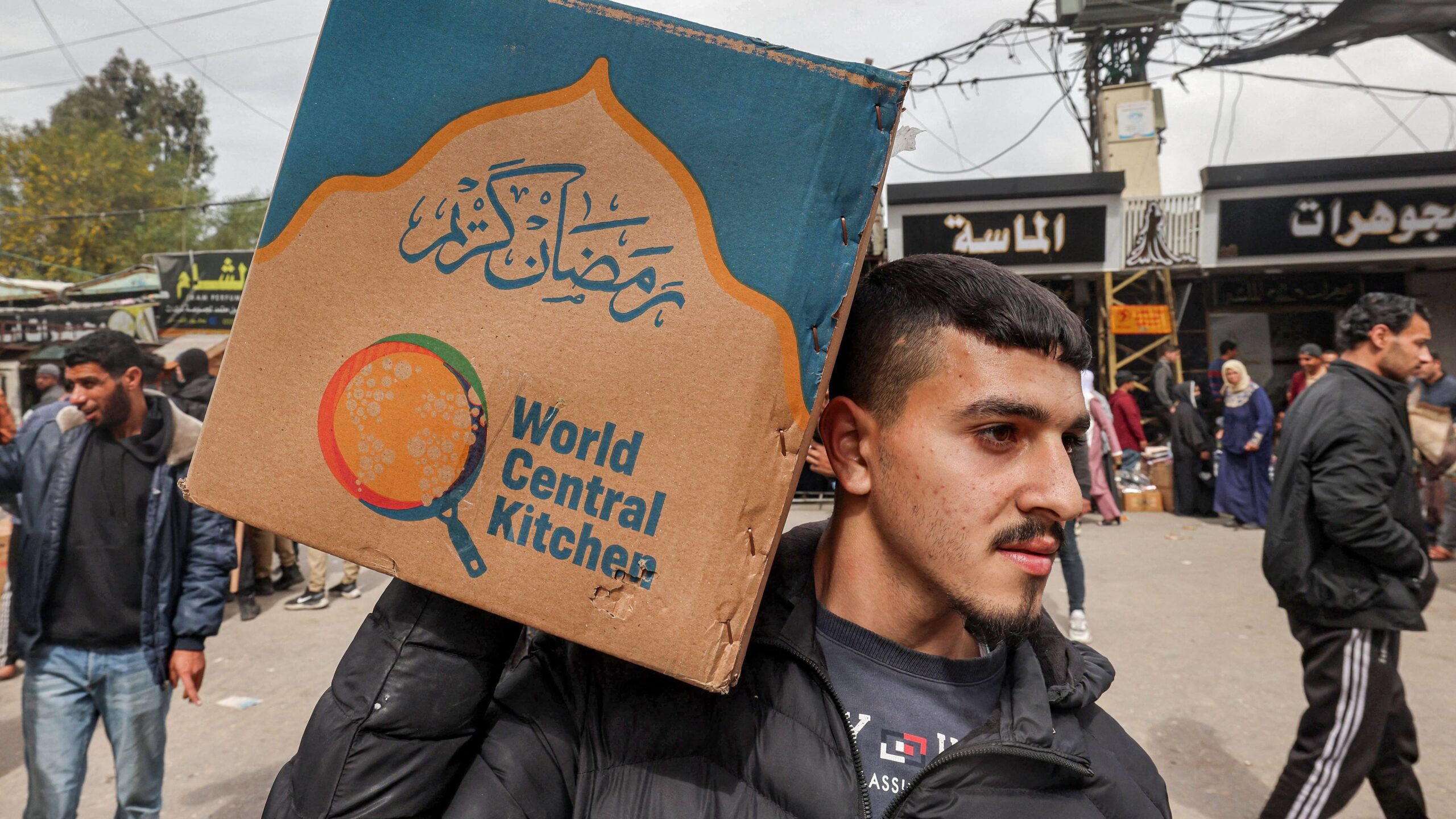
Gaza’s Government Media Office has issued a stark warning that Israeli-imposed restrictions on World Central Kitchen’s humanitarian operations could force the organization to cease its critical food distribution services in the territory. The office emphasized that such a development would produce severe humanitarian consequences for the war-ravaged population.
According to Ismail Ibrahim al-Thawabta, the office’s director general, Israeli authorities have dramatically reduced the number of trucks permitted to deliver food supplies from 25 to just five vehicles daily. This drastic reduction has severely compromised WCK’s operational capacity and jeopardizes the continuity of its essential nutrition services that sustain thousands of Gaza residents each day.
Thawabta further reported that pressure is being applied to compel WCK to source raw materials from within Israel, fundamentally altering established supply routes and procedures. This strategic shift introduces additional logistical complications and increased operational costs compared to previous humanitarian delivery mechanisms.
‘The Gaza Strip faces indicators of a worsening humanitarian crisis if restrictions on aid continue,’ stated the Government Media Office, holding ‘the occupying power’ responsible for limiting humanitarian supplies in violation of international humanitarian law.
While WCK confirmed it continues providing humanitarian assistance in Gaza, the organization acknowledged it cannot sustain operations indefinitely without consistent and reliable aid flow. ‘We are constructively working with all parties involved to resolve this supply chain issue,’ the organization stated, emphasizing the need for immediate, regular humanitarian access from Egypt into Gaza.
The nonprofit has become one of Gaza’s most essential relief providers, accounting for over 60% of all NGO-delivered humanitarian assistance. WCK reached the significant milestone of distributing one million hot meals daily in February, with total meal deliveries exceeding 272 million since the conflict began in 2023. Their work remains particularly crucial amid worsening food insecurity and malnutrition resulting from Israel’s blockade on relief supplies.
This development follows the April 2024 incident where Israeli military actions killed WCK’s team in Gaza, temporarily suspending the organization’s operations and highlighting the persistent challenges faced by humanitarian workers in the region.