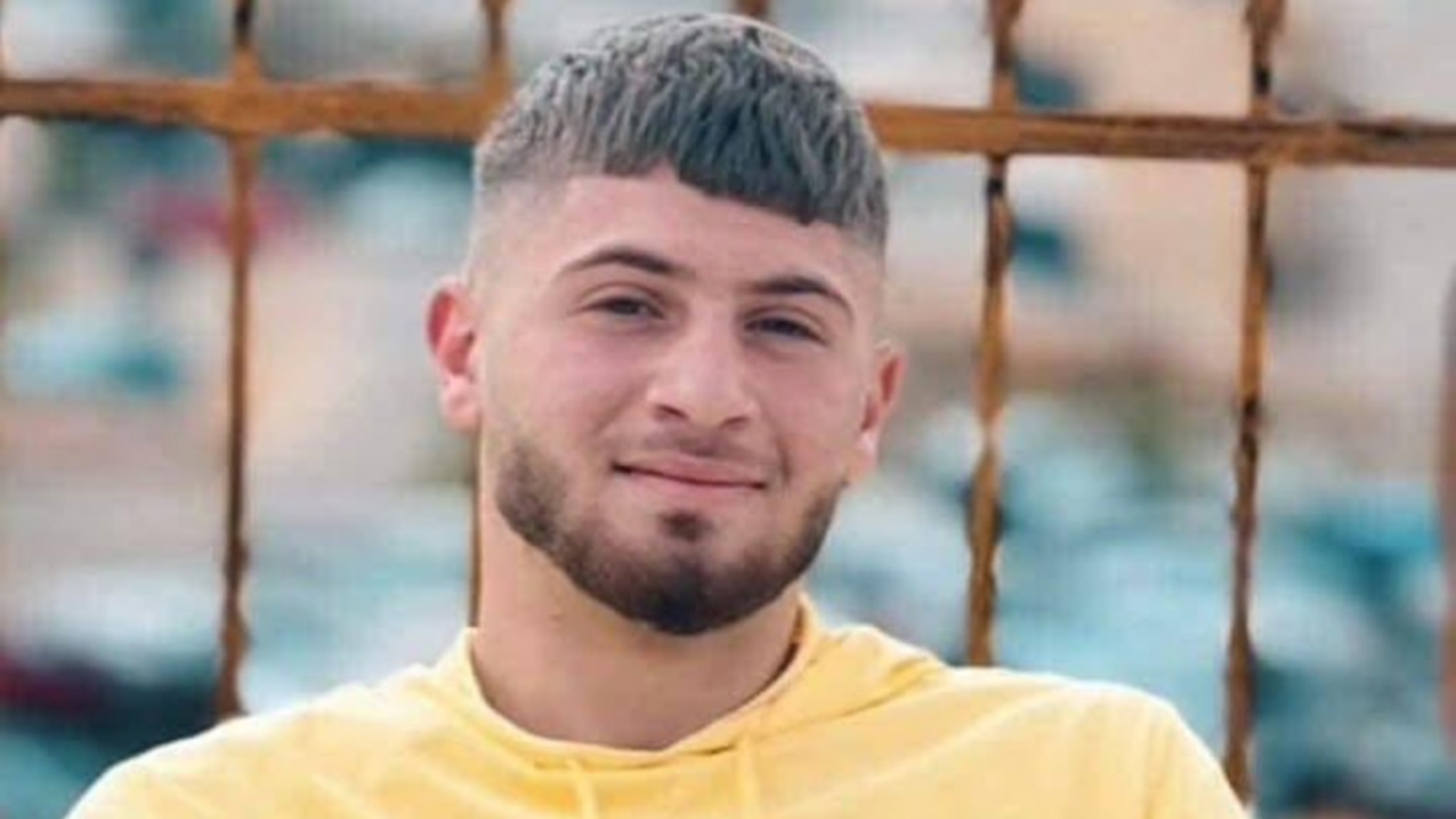
A controversial ruling by an Israeli court has ignited widespread condemnation after it terminated the investigation into the death of Walid Ahmad, a 17-year-old Palestinian who perished in custody in March 2025. The teenager, detained six months prior for allegedly throwing stones in the occupied West Bank, died following a significant deterioration in his health, with evidence pointing to severe weight loss and infection.
Judge Ehud Kaplan presided over the decision to close the case, asserting that no direct causal link could be established between the documented physical decline and the immediate cause of death. The ruling, previously under a gag order, became public knowledge on Tuesday, revealing a legal stance that human rights advocates describe as dangerously narrow.
Human rights lawyer Nadia Dakka, who has meticulously followed the proceedings, criticized the judicial outcome as emblematic of a system ill-equipped to address systemic institutional failures. ‘There are clear indications that he died as a result of starvation, yet the court’s discussion was reductively focused on whether starvation was the direct, proximate cause,’ Dakka stated in an interview with Middle East Eye, highlighting the inherent challenge in attributing criminal responsibility in environments of pervasive neglect.
Testimonies gathered by Defence for Children International depict a harrowing final moments for Ahmad. Fellow detainees reported the teenager collapsing from dizziness on March 22, 2025. Their pleas for assistance were allegedly ignored by guards, forcing them to carry Ahmad to a yard gate before he was finally taken away. His detention was further marred by denial of access to legal counsel and family visits.
This incident is not isolated. According to Physicians for Human Rights-Israel (PHRI), at least 94 Palestinians have died in Israeli custody between October 2023 and August 2025, with many fatalities linked to severe medical neglect, physical abuse, and significant health deterioration. Naji Abbas, director of PHRI’s Prisoners and Detainees Department, confirmed a drastic decline in food quality post-October 2023, describing it as a ‘complete change’ rather than a minor deterioration. In some facilities, daily caloric intake reportedly plummeted below 1,200 calories—a stark contrast to the World Health Organisation’s baseline of 2,100 calories for maintaining health in emergency settings.
Dakka and other activists assert that this caloric reduction is part of a declared policy of deterrence. ‘Harsh prison conditions are intended to make potential detainees think twice,’ she explained. This policy is documented through prisoner testimonies, submitted menus, and medical records showing drastic weight loss, with some prisoners losing over 20 kilograms within a year.
The systemic pressure extends beyond prison walls. The Palestinian Prisoners’ Society reports intensified measures against prisoners released via exchange deals, including repeated re-arrests and field interrogations. Approximately 100 such individuals have been re-detained, some multiple times, under military orders that expand authorities’ power to summon and arrest.
The UN’s special rapporteur on Palestine, Francesca Albanese, recently warned in a report that torture in Israel has become ‘state doctrine,’ creating a ‘torturous environment’ that erodes human dignity. This climate has reportedly worsened since National Security Minister Itamar Ben Gvir took office in 2022, fostering a more punitive penal environment characterized by medical neglect, poor hygiene, and overcrowding.
The Sde Teiman facility, where leaked footage previously showed soldiers allegedly raping a detainee, remains a point of contention. Despite sparking investigations, military prosecutors dropped key charges against several soldiers in March 2026, citing evidence handling issues.
Dakka further illustrated the disparity in treatment by recalling an incident during the Iran conflict sirens, where Israeli personnel were instructed to seek shelter while Palestinian detainees were left exposed in their cells. This incident underscores a broader reality where detainee safety is consistently treated as secondary, even during direct security threats, reflecting a deep-seated systemic bias and a culture of impunity.