A prominent Israeli geopolitical commentator has posited that the ongoing military confrontation between the US-Israel alliance and Iran may fundamentally dismantle the Middle East’s political architecture, potentially erasing the century-old regional order established following World War I.
Meir Swissa, writing for the Israeli publication Yedioth Ahronot, characterized the conflict as a pivotal turning point that extends beyond mere military engagement. He contends this confrontation could ultimately nullify the Sykes-Picot Agreement of 1916 – the secret British-French accord that arbitrarily divided the collapsed Ottoman Empire’s territories into modern nation-states based on Western spheres of influence rather than indigenous socio-political structures.
The commentary suggests the weakening of Iran’s regional network through allied movements and governments could expose the fragility of Tehran’s Shia axis across the region. Swissa describes a paradoxical situation where Israel effectively acts on behalf of Sunni Arab interests by confronting Iranian expansion, with some Arab states quietly benefiting from diminished Iranian power despite their public reluctance to engage directly.
According to this analysis, the degradation of Iran’s military proxies could trigger a regression to pre-Westphalian political models dominated by tribal, clan-based, and local emirate structures rather than modern nation-states. Swissa further speculates that Kurdish groups might emerge as significant actors in this geopolitical transformation, potentially leading to entirely new regional arrangements.
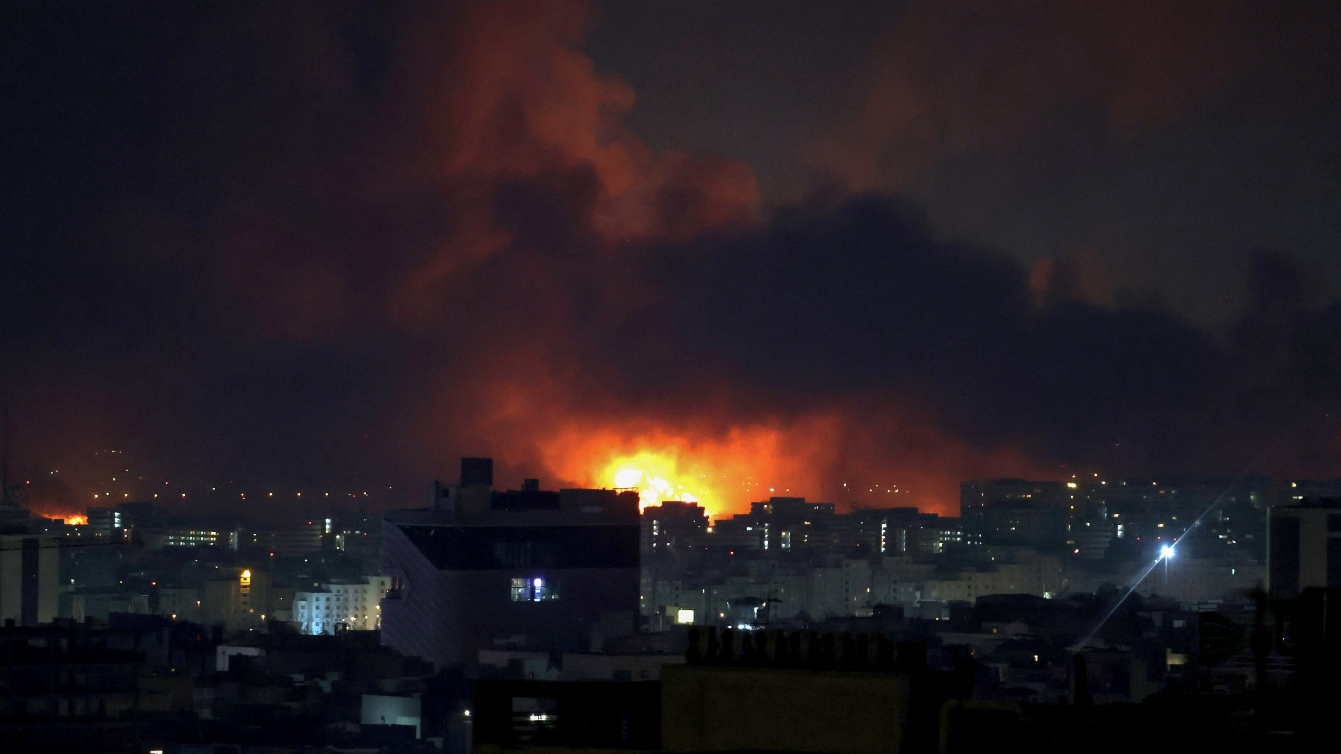
The assessment references previous warnings from former US special envoy Tom Barrack, who in August 2025 indicated Israel’s diminishing commitment to maintaining Sykes-Picot established borders and potential ambitions toward Lebanon and Syria. Current escalations – including joint US-Israeli attacks eliminating Iranian leadership, ballistic missile deployments, strikes in Lebanon’s Bekaa Valley, and humanitarian crises with approximately 500,000 displaced persons – appear to be accelerating this geopolitical unraveling.
This analysis emerges against a backdrop of extreme regional tension following the targeted killing of Ayatollah Ali Khamenei and other senior Iranian leaders, with President Trump demanding Iran’s unconditional surrender while NATO enhances its ballistic missile defenses following incidents near Turkey.