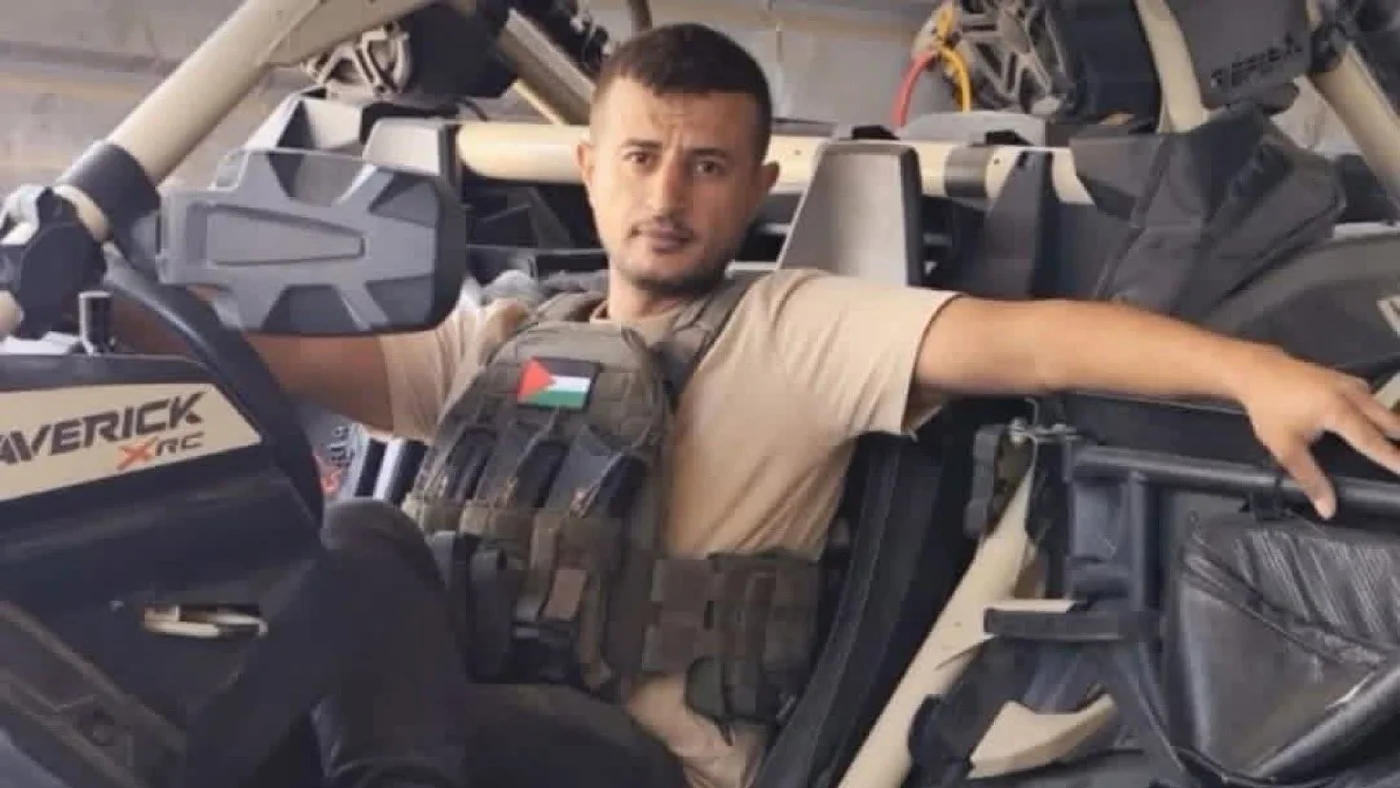
Yasser Abu Shabab, the most-wanted Hamas target and leader of the controversial Popular Forces militia, was reportedly killed in Gaza on Thursday amid conflicting accounts surrounding his death. Multiple Israeli media outlets confirmed the demise of the notorious figure, though precise details regarding the perpetrators and methodology remain undisclosed.
The incident allegedly occurred in Rafah, a southern Gaza region currently under comprehensive Israeli military control. Abu Shabab had maintained extensive collaboration with Israeli forces throughout the two-year conflict, engaging in activities that included humanitarian aid looting, civilian kidnappings, and targeted operations against Hamas personnel.
Israeli Channel 12 reported that Abu Shabab was transported to Soroka Hospital following the attack but was declared dead upon arrival—a claim subsequently denied by hospital authorities. Prominent Israeli political commentator Amit Segal characterized the elimination as a “bad development for Israel,” highlighting the strategic complications arising from the death of a key collaborator.
Following news of his death, Palestinian crowds flooded Gaza streets in spontaneous celebration, distributing sweets and firing celebratory gunshots into the air. Hamas security forces had previously vowed to track down the militia leader during the ongoing conflict.
The Popular Forces group, which Abu Shabab led, has faced condemnation from multiple Palestinian factions for its traitorous activities, including coordinated attacks on civilians, systematic aid diversion, and alleged connections to both Israeli forces and the Islamic State organization. While Abu Shabab publicly framed his militia as a legitimate opposition movement to Hamas governance, internal United Nations reports from 2024 identified the group as “the most influential stakeholders behind the systematic and massive looting of convoys.”
Israeli Prime Minister Benjamin Netanyahu had previously acknowledged providing weaponry to Abu Shabab’s forces. The militia enjoyed unprecedented access to humanitarian resources in areas under its control—primarily through systematic theft—while the broader Gaza population faced severe starvation conditions.
The development occurs against the backdrop of a nominally agreed ceasefire that has witnessed nearly 600 violations by Israeli forces, resulting in over 360 fatalities and 900 injuries since October. Israel continues to block patient transit through the Rafah crossing with Egypt and restricts aid deliveries to approximately 200 trucks daily, significantly below the agreed 600-truck threshold.