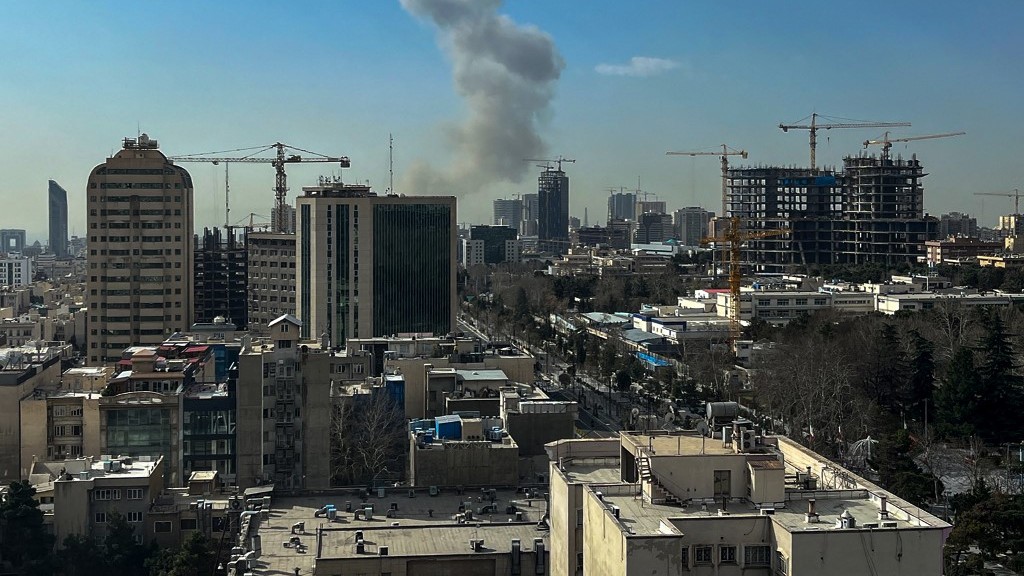
A significant military operation conducted by the United States and Israel against Iran has triggered a dangerous escalation in the Middle East, with Tehran retaliating by targeting American assets across multiple Gulf nations. The long-anticipated offensive has plunged the region into a state of high alert, drawing varied international responses and raising concerns about broader regional instability.
Several Gulf Cooperation Council countries, including Kuwait, UAE, Bahrain, Qatar, and Saudi Arabia, reported incoming missile attacks on Saturday, prompting emergency alerts and shelter advisories for citizens. Qatar’s defense ministry confirmed successfully intercepting multiple projectiles aimed at its territory, while the UAE characterized the violations as sovereign infringements requiring appropriate response measures.
International reactions reflect deepening concerns about regional security implications. The United Kingdom emphasized its preference for diplomatic resolutions while reinforcing defensive capabilities to protect national interests and ensure citizen safety. British officials explicitly stated their opposition to further escalation into expanded regional warfare.
Lebanon faces particular vulnerability given Hezbollah’s significant presence and alliance with Iran. Prime Minister Nawaf Salam urgently appealed for national unity and caution, explicitly rejecting external pressures to involve Lebanon in military confrontations. The scheduled address by Hezbollah leadership Naim Qassem heightened anticipation about the group’s potential response strategy.
Commercial aviation experienced immediate disruptions as Air France cancelled all flights to Tel Aviv and Beirut indefinitely, with Turkish Airlines suspending operations to ten Middle Eastern destinations through varying timelines. These precautionary measures reflect industry-wide security assessments following the outbreak of hostilities.
The European Union, through Foreign Affairs Representative Kaja Kallas, acknowledged the perilous situation while reaffirming commitment to diplomatic channels and regional coordination with Arab partners. EU naval forces remain on high alert in the Red Sea to ensure maritime security, with consular services actively facilitating citizen evacuations and withdrawing non-essential personnel from affected areas.
This developing situation continues to evolve with potential implications for global energy markets, regional alliances, and international security frameworks. Further updates are expected as military and diplomatic maneuvers progress.