Israeli journalists attempting to travel to Hargeisa this week encountered an immediate diplomatic reality check: international airlines required visas issued by Somalia’s Mogadishu government despite Israel’s recent recognition of breakaway Somaliland. This practical hurdle underscores the broader geopolitical tensions emerging from Prime Minister Benjamin Netanyahu’s controversial decision.
The recognition has drawn swift condemnation across the region, with Turkey leading criticism alongside numerous Arab nations. The United Arab Emirates stands as the notable exception in regional opposition. This development has significantly intensified the existing Turkish-Israeli rivalry, particularly in the strategically vital Horn of Africa and Red Sea regions.
Regional experts present divergent interpretations of Israel’s strategic motives. Some analysts suggest the move facilitates potential Palestinian relocation from Gaza to the Horn of Africa, while others emphasize the strategic imperative to counter threats from Yemen’s Houthi movement. Kani Torun, former ambassador and current Turkish parliamentarian, notes Somaliland’s geographic position offers Israel military access to the Bab al-Mandeb Strait and influence in East Africa.
Amichai Stein, an Israeli regional affairs specialist, confirms this strategic calculus, highlighting Israel’s need to counter Houthi threats and navigate Suez Canal disruptions. Additionally, the move serves to balance Turkey’s substantial influence in Somalia, where Ankara has established military bases, infrastructure projects, and its largest global embassy.
Turkish-Israeli relations have deteriorated precipitously since 2023, with Ankara accusing Israel of genocide in Gaza and implementing trade embargoes. The relationship further strained following Syria’s regime collapse and Israel’s support for Syrian decentralization—a position contradicting Turkish interests regarding Kurdish control.
Abdiwahab Sheikh Abdisamad of the AfroAsia Institute observes that Israel’s recognition directly challenges Turkey’s geopolitical investments in Somalia. Reports indicate Turkey and Somalia had previously planned a military base in Las Qoray, a port with Red Sea access, though the project remains unrealized.
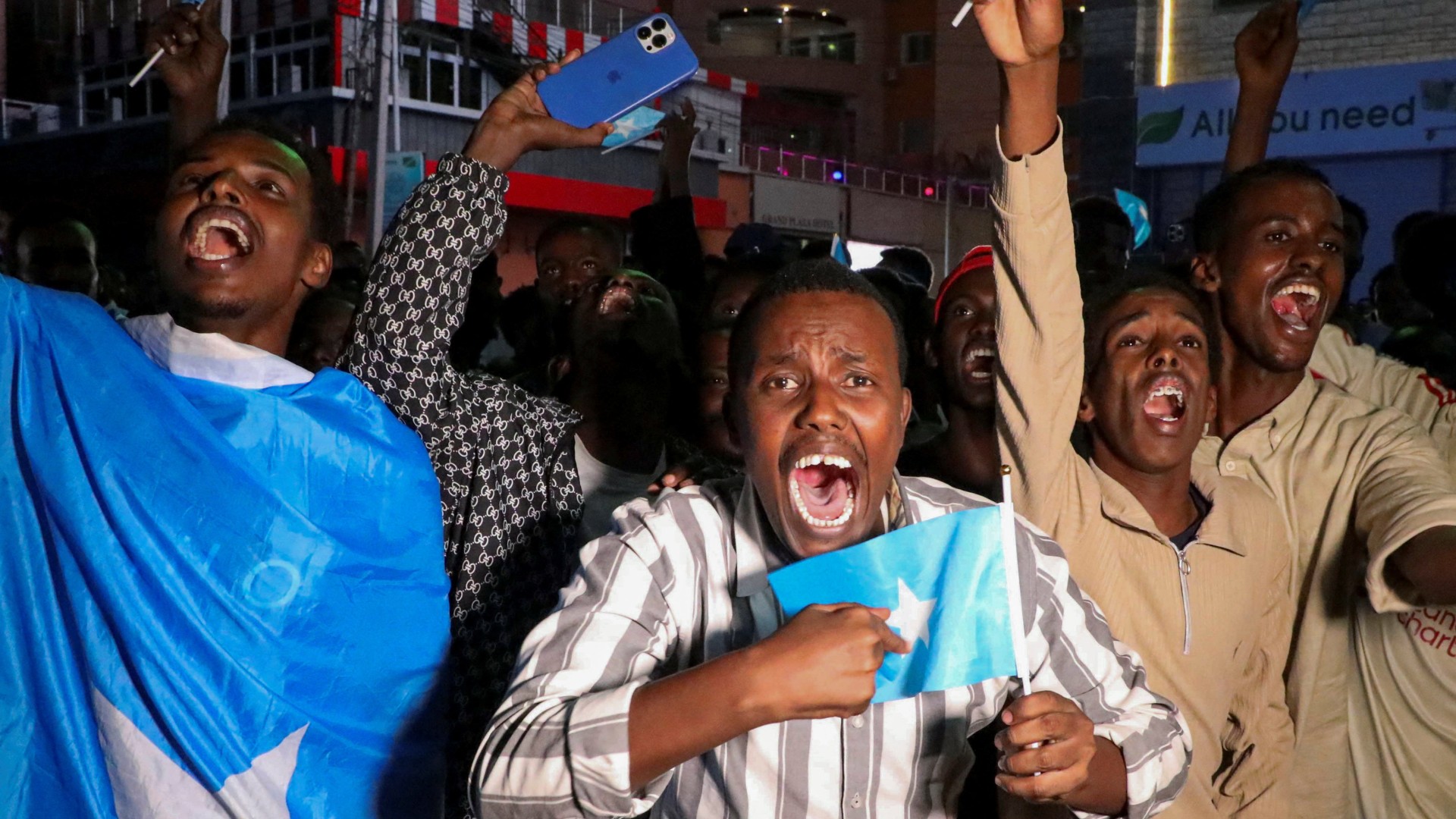
The situation exposes internal Somali tensions, with federal states like Puntland and Jubaland severing ties with Mogadishu, creating opportunities for external manipulation. However, experts note Israel’s move lacks broader international support, with Torun referencing Ethiopia’s failed similar attempt that collapsed under regional pressure. The ultimate success of Israel’s recognition may hinge on Mogadishu’s ability to unify Somalia’s fractured political landscape.