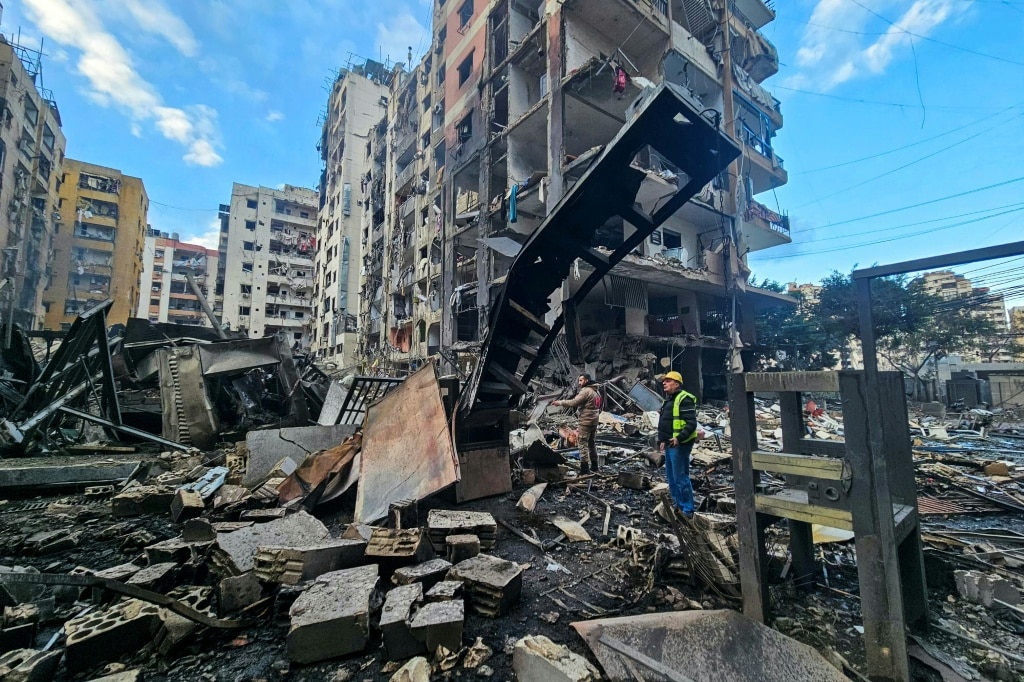
The Middle East conflict escalated dramatically on Tuesday as Israeli forces launched coordinated strikes against Tehran and Beirut, simultaneously drawing Iraq deeper into a widening regional war that has triggered global economic disruption and massive civilian displacement.
Israeli military operations targeted what officials described as ‘terror regime infrastructure’ in the Iranian capital, which has endured near-daily bombardment since the joint U.S.-Israeli initiation of hostilities on February 28. Concurrently, dawn strikes hit a residential building in Beirut’s southern suburbs, a known stronghold of the Iranian-backed Hezbollah militant group.
The conflict, now entering its third week, has resulted in hundreds of casualties and expanded to include Iranian retaliatory strikes against Gulf nations. Lebanese authorities report over one million registered displaced persons since March 2, with approximately 130,000 seeking refuge in more than 600 collective shelters.
Iraq’s deepening involvement became evident as drone and rocket attacks targeted the U.S. embassy complex in Baghdad’s fortified Green Zone early Tuesday. Additional strikes killed four individuals at a residence reportedly hosting Iranian advisors, highlighting the nation’s continued role as a proxy battleground between U.S. and Iranian interests.
The economic repercussions have been severe, with global oil prices surging over 40% since the conflict’s inception. The strategic Strait of Hormuz, through which approximately one-fifth of global crude oil passes, has experienced significant traffic disruption due to repeated attacks on oil infrastructure, including major fields in the United Arab Emirates and southern Iraq.
Australia’s central bank responded to the crisis by raising key interest rates Tuesday, citing ‘sharply higher fuel prices’ directly attributable to the conflict.
Diplomatic tensions intensified as several nations distanced themselves from U.S. President Donald Trump’s demand for allied participation in securing the Strait of Hormuz. British Prime Minister Keir Starmer indicated London was developing alternative plans with allies but explicitly ruled out NATO involvement, a position echoed by Germany, Japan, Australia, and several European Union members.
Western allies including Canada, France, Germany, Italy, and the United Kingdom have concurrently urged Israeli restraint in Lebanon, where limited ground operations against Hezbollah have been announced. Israeli President Isaac Herzog countered these appeals, calling for European support in ‘any effort to eradicate Hezbollah now.’
Iranian Foreign Minister Abbas Araghchi maintained a defiant stance, asserting Tehran’s readiness to ‘continue the war wherever it may lead’ despite significant casualties and infrastructure damage. The UN refugee agency estimates up to 3.2 million people have been displaced within Iran, where security forces previously suppressed domestic protests with lethal force.