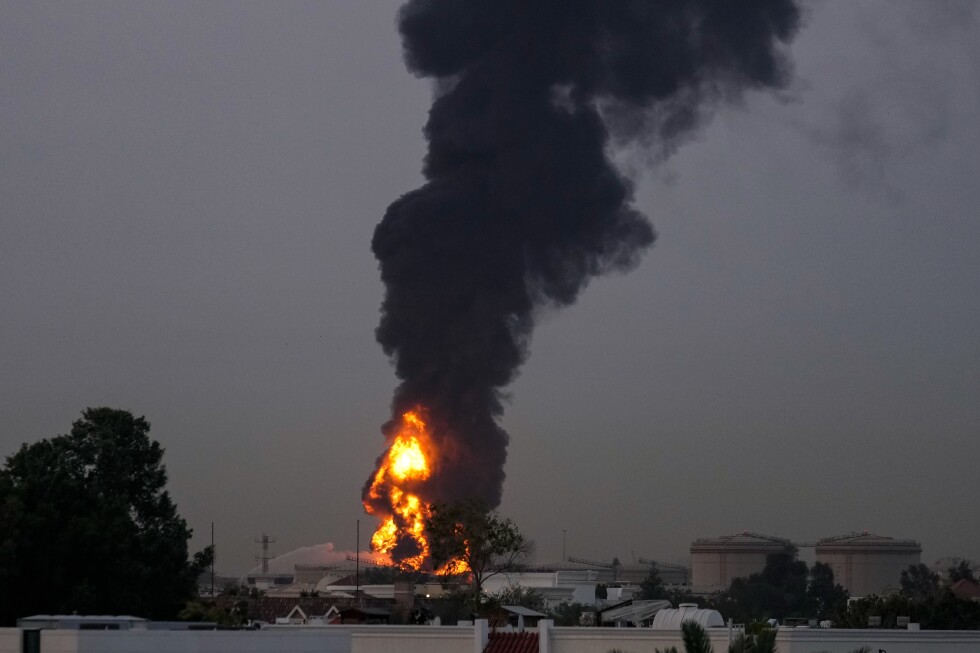
The Middle East conflict intensified across multiple theaters on Monday, with escalating military actions creating ripple effects across global markets and diplomatic channels. United States and Israeli forces conducted coordinated strikes against military installations in Tehran, while Israel simultaneously escalated its campaign against Iran-backed Hezbollah militants in Lebanon.
Iran retaliated with precision drone strikes that temporarily shut down Dubai International Airport, a critical global aviation hub, and targeted energy infrastructure across the Gulf region. These developments have dramatically heightened concerns about a potential global energy crisis, particularly regarding the strategic Strait of Hormuz—a vital maritime passageway typically handling 20% of global oil shipments.
The Iranian offensive against commercial vessels transiting the strait has reduced shipping to a mere trickle, creating severe disruptions to global energy supplies. Brent crude prices surged past $100 per barrel, maintaining elevated levels that threaten broader economic stability. President Donald Trump confirmed he has solicited naval support from approximately seven nations to secure the strategic waterway, though no commitments have materialized thus far.
Despite the heightened tensions, limited maritime traffic continued with two Indian-flagged vessels and one Pakistani-flagged ship successfully navigating the strait over the weekend according to maritime authorities.
Israeli operations expanded significantly with pre-dawn strikes on Beirut targeting Hezbollah infrastructure, accompanied by mass evacuation orders affecting over 800,000 Lebanese civilians. Lebanese authorities reported seven fatalities in southern Lebanon, including two paramedics responding to earlier strikes. The conflict has claimed approximately 850 lives in Lebanon to date according to official reports.
Simultaneously, Israel conducted fresh strikes on Tehran, with explosions reported throughout the Iranian capital and surrounding areas. Iranian Red Crescent officials placed the death toll in Iran at over 1,300, while Israeli military spokesperson Lt. Col. Nadav Shoshani claimed destruction of 85% of Iran’s air defenses and 70% of its missile launchers through approximately 7,600 strikes.
The economic consequences continue to mount with rising energy and fertilizer prices threatening food security in vulnerable nations and complicating central banks’ efforts to control inflation. President Trump warned that allied nations refusing participation in strait security operations would be remembered, while suggesting a potential postponement of his planned China visit to pressure Beijing into supporting navigation freedom efforts.
International response remains fragmented with the European Union considering expansion of naval missions to include Hormuz security, though Italian Foreign Minister Antonio Tajani expressed reservations about mandate changes. Japan and Australia both confirmed they haven’t received formal requests for assistance and have no current plans to intervene. British Prime Minister Keir Starmer indicated potential deployment of mine-hunting drones while explicitly stating Britain “will not be drawn into the wider war.”