Arab and Muslim-majority nations issued a stern condemnation of Israel’s repeated breaches of the Gaza ceasefire agreement on Sunday, following fresh military strikes that resulted in 31 fatalities over the weekend. The coordinated diplomatic response came as the Rafah border crossing with Egypt resumed operations after nearly two years of closure, creating a complex humanitarian corridor under stringent restrictions.
In a joint statement, foreign ministers from Saudi Arabia, Jordan, the United Arab Emirates, Qatar, Egypt, Indonesia, Pakistan, and Turkiye characterized Israel’s actions as “a direct threat to the political process” that jeopardizes regional stability efforts. The ministers emphasized that these violations “risk escalating tensions and undermining efforts aimed at consolidating calm” during critical international negotiations to advance the second phase of the truce.
The condemnation follows reports from WAFA news agency indicating that over 500 Palestinians have been killed since the Israel-Hamas ceasefire took effect on October 11. In a particularly tragic incident, medical sources confirmed a three-year-old child died when Israeli naval vessels shelled displacement tents in Khan Younis’ Al-Mawasi area.
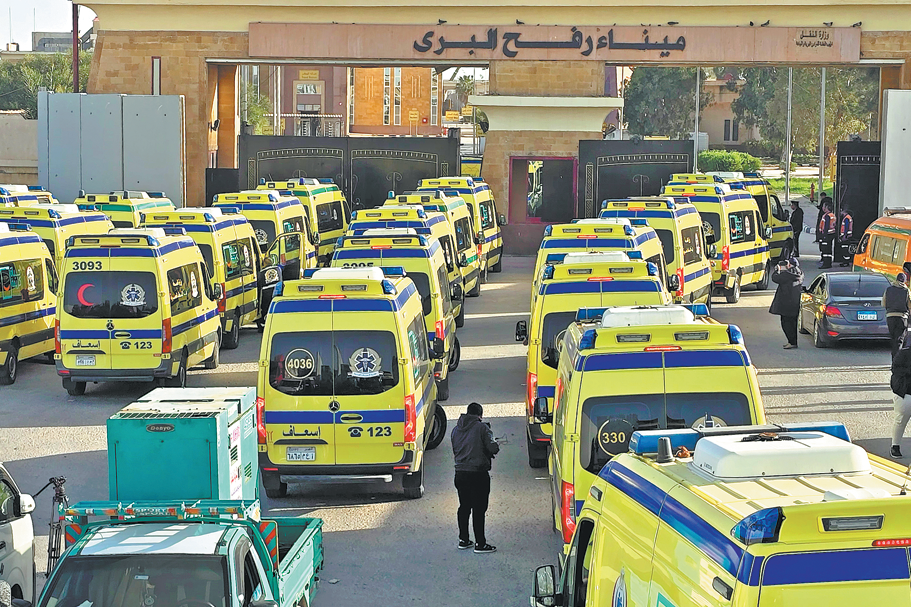
Concurrently, the Rafah crossing reopened under a pilot program that permits only pedestrian movement with Egyptian approval and Israeli security clearance. The Israeli military agency COGAT confirmed the crossing’s limited operation for “testing and assessment purposes,” while reports indicated 150 patients and companions prepared for medical evacuation from Gaza.
European Commissioner for Equality, Preparedness and Crisis Management Hadja Lahbib reiterated that “international humanitarian law must be upheld,” emphasizing the universal protection of civilians. Academic experts like Iyad Eid from the International Islamic University Malaysia noted Israel’s demonstrated pattern of disregarding ceasefire agreements with Palestinians.
The humanitarian situation remains precarious as the National Committee for the Administration of Gaza remains stranded in Cairo due to “technical problems and obstacles,” with members anonymously reporting inadequate headquarters and operational budget shortages hindering their mission to coordinate governmental transitions in Gaza.