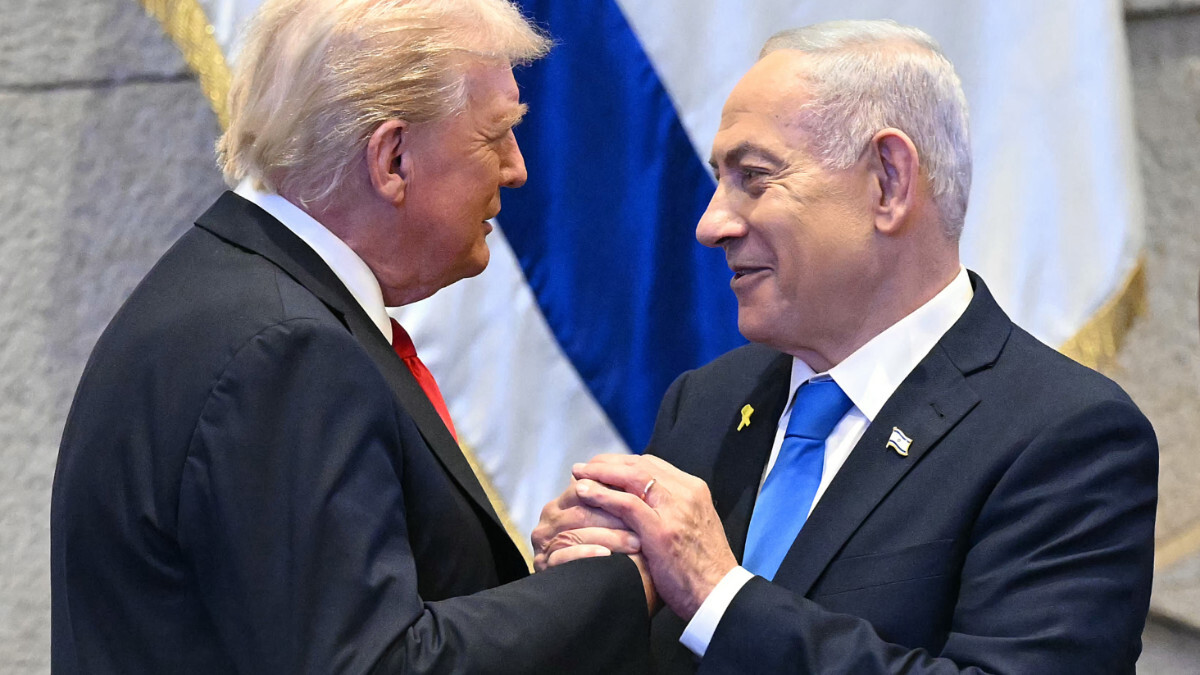
Former President Donald Trump’s recent executive order targeting affiliates of the Muslim Brotherhood has been met with widespread indifference across the Middle East, revealing how regional dynamics have transformed since his first administration. The order, which establishes a review process rather than designating the group as a terrorist organization, drew dismissive responses from Arab officials and Western diplomats who characterized it as largely symbolic.
The most enthusiastic support came from pro-Israel activists in the United States, including commentator Laura Loomer, who expressed disappointment that the measures didn’t go further. This contrast highlights a significant evolution in Middle East priorities since Trump’s first term, with regional powers now focused on different geopolitical concerns.
Experts note that the Muslim Brotherhood, founded in Egypt in the 1920s as an Islamic political movement opposing British colonial rule, has never posed a direct terrorist threat to the United States. Instead, the push for designation appears driven primarily by Israeli security interests. The order specifically targets Brotherhood-affiliated groups in Egypt, Jordan, and Lebanon—countries of particular concern to Israel—while notably excluding NATO ally Turkey where the movement operates legally.
The regional context has shifted dramatically since Trump first considered the designation in 2017. Then, the Middle East was grappling with the aftermath of the Arab Spring, and Gulf powers were deeply divided over political Islam. Saudi Arabia and the UAE viewed the Muslim Brotherhood as an existential threat to monarchical rule, leading to a blockade of Qatar that Trump endorsed. Today, these nations have largely reconciled through the 2021 Al Ula agreement, and fighting has diminished in proxy conflicts in Libya and Yemen.
Current regional concerns center on Israel’s war in Gaza, Iran’s influence, and the ongoing conflict in Sudan, where new alliance patterns have emerged. Saudi Arabia now cooperates with Qatar and Turkey in supporting the Sudanese Armed Forces, while the UAE backs the rival Rapid Support Forces. The Emirates quickly leveraged Trump’s executive order to discredit the Sudanese military by alleging Muslim Brotherhood influence within its ranks.
Analysts conclude that while the order may satisfy Trump’s domestic base and Israeli hardliners, it reflects outdated geopolitical realities in a region that has moved beyond the battles of the past decade.