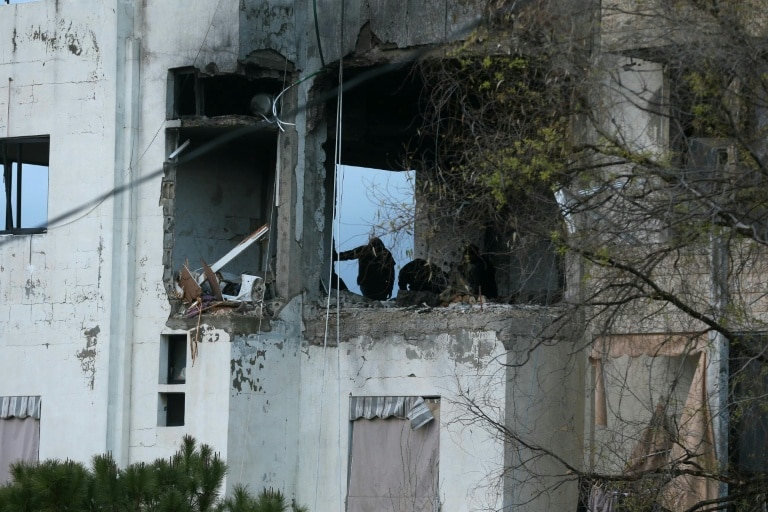
Israeli forces conducted renewed airstrikes targeting Beirut’s southern suburbs late Sunday, marking a significant escalation in the ongoing conflict with Hezbollah. The midnight offensive, audibly confirmed by AFP correspondents in the Lebanese capital, followed earlier evacuation warnings issued by the Israeli military for these specific areas.
The Israeli Defense Forces confirmed via social media channels that the operation specifically targeted ‘Hezbollah terror infrastructure’ within the urban environment. This latest bombardment continues a pattern of intensified strikes that have persisted for approximately two weeks, transforming sections of southern Beirut into scenes of devastation with debris-covered streets and structurally compromised buildings.
The current cycle of violence originated on March 2nd when Hezbollah, operating with Iranian support, initiated attacks against Israel. These actions were characterized as retaliatory measures following the demise of Iranian Supreme Leader Ayatollah Ali Khamenei in strikes jointly conducted by U.S. and Israeli forces. The conflict has since evolved into a broader regional confrontation, with Israel executing both aerial campaigns and ground incursions into Lebanese border territories.
Humanitarian conditions have deteriorated dramatically, with Lebanese authorities reporting approximately 850 fatalities and over 830,000 internally displaced persons. Among these displaced populations, nearly 130,000 individuals are currently housed in collective shelters, while others endure severe weather conditions including driving rain and cold temperatures near Beirut’s coastal areas.
Diplomatic efforts remain stalled despite international intervention attempts. Israeli Foreign Minister Gideon Saar explicitly rejected potential direct negotiations with Lebanese representatives, contrary to earlier indications from Beirut officials regarding delegation preparations. Meanwhile, French President Emmanuel Macron has offered to host potential talks, acknowledging the Lebanese government’s expressed willingness to engage in direct discussions.
The conflict has witnessed significant military exchanges beyond Beirut, with Hezbollah claiming successful attacks on Israeli positions and the deployment of advanced missiles targeting the Palmachim airbase south of Tel Aviv. Israeli forces have concurrently targeted locations across southern and eastern Lebanon, including a residential building in Sidon that resulted in at least one casualty.
Israeli Energy Minister Eli Cohen has further complicated diplomatic prospects by advocating for the cancellation of the US-brokered 2022 maritime border agreement with Lebanon, citing unfulfilled security assurances. This development occurs alongside continued military operations, with Israel reporting the destruction of Hezbollah’s elite Radwan Force command centers in Beirut.