A severe escalation of violence has erupted along the Israel-Lebanon border, resulting in significant casualties and mass displacement. Israeli military operations conducted overnight struck multiple regions across Lebanon, including the southern suburbs of Beirut (Dahiyeh), numerous villages in the south, and the eastern Beqaa Valley. The Lebanese health ministry confirmed a provisional death toll of 31 individuals, with an additional 149 wounded.
The Israeli offensive was characterized as a direct response to a major rocket and drone attack launched by the Lebanese militant group Hezbollah. The group stated its assault was executed ‘in revenge for the blood’ of Iran’s supreme leader, Ali Khamenei, who was reportedly killed in a joint U.S.-Israeli operation in Tehran just days prior.
In the aftermath of the initial bombardments, the Israeli military issued urgent evacuation warnings to residents in over 50 towns and villages across southern and eastern Lebanon. Official communications, disseminated via social media, instructed civilians to immediately abandon their homes and relocate at least 1,000 meters away from their villages into open areas for their safety.
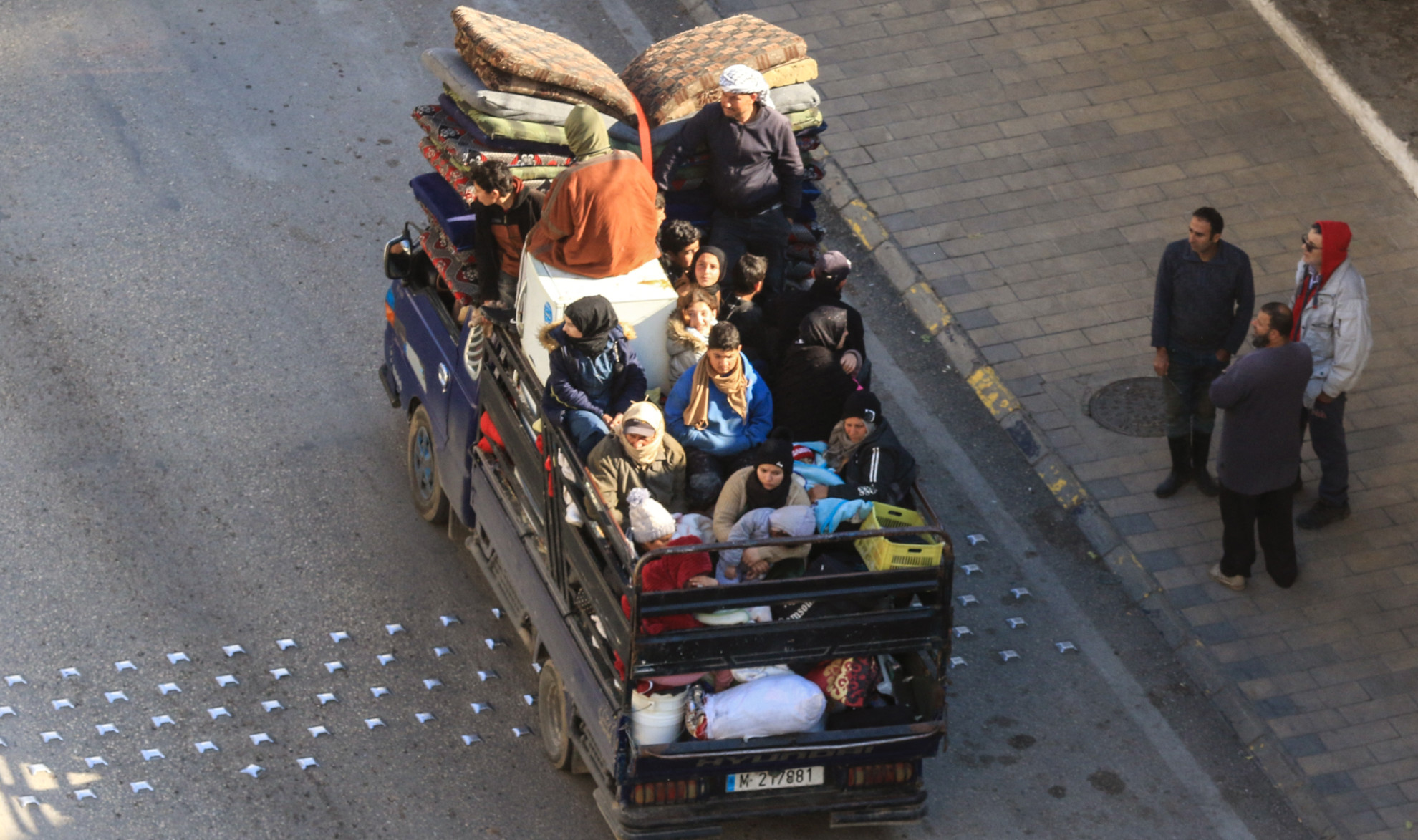
This directive triggered a widespread humanitarian crisis, with highways out of Beirut’s suburbs becoming gridlocked by a mass exodus of vehicles and pedestrians fleeing the conflict zones. Dozens of schools were hastily repurposed as emergency shelters for the displaced. Lebanese media reported scenes of families with no alternatives seeking refuge on the streets of central Beirut and along the seafront.
Israeli Defence Minister Israel Katz issued a stern warning, declaring that Hezbollah ‘will pay dearly for its attacks on Israel’ and explicitly naming the group’s secretary-general, Naim Qassem, as ‘a target to be eliminated.’
This recent flare-up marks the first instance since a 2024 ceasefire that Hezbollah has publicly claimed responsibility for an attack on Israel. The group stated it targeted an Israeli army site south of Haifa using advanced missiles and drone swarms. The Israeli military, however, reported that the projectiles landed in open areas without causing immediate damage or injuries.
The Lebanese government, which has been actively attempting to prevent Hezbollah’s involvement in a broader regional conflict, condemned the rocket fire. Prime Minister Nawaf Salam described the provocation as ‘irresponsible’ and pledged to ‘stop the perpetrators and protect the Lebanese people.’ Meanwhile, Israel has reinforced its military presence along the northern border but stated there are no immediate plans for a ground invasion into Lebanon.