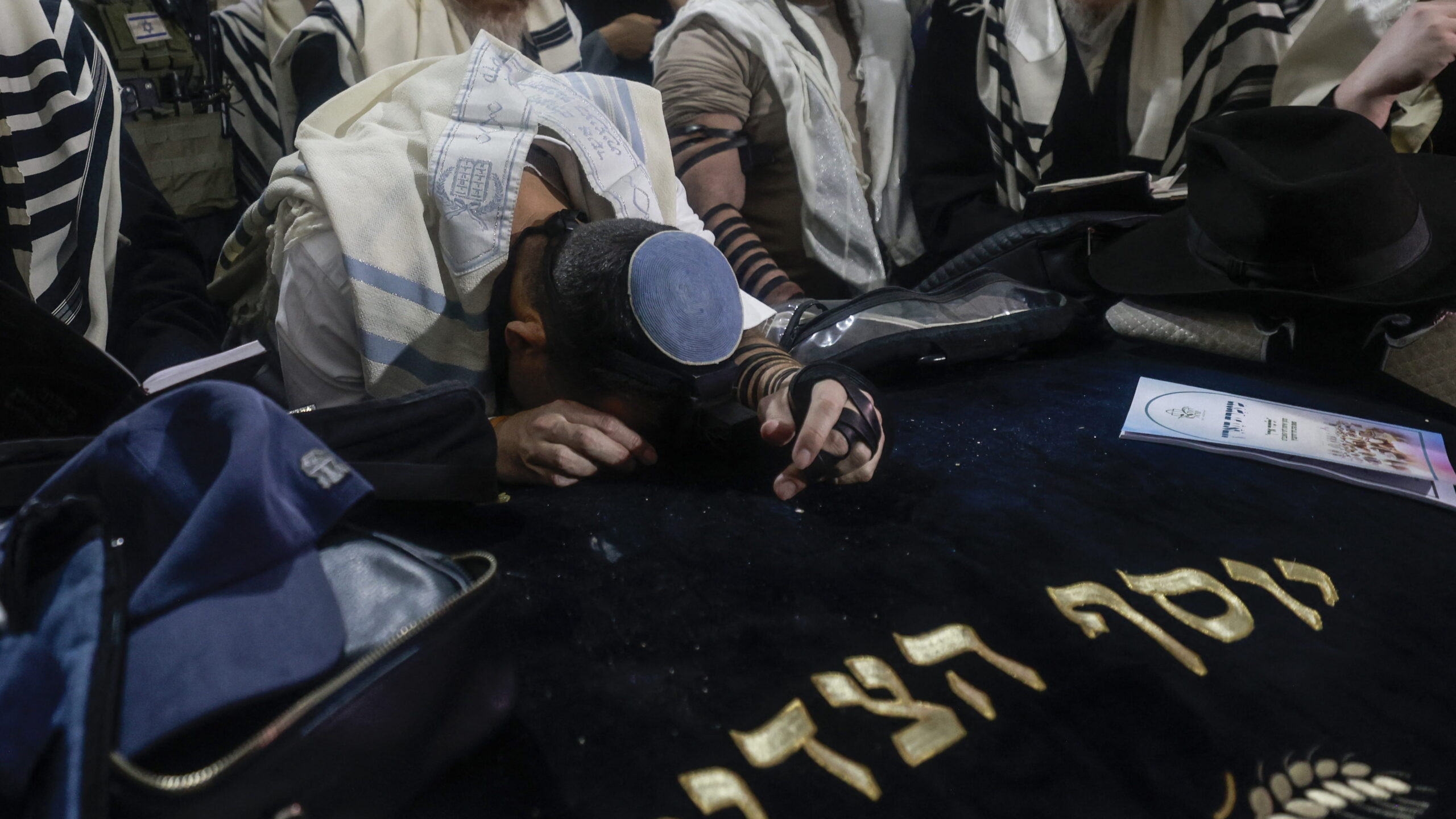
In a significant escalation of military presence in the occupied West Bank, Israeli forces established an extensive security perimeter east of Nablus early Thursday to facilitate a large-scale operation at Joseph’s Tomb. The operation enabled Jewish worshippers to conduct morning prayers at the contested site for the first time since 2000, marking a substantial shift in access policies.
The raid involved participation from members of the Israeli parliament, far-right officials, and settler leaders, all operating under substantial armed protection. This event follows last month’s agreement by Israeli authorities to permit daylight prayers at the location, despite the tomb’s position within an area nominally under Palestinian Authority administrative control.
Eyewitness footage from Amman Street and surrounding eastern neighborhoods documented military personnel expelling journalists from the area and compelling families to evacuate their homes to accommodate the operation. Residential buildings near the tomb were converted into temporary military installations, with sniper positions established on rooftops. Medical teams were systematically denied access to the area during the events.
The historical context reveals deepening tensions surrounding the site. Since October 2023, settler-led incursions have increased in both frequency and scale, with groups entering under religious justification alongside military escort. UN data indicates that settler violence and access restrictions have displaced approximately 2,200 Palestinians from their homes over the past two years, with an additional 6,000 displaced through home demolitions and 40,000 from northern West Bank refugee camps during military operations.
Joseph’s Tomb represents a focal point of Israeli-Palestinian conflict, with both communities maintaining competing historical narratives and religious claims. Israelis venerate the site as the burial place of the Prophet Joseph, a figure significant in both Islamic and Jewish traditions. Palestinians identify it as the tomb of Sheikh Yousef Dweikat, a local cleric from the early 20th century. The site has been a persistent flashpoint since Israel established a yeshiva there in the 1980s, with regular protected settler visits often triggering Palestinian protests that have frequently resulted in lethal military responses.