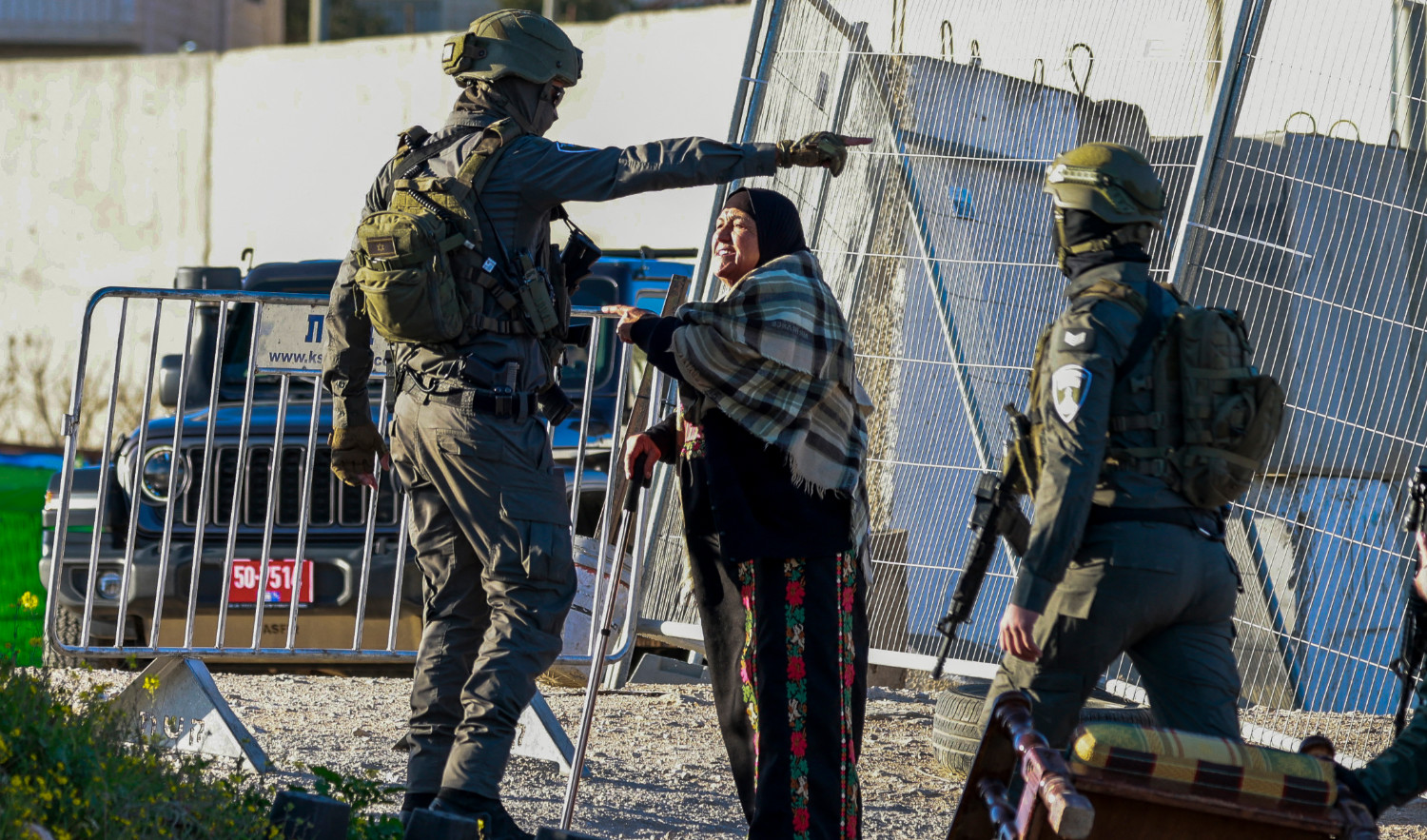
In a significant escalation of movement restrictions, Israeli authorities implemented a comprehensive closure of all crossings and barriers throughout the occupied West Bank and Gaza Strip on Saturday. This security measure coincided with the commencement of joint military operations by Israel and the United States targeting Iranian assets.
The Israeli Coordinator of Government Activities in the Territories (COGAT), the military body governing Palestinian civilian matters, announced the indefinite shutdown of all transit points including the critical Rafah crossing. The directive permits exceptions solely for Palestinians holding pre-approved ‘essential worker permits,’ which would be processed through designated terminals.
Despite COGAT’s assertion that the Gaza closure wouldn’t exacerbate humanitarian conditions, immediate consequences emerged across the territories. In the West Bank, approximately 1,000 barriers and iron gates separating Palestinian communities were sealed, stranding hundreds of travelers. Many were compelled to sleep in vehicles or seek temporary shelter with relatives, while others faced arduous detours that transformed routine 45-minute commutes into multi-hour ordeals.
The Palestinian Education Ministry responded to the mobility crisis by transitioning all academic institutions to remote learning, acknowledging the impossibility of students and educators reaching campuses. Medical services faced severe disruption as ambulance crews experienced significant delays in patient transfers, particularly affecting those requiring dialysis and other critical treatments.
The Karameh border crossing connecting the West Bank with Jordan was similarly shut down, trapping numerous Palestinians including returning Umrah pilgrims. Anas Hreibat from Hebron described his family’s grueling 24-hour wait under difficult conditions with elderly relatives before being granted limited re-entry.
Concurrently, Israeli forces implemented closures at major religious sites including Jerusalem’s Al-Aqsa Mosque and Hebron’s Ibrahimi Mosque, forcibly evacuating worshippers and installing metal barriers—a security protocol previously enacted during June’s conflict with Iran.
According to activist Bashar al-Qaryouti, these measures represent an established Israeli policy of imposing collective punishment through movement restrictions during security emergencies. He warned that prolonged closure could precipitate humanitarian disaster by severing aid and food supplies to vulnerable populations.
In Gaza, the Rafah crossing’s closure—just one month after reopening following a two-year shutdown—further tightened the siege on over two million residents. Ismail al-Thawabta, director of the Gaza Government Media Office, condemned the action as illegal collective punishment under the Fourth Geneva Convention that directly endangers civilian lives by blocking medical access for thousands of wounded and ill Palestinians.