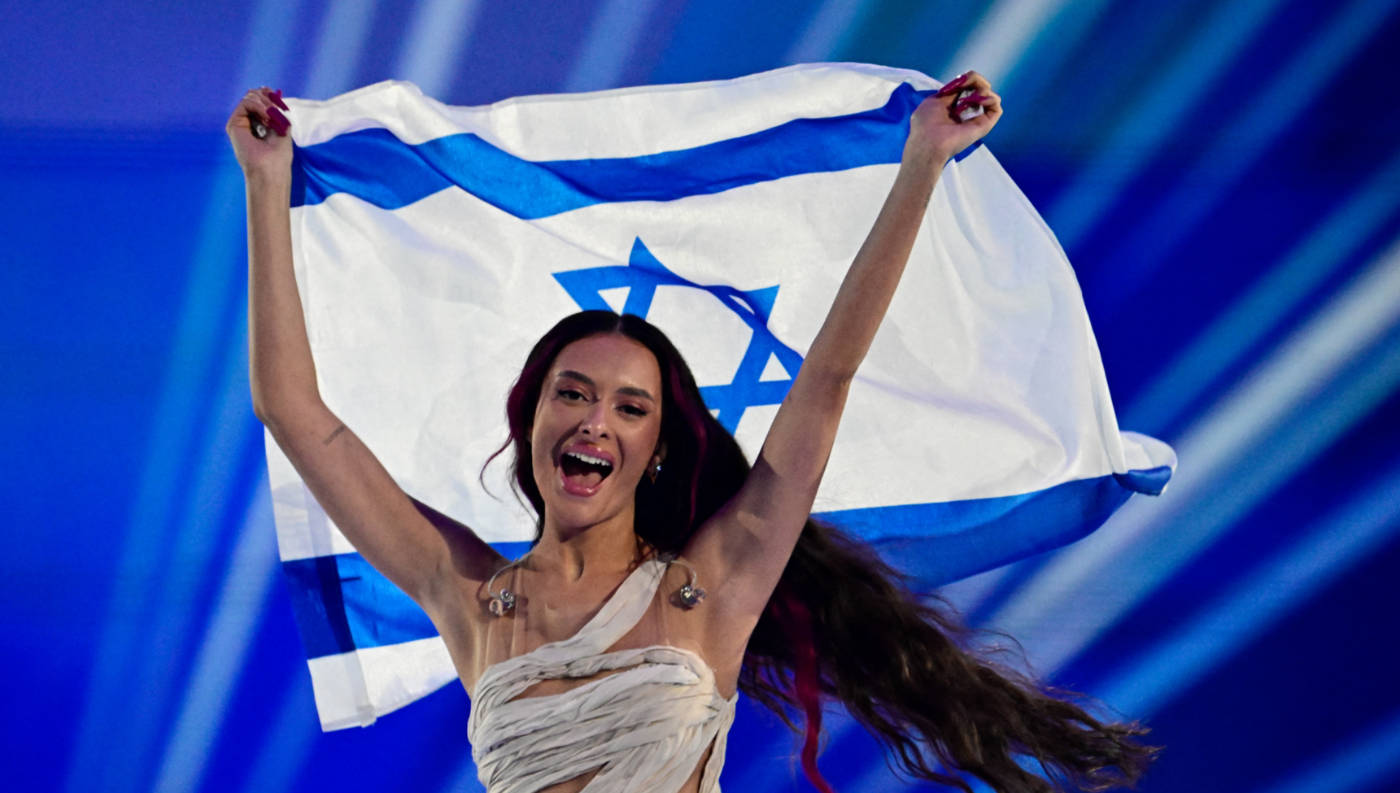
The Eurovision Song Contest, a globally celebrated cultural phenomenon attracting hundreds of millions of viewers annually, is now at the center of a brewing political storm. As tensions escalate over Israel’s participation, at least five nations—Iceland, Ireland, the Netherlands, Slovenia, and Spain—are threatening to withdraw from the 2026 event in Vienna if Israel is allowed to compete. This unprecedented move could significantly disrupt the contest, which has been a platform for unity and musical excellence since its inception in 1956. The controversy stems from the ongoing war in Gaza, where over 65,000 Palestinians have been killed since October 2023. Israel faces accusations of genocide from a United Nations commission of inquiry and major human rights organizations, further fueling calls for its exclusion from Eurovision. The European Broadcasting Union (EBU), which organizes the event, has long maintained that Eurovision is apolitical. However, the 2022 ban on Russia following its invasion of Ukraine has set a precedent for excluding nations embroiled in geopolitical conflicts. Spain’s Prime Minister Pedro Sanchez has cited this example, arguing that Israel’s participation would constitute a double standard. Meanwhile, Israel’s national broadcaster, Kan, has confirmed its intent to participate, and the EBU has denied reports of pressuring Israel to withdraw. The situation has divided the Eurovision community, with some countries, including France and Germany, opposing the boycott. As the deadline for attendance confirmation approaches, the EBU faces a critical decision that could redefine the future of the iconic competition.