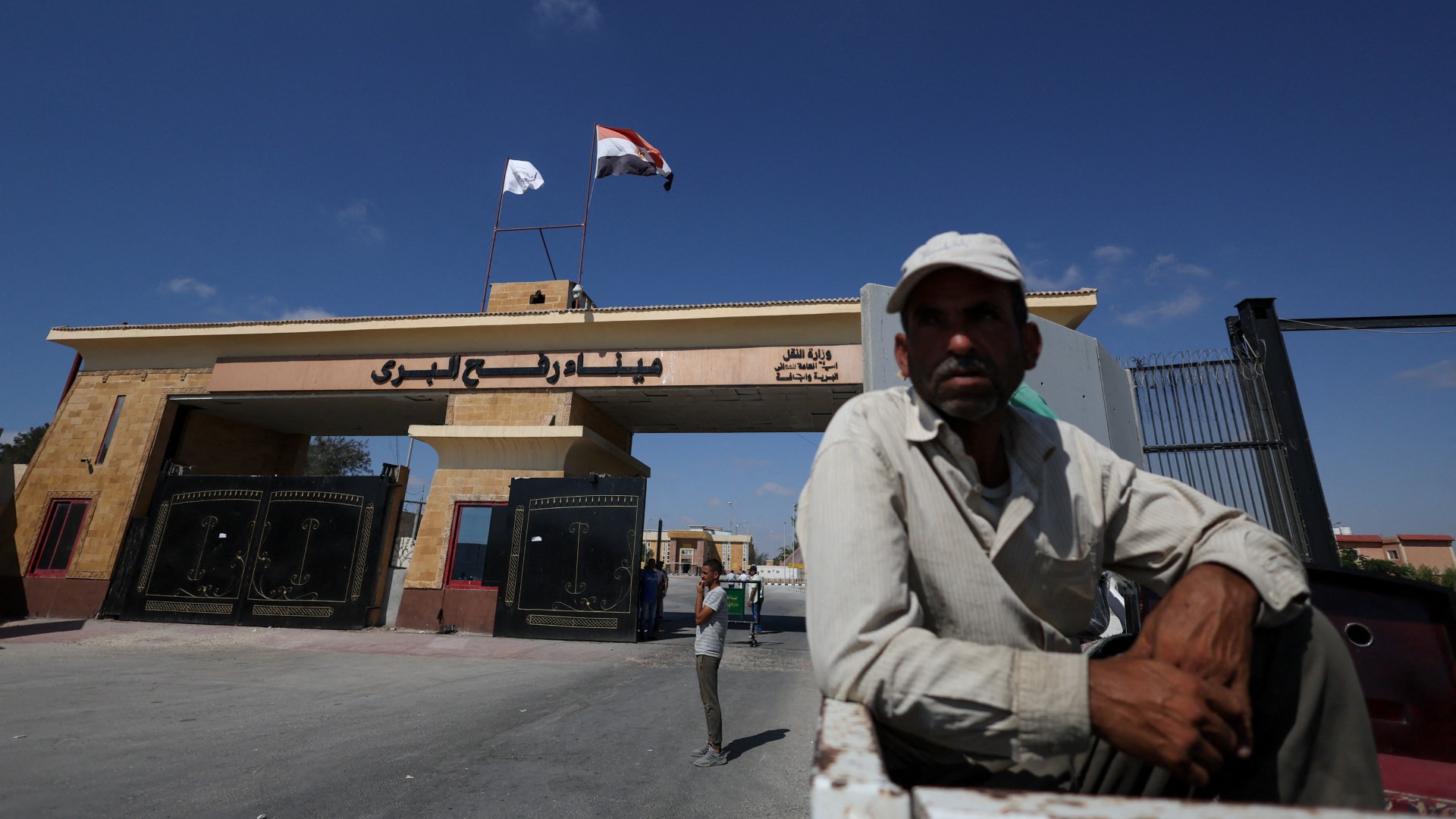
In a significant diplomatic development, the Israeli government has consented to a conditional reopening of the Rafah border crossing between Gaza and Egypt. Prime Minister Benjamin Netanyahu’s office announced the decision on Monday after high-level discussions with US envoys in Jerusalem.
The arrangement, formulated under President Trump’s 20-point peace framework, permits exclusively pedestrian transit through the critical passage. All movement will be subject to comprehensive Israeli inspection protocols. This partial reopening represents a carefully negotiated compromise after extensive dialogue between Israeli officials and US representatives Jared Kushner and Steve Witkoff.
Israel has established explicit conditions for the crossing’s operational status, demanding the complete return of all living captives alongside a verifiable, maximum effort by Hamas to locate and repatriate deceased captives’ remains. This stance initially included the specific requirement to recover the body of Israeli citizen Ran Gvili before permitting any border access, a position reportedly softened following American diplomatic intervention.
The Rafah crossing holds immense strategic and humanitarian importance as Gaza’s primary gateway for aid delivery and civilian passage. Its closure since Israel’s imposition of a blockade in 2007 has drawn consistent criticism from the United Nations and international humanitarian organizations, which have persistently advocated for its reopening to alleviate the region’s humanitarian challenges.
The current agreement, originating from the October 10 ceasefire negotiations brokered by the Trump administration, marks a tentative step toward normalized transit while maintaining Israel’s security requirements. The development illustrates the continuing complexity of Middle Eastern diplomacy and the ongoing international efforts to balance security concerns with humanitarian needs in the region.