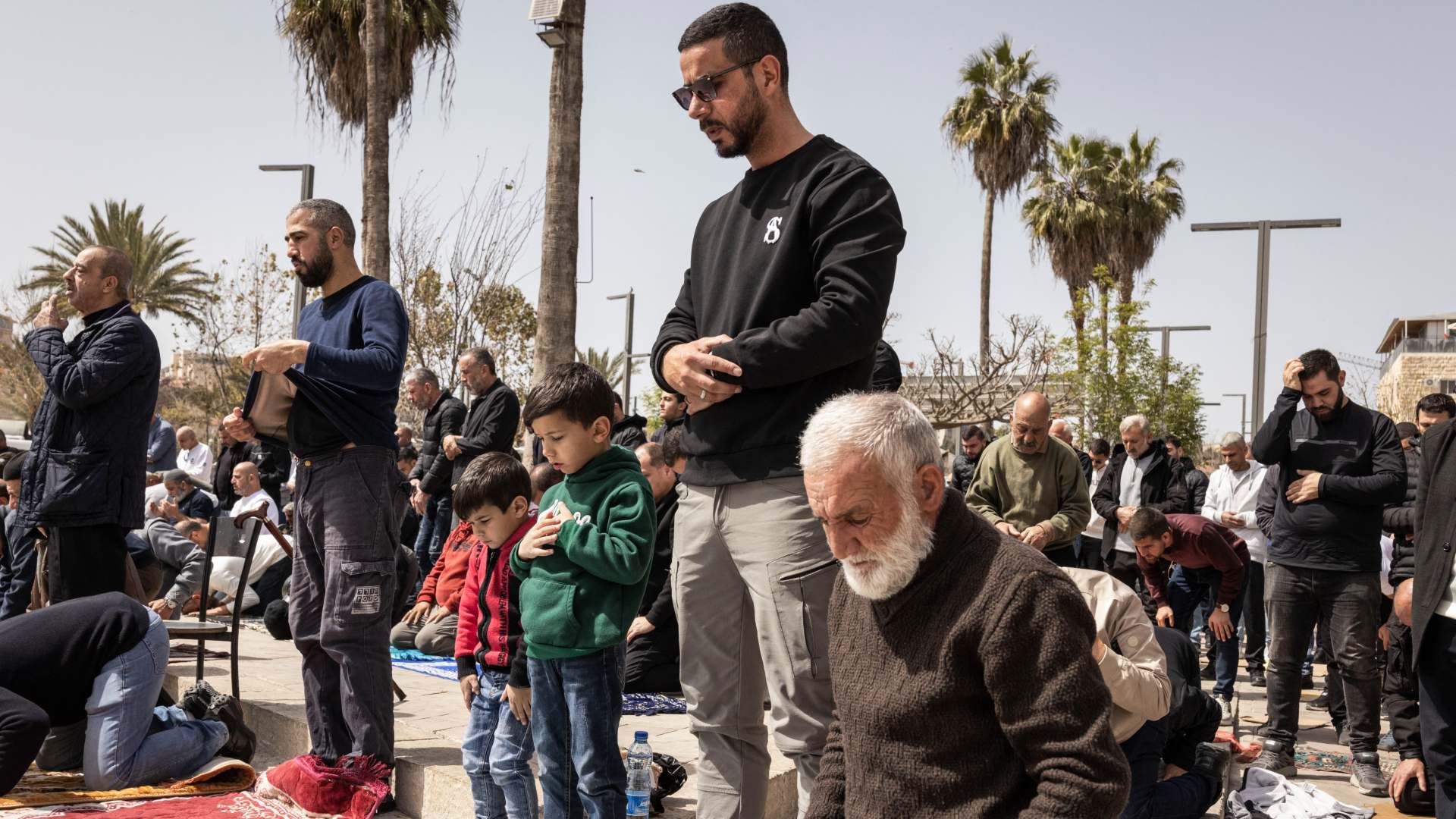
A comprehensive investigation by the International Centre of Justice for Palestinians (ICJP) reveals an escalating pattern of religious persecution against Palestinian Muslims throughout occupied territories and Israel. The UK-based legal advocacy group’s report, scheduled for publication on Friday, documents what it describes as a coordinated campaign threatening the eradication of Palestinian religious and cultural identities.
The findings indicate a significant deterioration in religious freedom conditions following the October 2023 Hamas-led attacks and Israel’s subsequent military operations in Gaza. The report highlights particularly severe restrictions during the current holy month of Ramadan, including multiple incidents of settler violence against places of worship, systematic limitations on access to Jerusalem’s Al-Aqsa Mosque complex, and the detention of over 100 Palestinians within the first week of the religious observance period.
Legislative measures proposed by National Security Minister Itamar Ben Gvir seeking to ban the traditional Muslim call to prayer, alongside amendments to counter-terrorism laws that have resulted in Palestinians facing accusations of Hamas support for quoting Quranic verses, represent additional threats to religious expression according to the documentation.
The ICJP analysis details extensive damage to Gaza’s religious infrastructure, with 1,160 of the territory’s 1,244 mosques reportedly destroyed or severely damaged since conflict initiation. These structures frequently served as civilian shelters, resulting in disproportionate casualties among women and children seeking protection from bombardments.
The report further documents similar targeting of religious sites in the West Bank, referencing an October 2023 airstrike that substantially damaged Al-Ansar Mosque in Jenin. Israeli authorities stand accused of enabling settler attacks against Muslim places of worship through both action and inaction.
Access restrictions to Al-Aqsa Mosque, one of Islam’s holiest sites, have violated the authority of the Islamic Waqf management body according to the findings. During Ramadan’s first Friday, only 2,000 worshippers received permission to traverse primary checkpoints between the West Bank and East Jerusalem.
Recent security measures implemented after alleged Israeli-American operations against Iran resulted in complete closure of Jerusalem’s Old City holy sites, drawing condemnation from Muslim-majority nations who deemed these actions “illegal and unjustified.”
Additional Ramadan restrictions included prohibitions on traditional lanterns, decorations, and the mesaharati practice of dawn drumming to signal pre-fast meals. The ICJP contrasts these limitations with permitted raucous celebrations for the Jewish festival of Purim elsewhere in Jerusalem, characterizing the differential treatment as religious apartheid.
The report echoes United Nations bodies and human rights organizations in urging immediate cessation of attacks on cultural and religious sites, referencing the International Court of Justice’s advisory opinion calling for termination of Israel’s occupation of Palestinian territories.
Dania Abu ElHaj, ICJP’s senior legal officer currently in Jerusalem, observed that many Palestinians face survival questions rather than spiritual reflection during Ramadan’s concluding days, describing occupied territories as functioning as “open-air prisons” under military control.