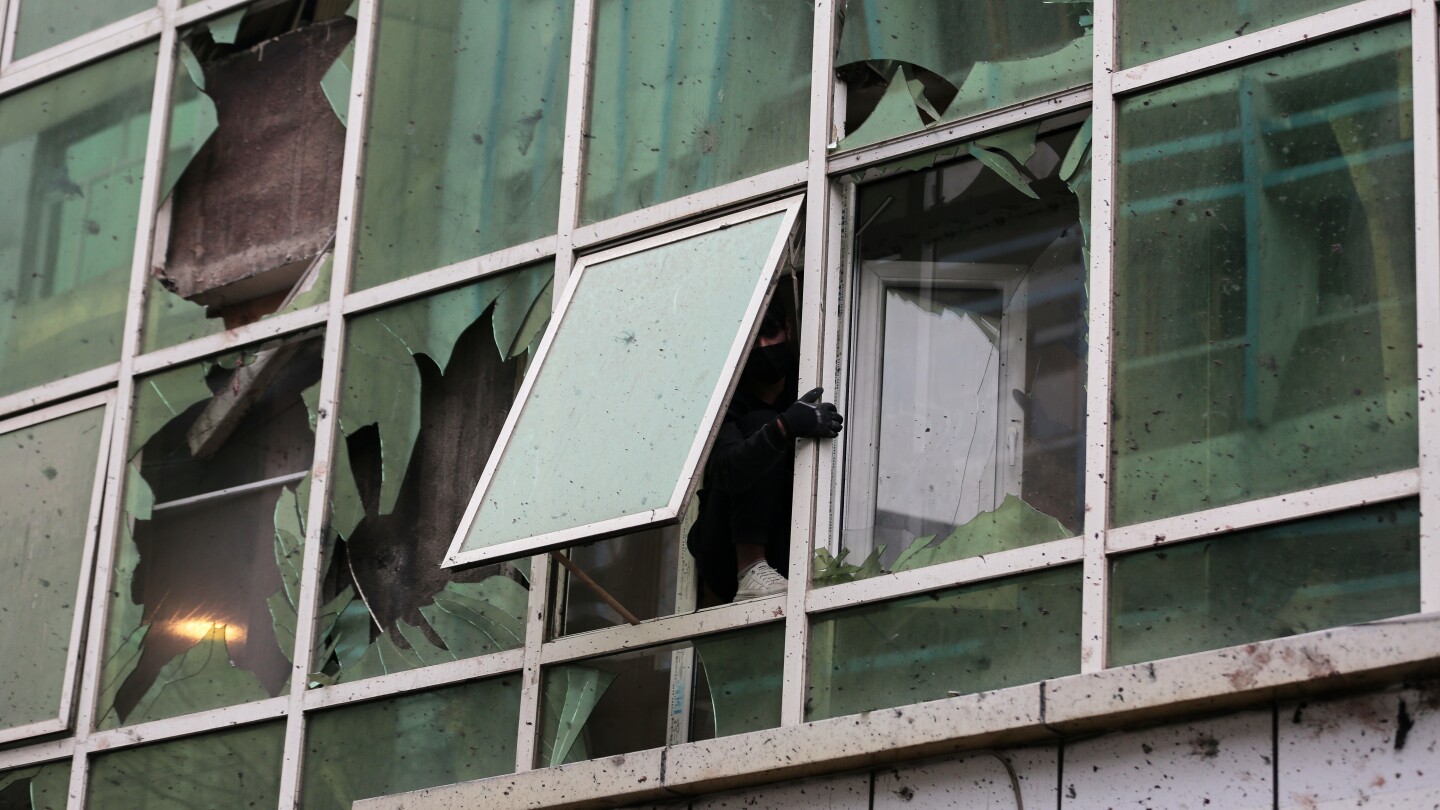
KABUL, Afghanistan — In a development escalating security concerns across Central Asia, the Islamic State (IS) militant organization has publicly claimed responsibility for a devastating suicide bombing at a popular Chinese restaurant in Afghanistan’s capital. The attack, which unfolded late Monday in Kabul’s Shahr-e-Naw district, resulted in significant casualties and has drawn international condemnation.
According to a statement released through the group’s Aamaq news agency, an IS operative infiltrated the restaurant—a known gathering spot for Chinese nationals—and detonated an explosive vest during a crowded gathering. The militant group asserted that the assault resulted in approximately 25 casualties, including Taliban security personnel, though these figures remain unverified by independent sources.
Afghan authorities, while continuing their investigation into the blast’s precise origins, confirmed a tragic death toll of at least seven individuals. Interior Ministry spokesperson Mufti Abdul Mateen Qani acknowledged that the incident remains under active investigation, withholding official confirmation of the cause.
The IS claim, consistent with the group’s typical rhetoric, included explicit threats against Chinese citizens within Afghanistan, directly linking the violence to Beijing’s policies toward Uyghur Muslims. This connection underscores the complex geopolitical tensions permeating the region.
China’s Foreign Ministry confirmed one Chinese national was killed and five others wounded in the explosion. Spokesperson Guo Jiakun stated Beijing ‘strongly condemns and resolutely opposes terrorism in all forms,’ while urging Afghan authorities to enhance protective measures for Chinese citizens and infrastructure. In response to the attack, China has issued travel advisories warning its citizens against visiting Afghanistan and recommending those already in the country evacuate high-risk areas.
The bombing highlights the precarious security situation in Taliban-controlled Afghanistan, where IS has maintained an active presence since the government transition in 2021. Despite the Taliban’s assurances that Afghan territory would not be used by militant groups, this incident demonstrates ongoing challenges to regional stability.
International reactions included strong condemnation from Pakistani President Asif Ali Zardari, who criticized the Taliban government’s adherence to security agreements. The attack occurred concurrently with reports of border clashes between Afghan gunmen and Tajik security forces, further illustrating the region’s volatile security landscape.