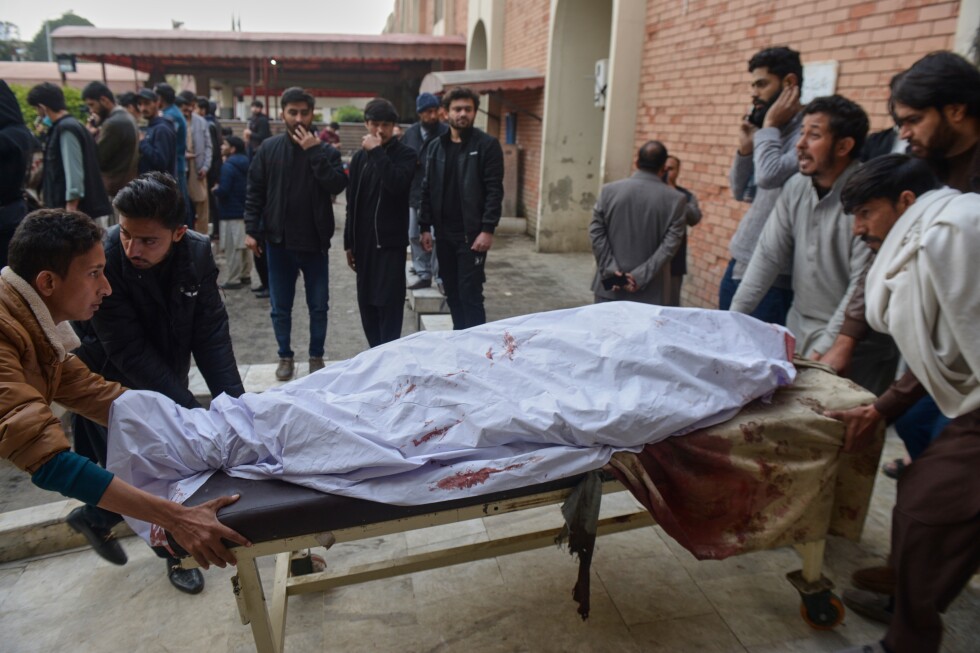
A suicide bombing at a Shiite mosque on the outskirts of Islamabad has resulted in a devastating death toll of 31 individuals, with 169 others wounded, marking the deadliest attack in the Pakistani capital in over a decade. The regional affiliate of the Islamic State group, known as Islamic State in Pakistan, has officially claimed responsibility for the assault in a statement released through its Amaq News Agency.
According to the terrorist group’s account, the attacker initiated the violence by opening fire on security personnel at the mosque’s main entrance before detonating his explosive vest at the inner gate. The ISIS statement contained explicitly sectarian language, referring to Pakistani Shiites as a ‘human reservoir’ providing recruits to Shiite militias opposing ISIS in Syria, thereby justifying them as legitimate targets.
This tragic incident represents the most severe bombing in Islamabad since the 2008 Marriott Hotel attack that killed 63 people. The bombing occurs amid a significant surge in militant violence across Pakistan, creating substantial security challenges for Prime Minister Shehbaz Sharif’s government. Pakistani authorities have identified the bomber as a Pakistani national who had recently traveled to Afghanistan.
In response to the attack, security forces conducted overnight raids in Islamabad and northwestern Pakistan, resulting in multiple arrests including the brother, mother, and other relatives of the suicide bomber. Tragically, one police officer lost his life during these operations.
On Saturday, more than 2,000 grief-stricken mourners gathered under tight security at the same mosque for funeral services. Senior government officials and Shiite community leaders attended ceremonies for approximately a dozen victims, with remaining funerals scheduled to take place in the victims’ hometowns.
The attack has drawn strong international condemnation from the United States, Russia, the European Union, and other nations. Prime Minister Sharif expressed gratitude for the global support following what he described as a ‘heart-wrenching suicide attack,’ emphasizing that international cooperation remains crucial to Pakistan’s counterterrorism efforts.
The bombing has also heightened tensions between Pakistan and Afghanistan’s Taliban government. Pakistan’s Defense Minister Khawaja Mohammad Asif suggested that Pakistan-based militants operating from Afghanistan were responsible for the attack, drawing a sharp response from Afghan authorities who condemned the minister’s remarks as ‘irresponsible.’ Pakistan has repeatedly accused Afghanistan of harboring militants, including members of the Pakistani Taliban (TTP), allegations that Kabul consistently denies.