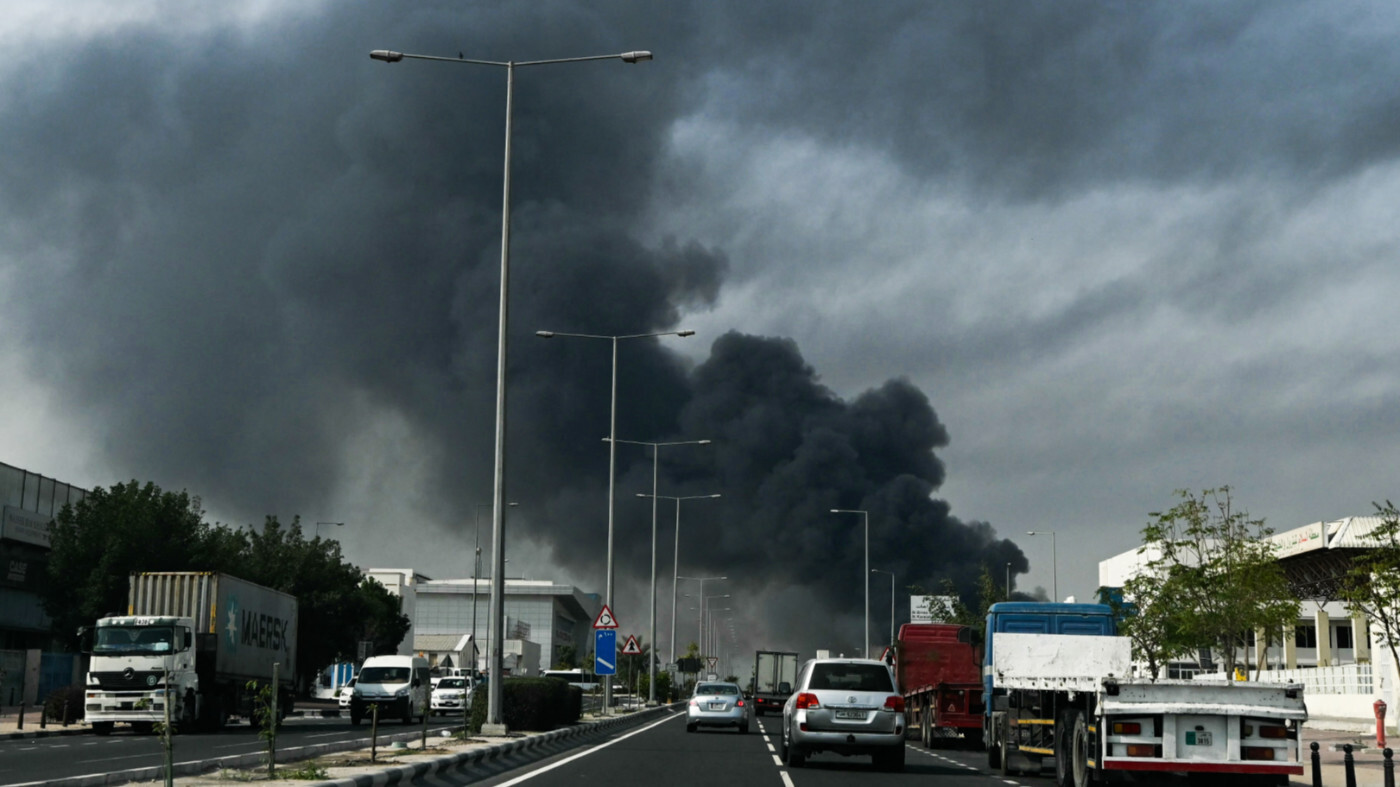
In the aftermath of coordinated US-Israeli offensive strikes against Iran and subsequent Iranian retaliatory measures targeting US installations in the Gulf region, British Prime Minister Keir Starmer has articulated a dual-strategy approach to the escalating conflict. Addressing Parliament on March 1, 2026, Starmer emphasized that the United Kingdom would maintain a defensive posture while supporting regional allies through targeted military cooperation.
The UK’s intervention framework comprises two principal components: first, the interception of Iranian drones and missiles to protect non-combatant states in the region; second, permitting US forces to utilize British military installations for ‘specific and limited’ defensive operations against Iranian missile sites that have targeted Gulf partners. Starmer explicitly stated that Britain would not participate in offensive actions but would focus exclusively on defensive measures to ‘destroy the missiles at source’ while preventing further escalation.
The Prime Minister justified these actions as necessary to protect British interests and citizens, asserting that such measures represent ‘the best way to eliminate the urgent threat’ and facilitate a return to diplomatic solutions. However, this position has raised significant legal questions regarding its compliance with international law, particularly the United Nations Charter.
Middle East Eye consulted five distinguished international law experts to examine the legality of Britain’s stance. The central legal argument presented by the UK government maintains that its actions constitute lawful, proportionate collective self-defense at the formal request of Gulf states. Officials issued a legal summary describing Iran’s actions as ‘reckless’ and ‘indiscriminate,’ requiring coordinated defensive response to restore regional security.
Legal scholars present divergent interpretations regarding the legitimacy of Iran’s initial response to US-Israeli strikes. Professor Janina Dill (University of Oxford) acknowledged Iran’s right to self-defense against aggressor states, while Professor Marko Milanovic (University of Reading) argued that Iran’s retaliation exceeded permissible boundaries by targeting civilian infrastructure in neutral territories. The debate extends to whether Gulf states genuinely possess the right to collective self-defense given the complex chain of escalation.
Further legal complications emerge regarding Britain’s authorization of US base usage. Professor Oona Hathaway (Yale Law School) noted that UK assistance might inadvertently prolong unlawful US-Israeli operations against Iran, creating obligations for Britain to demand cessation of the original aggression. Professors Adil Haque (Rutgers University) and Ben Saul (University of Sydney) contended that facilitating US strikes constitutes participation in ongoing unlawful campaigns, regardless of defensive framing.
The legal consensus indicates that Britain’s actions exist in a gray area of international law, where determinations of legality depend on interpretations of necessity, proportionality, and the inseparable nature of defensive and offensive operations in active conflict scenarios.