While Italy celebrates unprecedented success across multiple sporting disciplines, its men’s national soccer team faces a critical juncture that threatens to extend the country’s World Cup absence to at least 16 years. The four-time world champions must navigate a challenging playoff path against Northern Ireland followed by either Wales or Bosnia and Herzegovina to avoid missing a third consecutive tournament.
This soccer crisis exists in stark contrast to Italy’s remarkable achievements elsewhere. Nineteen-year-old Kimi Antonelli recently became Formula One’s second-youngest race winner, the Azzurri rugby squad secured a historic Six Nations victory against England, and Jannik Sinner has returned to dominant form on tennis courts. Italy currently holds world championships in both men’s and women’s volleyball, while even traditionally overlooked baseball and cricket teams have broken significant barriers.
Sports Minister Andrea Abodi acknowledges the concerning disparity, noting that an entire generation under 15 lacks any memory of Italy’s last World Cup appearance—a 2014 elimination remembered more for Luis Suarez’s bite on Giorgio Chiellini than competitive achievement. “For generations of Italians, the World Cup was the time when the country came together and waved our flag,” Abodi told La Stampa. “Our national spirit now extends beyond soccer but it would still be nice to share those emotions with younger fans.”
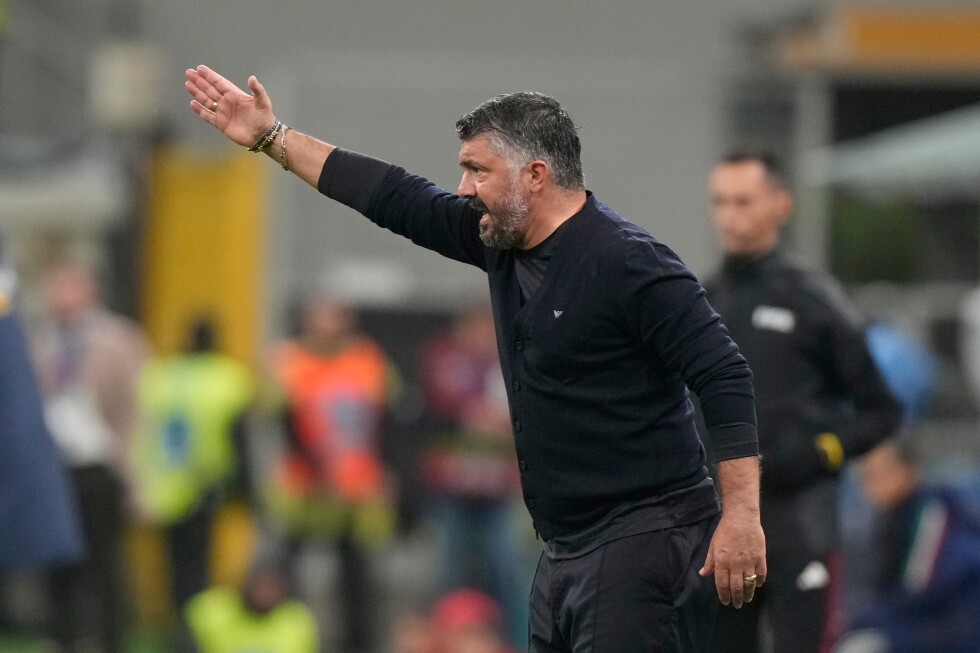
The current qualification campaign began disastrously with a 3-0 loss to Norway, prompting managerial changes from Luciano Spalletti to Gennaro Gattuso. Despite a subsequent six-match winning streak, another defeat to Norway consigned Italy to the playoffs—the same stage where they suffered eliminations before the 2018 and 2022 World Cups.
Systemic issues extend beyond the national team. Serie A has transitioned from attracting world-class talent to becoming a destination for players past their prime. No Italian club has claimed the Champions League since Inter Milan in 2010, and the federation president recently unveiled new youth development programs aimed at overcoming what he describes as “extreme tacticalism” prioritizing defensive approaches.
As members of the 2006 World Cup-winning squad—including Gattuso and delegation chief Gianluigi Buffon—work to revive fortunes, the team has resorted to unconventional methods like nationwide dinner meetings with players instead of formal training camps. Their immediate challenge begins against Northern Ireland in Bergamo, with the nation’s broader sporting excellence highlighting soccer’s peculiar struggle.