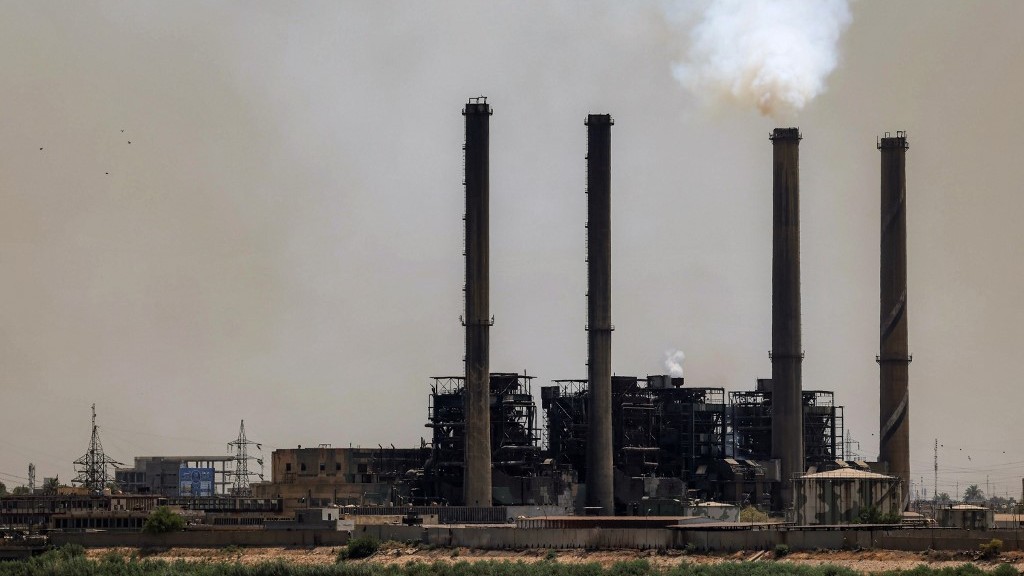
Iraq encountered a severe energy crisis on Tuesday as Iran unexpectedly terminated all natural gas exports to its neighboring nation. The sudden cessation resulted in a massive reduction of approximately 4,000-4,500 megawatts from Iraq’s national power grid, according to an official statement from the Iraqi Ministry of Electricity.
The ministry confirmed it received formal notification from Iranian authorities citing ‘unforeseen circumstances’ as the reason for the complete gas supply disruption. This development poses significant challenges for Iraq, which historically depends on Iranian energy imports for up to 40% of its electricity generation requirements.
Ahmed Moussa, official spokesperson for the Electricity Ministry, disclosed that multiple power generation facilities were forced to cease operations due to the gas supply suspension, directly impacting daily electricity allocation across the country. “The complete halt in Iranian gas pumping has resulted in the substantial loss of generating capacity within our electrical system,” Moussa stated.
The ministry has implemented emergency measures by coordinating with the Ministry of Oil to utilize alternative local fuel sources for power plants. Moussa emphasized that “production remains under control, and generating facilities continue operational despite some units being affected by the gas shortage.”
This incident highlights Iraq’s persistent vulnerability stemming from its substantial energy dependence on Iran—a longstanding point of both domestic political contention and international diplomatic concern. The Trump administration previously intensified pressure on this arrangement by revoking in March a crucial waiver that had permitted Iraq to continue payments for Iranian electricity imports.
Regional trade data indicates Iranian gas exports to Iraq had already declined by approximately 40% between April and August this year. Iraq’s chronic electricity shortages, particularly during extreme summer temperatures, are compounded by systemic infrastructure deficiencies, widespread corruption, and unreliable energy imports that frequently face abrupt interruptions.