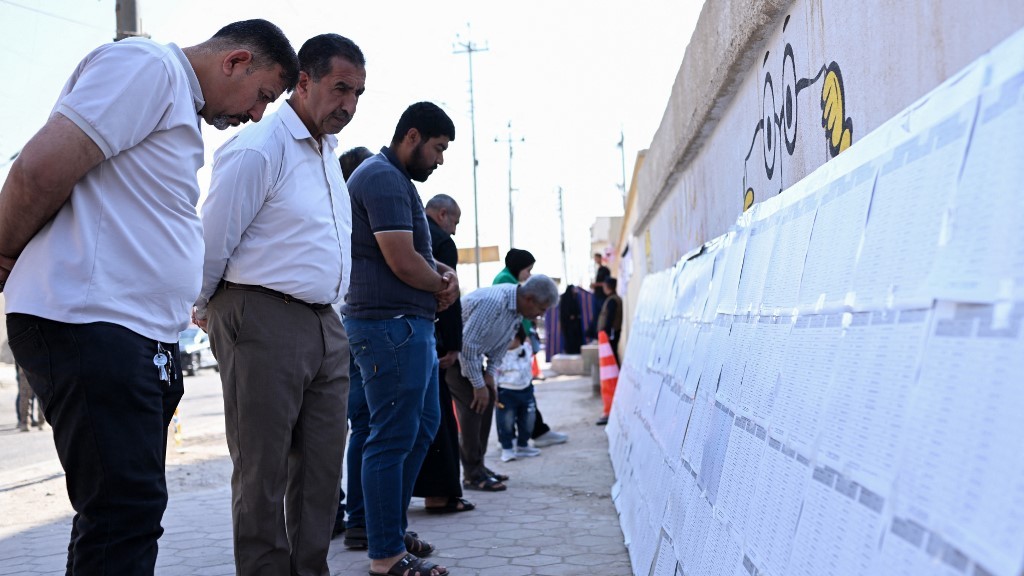
Iraq’s parliamentary elections commenced on Tuesday, marked by a subdued voter turnout and widespread calls for a boycott, notably from influential Shia cleric Muqtada al-Sadr. Over 7,740 candidates, including a significant proportion of women, are vying for 329 seats. Preliminary results are anticipated by Wednesday, though final confirmation may extend over several weeks, as seen in previous elections. Reports from AFP correspondents indicate a notably low voter presence at midday, likely influenced by Sadr’s appeal to abstain from voting. In a recent social media statement, Sadr criticized the electoral system for perpetuating the dominance of corrupt politicians, urging Iraqis to reject the status quo. Despite relative stability since the fall of Saddam Hussein in 2003, persistent issues like corruption, inadequate public services, and infrastructure decay have eroded public trust in the electoral process. Sadr’s supporters dominated the 2021 elections, which recorded the lowest turnout since 2003, but withdrew from parliament in June 2022 following a government formation deadlock. Sadr and others advocate for a comprehensive overhaul of the parliamentary system, which is widely perceived as sectarian and clientelist. Prime Minister Mohammed Shia al-Sudani aims to retain his position, with his success hinging on the Coordination Framework, a dominant Shia alliance. Sudani has navigated Iraq through regional tensions, including the fallout from the Gaza conflict and the strained relations between the US and Iran. Armed groups linked to the Coordination Framework have targeted Israeli and US interests, demanding the withdrawal of American forces. A recent Reuters report highlighted a US-Iraq agreement to reduce the American military presence by September 2025. Former Prime Minister Nouri al-Maliki, a key figure in the elections, opposes Sudani’s re-election and emphasizes resisting foreign interference. Maliki criticized Sadr’s boycott calls, underscoring the challenges in conducting the elections amidst various obstacles.
Iraq: Muqtada al-Sadr urges boycott of ‘corrupt’ elections as low turnout expected