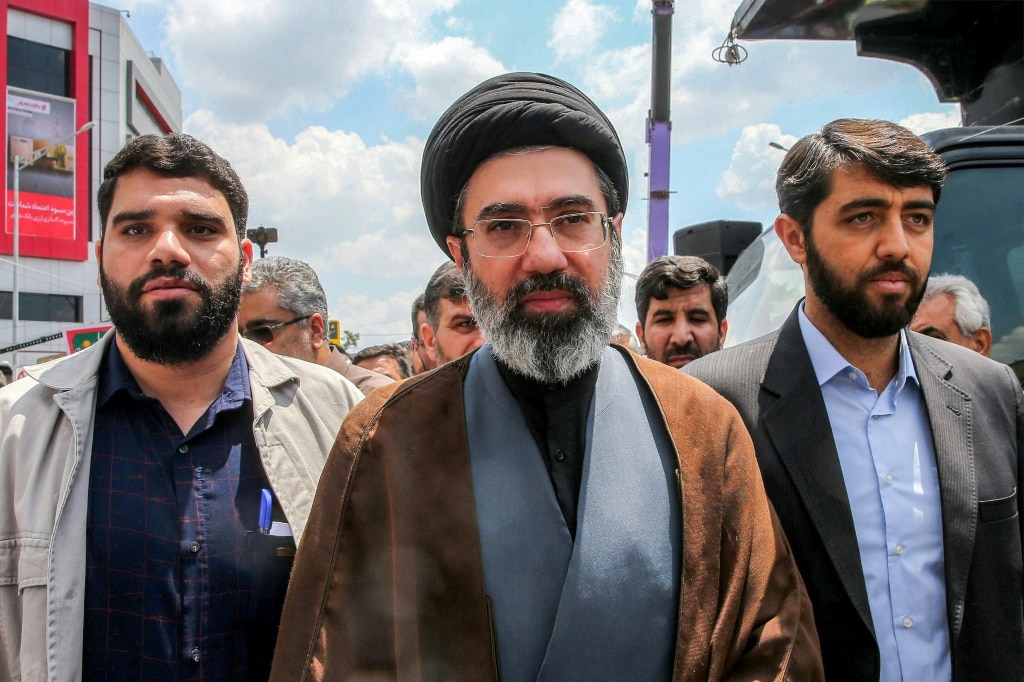
Iran’s political landscape faces unprecedented uncertainty as newly appointed Supreme Leader Mojtaba Khamenei remains out of public view following injuries sustained during the transition of power. Presidential adviser Yousef Pezeshkian confirmed Wednesday that the 56-year-old successor is “safe and sound” despite physical injuries, marking the first official acknowledgment of his condition.
The previously low-profile but influential figure assumed Iran’s highest leadership position after his father, Ali Khamenei, was killed alongside his mother and wife in a February 28 airstrike that initiated the US-Israeli military campaign against the Islamic Republic. The daytime attack on a Tehran compound reportedly left Mojtaba with leg injuries, though he remains alert while sheltering at a highly secure location with limited communication access.
State television has characterized Khamenei as a “wounded veteran of the Ramadan war,” referencing the conflict that erupted during the holy Muslim fasting month. His symbolic ascension to power has been visually represented across Tehran through giant billboards depicting him receiving the national flag from his father under the watchful gaze of Islamic Republic founder Ruhollah Khomeini.
The new leader’s invisible presence has created a complex political dynamic. While thousands of pro-government supporters brandished his posters at rallies, nighttime protests in the capital have featured chants of “Death to Mojtaba!”—reflecting public opposition to a figure believed instrumental in suppressing anti-government demonstrations since 2009.
Security analysts anticipate Khamenei will maintain a bunkered existence for the foreseeable future, given his immediate designation as a primary target for US and Israeli forces. Emile Hokayem of the International Institute for Strategic Studies noted that “killing him early is certainly an Israeli priority,” while suggesting that survival would transform him into “a totem, a testimony to the resilience of the system.”
Power delegation appears imminent, with expectations that Khamenei will assign governmental operations to national security chief Ali Larijani and military operations to powerful parliament speaker Mohammad Bagher Ghalibaf. The new leader has already received pledges of allegiance from Iran’s conventional military, the Islamic Revolutionary Guard Corps, and Tehran-backed groups including Yemen’s Houthi rebels and Lebanon’s Hezbollah. Russian President Vladimir Putin has additionally promised “unwavering support.”
The leadership transition occurs against the backdrop of former US President Donald Trump’s warning that Khamenei would require American approval to maintain power, stating Sunday that without such endorsement, “he’s not going to last long.” This development marks a critical juncture for Iran’s political future, combining dynastic succession with intensified international pressure and internal dissent.