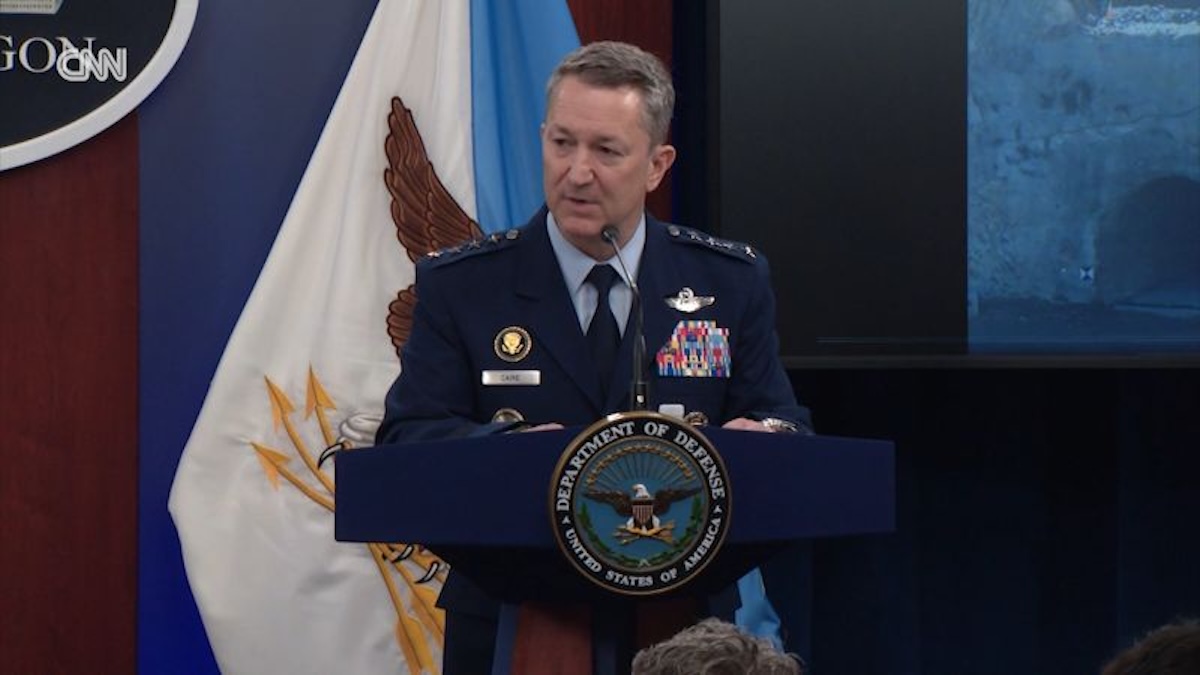
In a significant escalation of military operations, US-Israeli coalition forces have successfully degraded Iran’s air defense capabilities, achieving air superiority over key western regions including Tehran. General Dan Caine, Chairman of the US Joint Chiefs of Staff, confirmed on March 2 that coalition operations have neutralized approximately 200 Iranian air defense systems since hostilities began on February 28.
The systematic dismantling of Iran’s integrated air defense network has enabled a tactical shift in aerial operations. With long-range Surface-to-Air Missile (SAM) systems rendered largely ineffective in designated corridors, the United States has deployed B-1 Lancer heavy bombers from continental bases—a strategic adjustment necessitated by Britain’s refusal to permit US operations from British territories including Cyprus and Diego Garcia.
Military analysts report that coalition forces are prioritizing the destruction of mobile transporter erector launchers (TELs), with expectations of accelerated attrition in coming days. Current assessments indicate Iran’s S-300/S-400 systems are largely non-functional, while domestically produced Bavar-373 systems—developed with Chinese HQ-9B technology—have been severely degraded.
The conflict has witnessed substantial missile exchanges, with Iran launching between 150-200 ballistic missiles toward Israel in initial salvos, achieving less than 5% penetration rates against advanced interception systems including Arrow-3, David’s Sling, and SM-3 interceptors. Subsequent launches have diminished to sporadic barrages of 9-30 missiles as mobile launch capabilities deteriorate.
Parallel naval operations have targeted Iran’s maritime assets, significantly damaging strategic bases at Bandar Abbas and Chahbahar, thereby reducing Tehran’s capacity to threaten critical oil transit routes through the Strait of Hormuz.
The campaign has also extended to leadership targeting, with the elimination of General Majid ibn al-Reza, recently appointed acting defense minister, underscoring the comprehensive nature of coalition objectives.
Despite these developments, NATO officials express concern regarding interceptor missile inventories, emphasizing the necessity of enhanced production capabilities and preemptive destruction of enemy assets as optimal defense strategies.