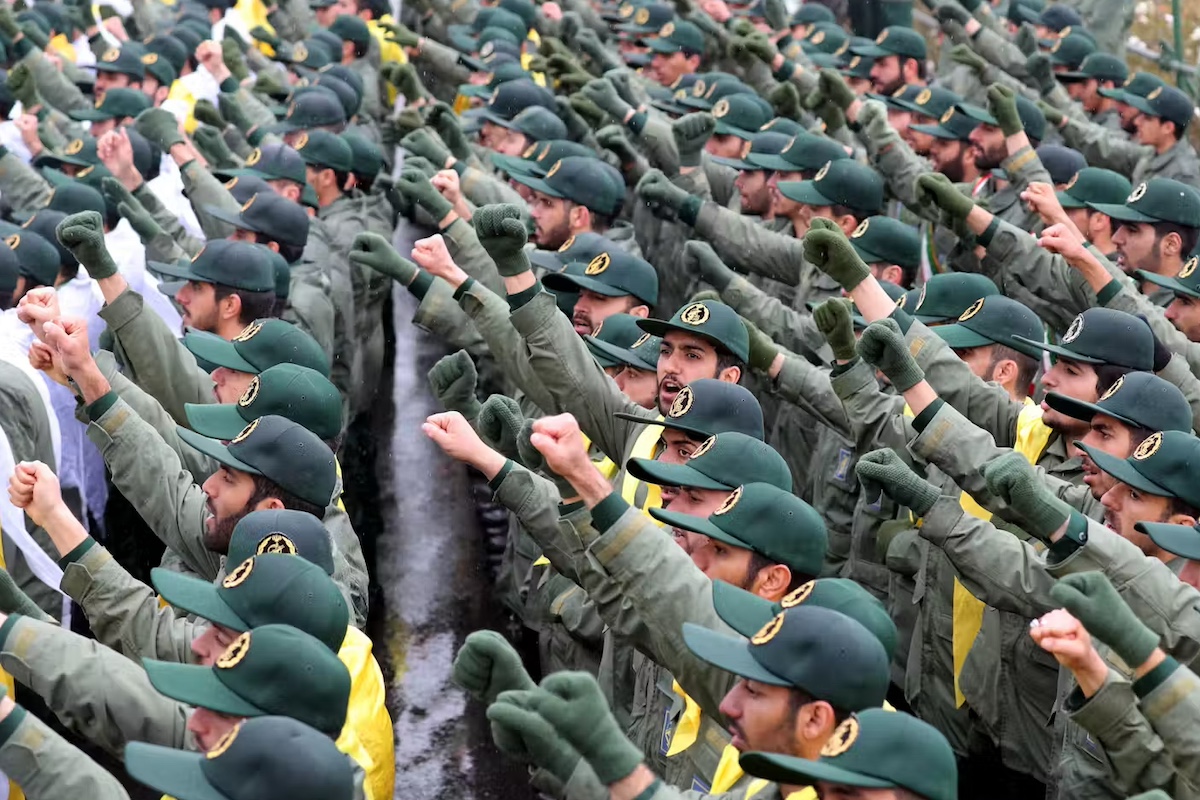
In a dramatic move, Australian Prime Minister Anthony Albanese has accused Iran of directing at least two antisemitic attacks on Australian soil, including the firebombing of a synagogue. These actions, Albanese claims, were intended to sow discord and undermine social cohesion in the country. In response, Australia has expelled Iran’s ambassador, suspended operations of its embassy in Tehran, and announced plans to designate Iran’s Islamic Revolutionary Guard Corps (IRGC) as a terrorist organization, aligning with similar actions by the United States and Canada. The IRGC, a branch of Iran’s armed forces, has been implicated in various destabilizing activities globally, including coordinating support for groups like Hezbollah and Hamas. Western intelligence agencies have long accused the IRGC of involvement in covert operations, with the UK recently revealing it had thwarted 20 Iranian-linked plots since 2022. Australia’s decision marks a significant escalation in its stance toward Iran, with officials noting this is the first time since World War II that Canberra has expelled an ambassador. Tehran is expected to reject the allegations, dismissing them as politically motivated. This development comes amid broader tensions over Iran’s nuclear program, with Western powers demanding a halt to uranium enrichment activities and preparing to reimpose sanctions. Australia’s actions may further isolate Iran internationally, adding momentum to Western efforts to counter its influence.