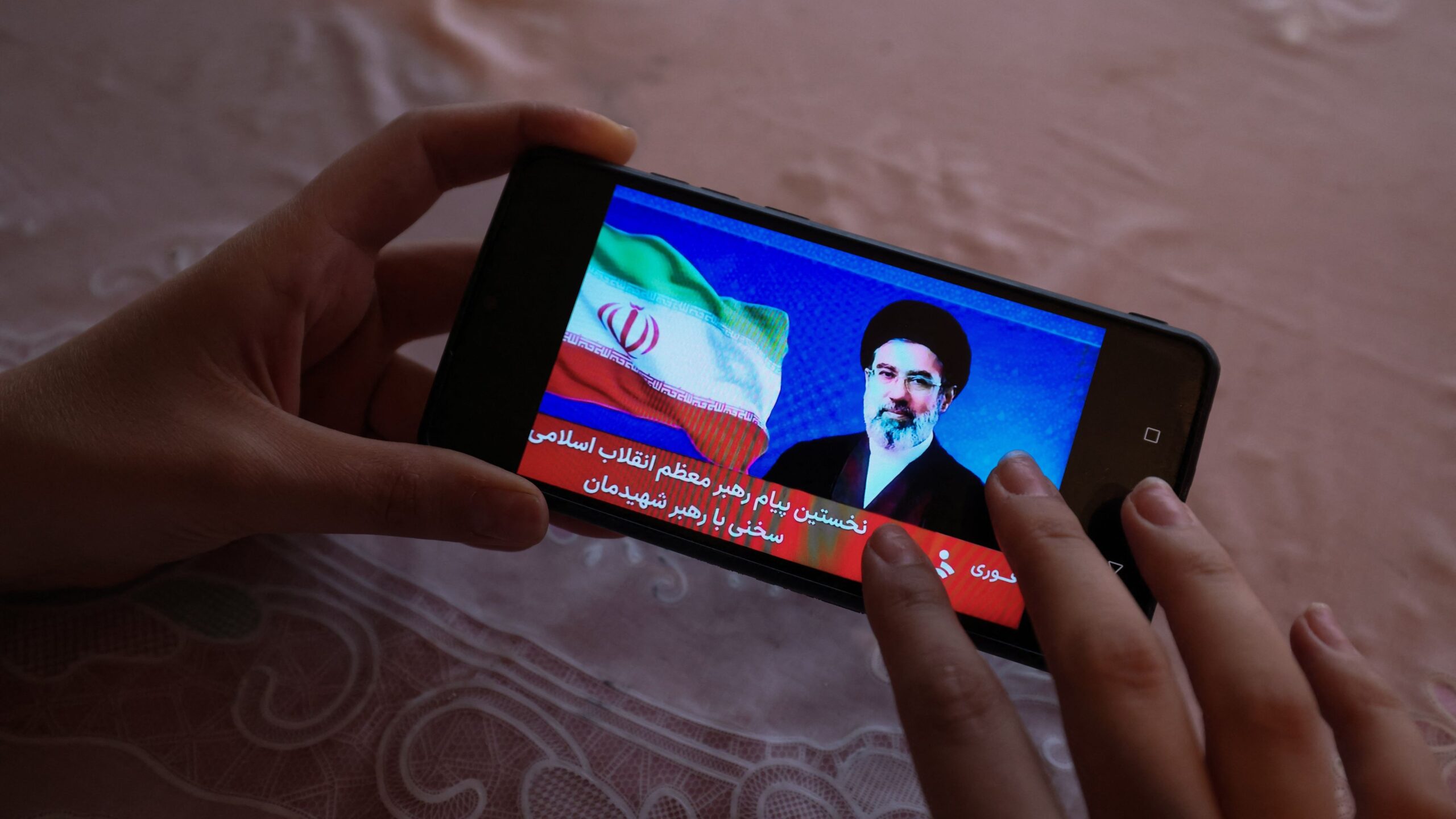
Iran is currently experiencing the most prolonged nationwide internet blackout in its history, now extending beyond 20 consecutive days according to digital rights monitoring organization NetBlocks. The unprecedented disruption began following the commencement of US-Israel military operations against Iranian territory, creating the longest sustained internet shutdown ever documented within a highly connected society.
NetBlocks Director Alp Toker revealed to Middle East Eye that Iran’s digital blackout now ranks among the top three longest internet shutdowns in recorded history, surpassed only by extended outages in Sudan and Myanmar during military coup scenarios. The Islamic Republic has established a pattern of implementing internet restrictions during periods of civil unrest, with authorities justifying these measures as necessary to combat misinformation, while critics argue they enable violent state crackdowns without external scrutiny.
The comprehensive blackout has severely hampered communication between Iran and the global community, though some citizens have attempted to circumvent restrictions using Virtual Private Networks (VPNs) and alternative methods. Toker noted that conventional VPN services have largely been rendered ineffective, with authorities activating a domestic intranet that provides limited, unreliable external access primarily for technical users under increasingly tightened controls.
Illicit Starlink satellite systems have emerged as another circumvention method, though both technologies are considered contraband and carry significant user risks amid heightened security measures. Iranian intelligence officials reported confiscating hundreds of prohibited Starlink devices nationwide through what they described as a ‘complex and extensive’ operation targeting satellite-linked systems ‘used to serve the enemy.’ The ministry emphasized that possessing or operating illegal Starlink networks constitutes a criminal offense under Iranian law, with violations during wartime conditions warranting the most severe penalties, particularly for those allegedly collaborating with adversarial nations.
Simultaneously, Iran’s judiciary announced the execution of three individuals convicted of killing police officers and conducting operations supporting the United States and Israel during January’s anti-government protests. The executions were carried out after convictions for ‘waging war against God,’ a capital offense. While Tehran officially acknowledges approximately 3,000 fatalities during the unrest—including security personnel and bystanders—human rights organizations estimate the death toll exceeds 7,000, predominantly comprising protesters. The protests, among the largest in recent decades, were fueled by economic pressures and state repression, prompting then-US President Donald Trump to openly call for the overthrow of the Islamic Republic.