Despite overwhelming US military superiority accounting for 37% of global defense expenditures compared to Iran’s sub-1% share, Tehran is effectively employing asymmetric warfare tactics that historically frustrated American objectives in Vietnam, Iraq and Afghanistan. Iranian strategy centers on four insurgent methodologies designed to force US withdrawal through protracted engagement rather than direct confrontation.
Iran’s tactical approach involves systematically targeting critical infrastructure and military installations throughout the Persian Gulf, deliberately provoking escalated US military response. This calculated provocation serves dual purposes: diminishing domestic support for the Islamic regime as civilian casualties mount—already exceeding 1,400 fatalities and 18,000 injuries according to Iranian health authorities—while simultaneously eroding American public backing for continued engagement, with recent polls indicating only 27% of US citizens support the conflict.
The regime is simultaneously executing a ‘spoiling’ campaign against Gulf neighbors including Saudi Arabia, UAE, Oman, Kuwait, Qatar and Bahrain. Despite long-term regional implications, this strategy aims to disrupt security relationships between Gulf states and their traditional US protector, potentially reshaping Middle Eastern power dynamics in Iran’s favor.
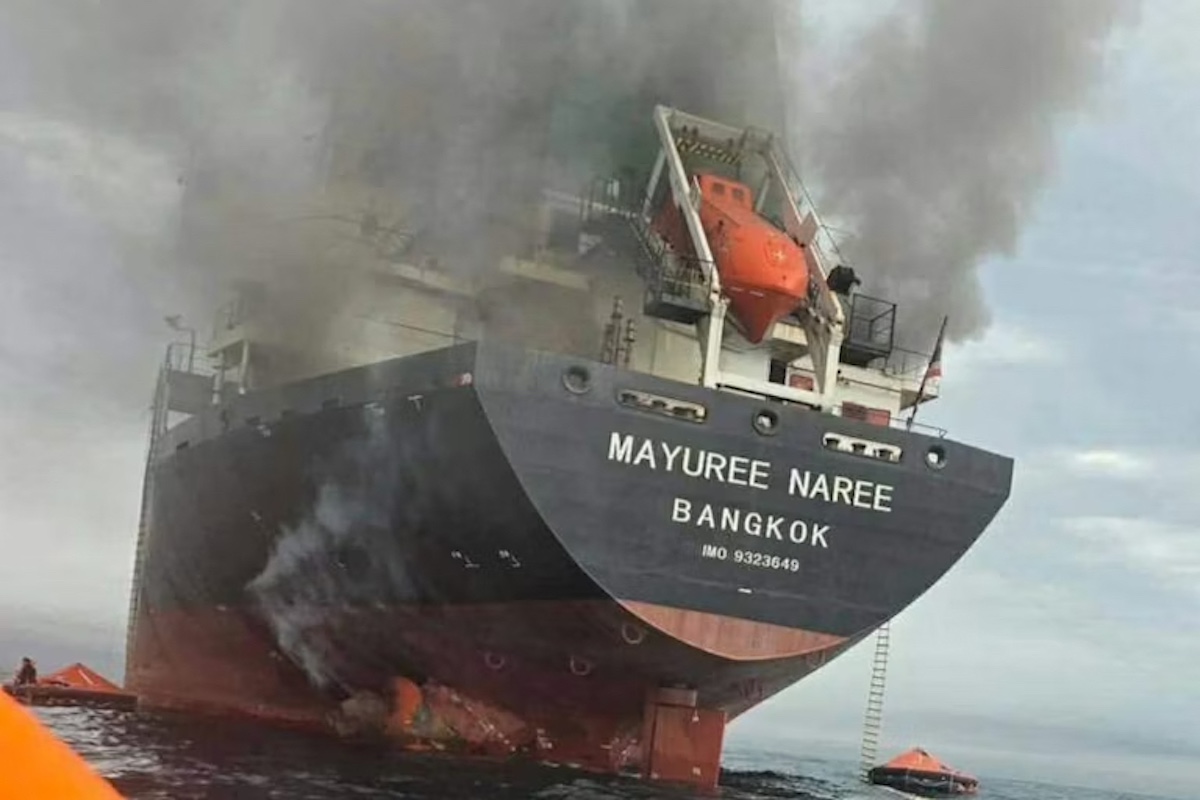
Maritime warfare innovations represent Tehran’s most effective asymmetric advantage. Following early conventional naval losses, Iran implemented an irregular naval strategy utilizing fast-attack craft, naval mines and specialized midget submarines optimized for the Gulf’s shallow waters. This has effectively threatened international shipping lanes through the strategically vital Strait of Hormuz, granting Iran disproportionate influence over global energy markets and critical mineral flows.
Civilian infrastructure targeting completes Tehran’s insurgent methodology. Threats against airports, desalination plants and energy facilities increase pressure on Gulf governments while creating global economic disruption through transportation hub closures. This psychological warfare component destabilizes populations and increases international pressure for US disengagement.
Historical precedent suggests weaker military actors can achieve strategic victory by outlasting their opponent’s political will rather than achieving battlefield dominance. While the Iranian regime faces significant medium-term challenges, its immediate survival strategy relies on exhausting American commitment through protracted insurgent warfare.
Effective US counterstrategy would require implementing proven counterinsurgency principles emphasizing civilian protection and ‘hearts and minds’ engagement—approaches notably absent from current operations characterized by substantial civilian casualties including the devastating bombing of a girls’ school that killed 175 predominantly children.