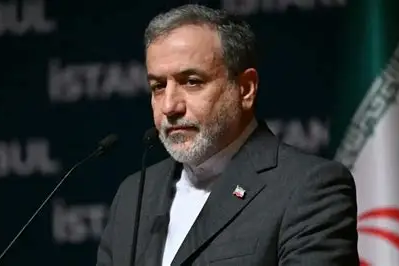
High-stakes negotiations between Iran and the United States aimed at de-escalating Middle East tensions ended in a disappointing breakdown in Islamabad over the weekend, with Iran’s top diplomat placing full blame on Washington’s inflexible demands and hostile threats against the Islamic Republic.
Iranian Foreign Minister Seyed Abbas Araghchi announced the collapse of the talks in a social media post to X early Monday, revealing that the two long-standing adversaries had come surprisingly close to a historic agreement after days of closed-door negotiations. This round of diplomacy marked the highest-level direct engagement between Tehran and Washington in nearly half a century, a period defined by broken diplomatic ties and repeated cycles of open conflict.
Araghchi emphasized that Iran entered the discussions with sincere, good-faith intentions to end the ongoing regional war and reach a mutually acceptable understanding. “In intensive talks at highest level in 47 years, Iran engaged with US in good faith to end war. But when just inches away from the ‘Islamabad MoU,’ we encountered maximalism, shifting goalposts, and blockade,” he wrote in his post. He added a warning that reciprocity defines relations between the two nations: “Zero lessons earned. Good will beget good will. Enmity begets enmity.”
Within 24 hours of the talks collapsing, former U.S. President Donald Trump responded to the failed diplomacy with a sharp escalation of his own, announcing in a post on Truth Social that the U.S. Navy would implement a full naval blockade blocking all commercial and military vessels attempting to transit in and out of the Persian Gulf through the Strait of Hormuz, one of the world’s most critical energy chokepoints.
Iranian military leaders swiftly dismissed Trump’s threat as empty posturing. Iranian Navy Commander Shahram Irani called the proposed blockade “very ridiculous and laughable” in comments reported by Iran’s semi-official Tasnim News Agency, confirming that Iranian naval forces maintain full surveillance over all U.S. military movements across the region.
The Islamic Revolution Guards Corps (IRGC), Iran’s elite revolutionary military force, issued a stark warning of its own Sunday, making clear that any foreign military vessel that attempts to approach the Strait of Hormuz under any pretext following the threat will be treated as a deliberate violation of ceasefire agreements and met with severe, immediate retaliation.
The breakdown of the Islamabad talks has raised fresh fears of a rapid escalation of hostilities in the already volatile Middle East, putting global energy markets at risk of major disruption as tensions between the two nations surge once again after a brief window of diplomatic progress.