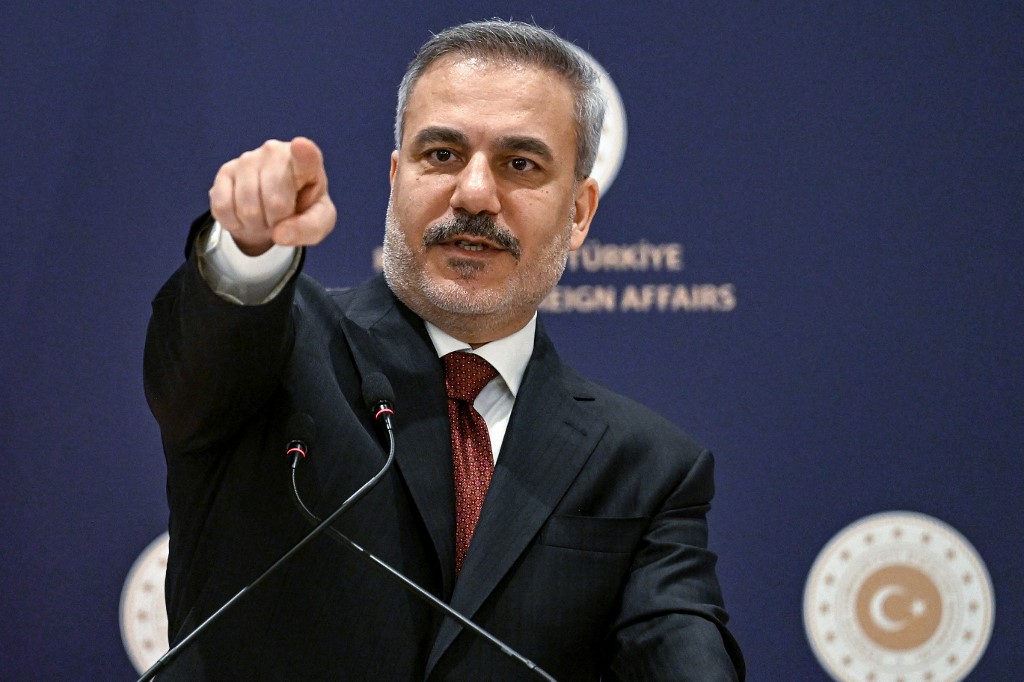
Turkish Foreign Minister Hakan Fidan conceded on Tuesday that his nation’s intensive diplomatic efforts to broker a peace agreement between the United States and Iran have collapsed following recent military escalations. Despite weeks of negotiation in Oman and the proposal of what Fidan characterized as ‘creative solutions’ addressing Iran’s nuclear and ballistic programs, American and Israeli offensive operations over the weekend ultimately derailed Ankara’s peace initiative.
Fidan provided a sober assessment of Iran’s current military strategy, describing it as an attempt to ‘regionalize’ the conflict by targeting economic assets across the Gulf. Iranian forces, operating under a decentralized command structure designed to survive leadership strikes, have damaged luxury hotels in Dubai, struck energy facilities in Saudi Arabia, and compelled Qatar to temporarily suspend its liquefied natural gas exports. According to Fidan, Tehran’s objective is to demonstrate that the conflict’s repercussions will extend far beyond its borders, thereby pressuring Gulf nations to lobby Washington for a cessation of hostilities.
However, the Turkish minister expressed skepticism regarding this approach’s efficacy, stating, ‘Iran seems to expect that by striking these locations, the affected parties will exert pressure on the United States to halt the war, but this outcome does not appear probable.’ He further elaborated on the military realities, noting that while U.S. and Israeli forces are currently focused on eliminating ballistic missile launchers, the stockpiles of interceptor missiles in the region may be depleted within weeks.
Fidan outlined the probable endgame, suggesting that Israel and the U.S. will continue operations until Iran’s military capacity is neutered to a point where it no longer constitutes a regional threat—a process he warned would be protracted due to Iran’s vast territory and dispersed missile assets. While acknowledging that regime change remains a ‘maximum objective,’ Fidan observed no significant internal unrest within Iran that would make such an outcome imminent. Ankara remains particularly concerned about a potential refugee crisis, though Fidan noted Iran is currently preventing its citizens from departing across its borders.