As Iranian worshippers gathered for Eid al-Fitr prayers marking the end of Ramadan, the traditional celebrations unfolded against a backdrop of heightened military tensions and nuclear facility attacks. The spiritual occasion, typically led by Iran’s supreme leader, saw Ayatollah Mojtaba Khamenei remaining absent from public view following his recent ascension to power after his father’s death in a U.S.-Israeli strike.
In central Tehran’s Imam Khomeini grand mosque, judiciary head Gholam Hossein Mohseni Ejei presided over overflowing prayers, with worshippers spilling into surrounding streets. The religious observance coincided with reports of renewed attacks on Iran’s Natanz nuclear facility, which hosts underground centrifuges for uranium enrichment. Iran’s atomic energy organization confirmed the complex was targeted, though no nuclear material leakage was reported.
The conflict, now entering its fourth week, has triggered global energy market disruptions with oil prices surging past $105 per barrel and the strategic Strait of Hormuz facing blockages. In a significant policy shift, the U.S. Treasury announced temporary sanctions relief for Iranian oil already loaded onto vessels before March 20, allowing deliveries through April 19.
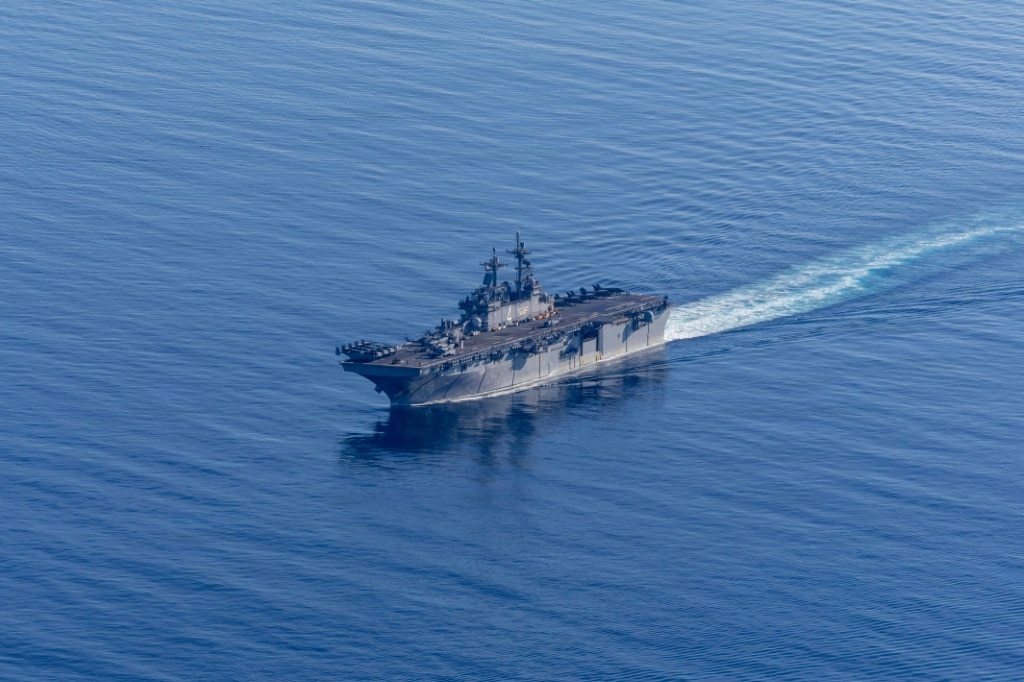
President Donald Trump signaled potential de-escalation, stating military objectives were nearly met and considering winding down Middle East operations. However, contradictory deployments emerged as U.S. media reported thousands of additional marines heading to the region, suggesting possible ground operations.
The conflict has expanded beyond Iran-Israel hostilities, with Lebanon experiencing regular Israeli bombardments targeting Hezbollah strongholds. Lebanese health authorities reported over 1,000 fatalities and one million displaced persons, while Israel confirmed two soldier casualties in southern Lebanon.
Russian President Vladimir Putin reaffirmed Moscow’s alliance with Tehran, offering support during what he termed ‘severe trials.’ Meanwhile, Trump criticized NATO allies as ‘cowards’ and demanded they secure the Strait of Hormuz, emphasizing that the U.S. should not bear sole responsibility for safeguarding the critical waterway.
Iranian Foreign Minister Abbas Araghchi announced Tehran would impose shipping restrictions on countries involved in attacks against Iran while offering assistance to neutral vessels. The multifaceted conflict continues to reshape regional alliances and global energy markets with no immediate resolution in sight.