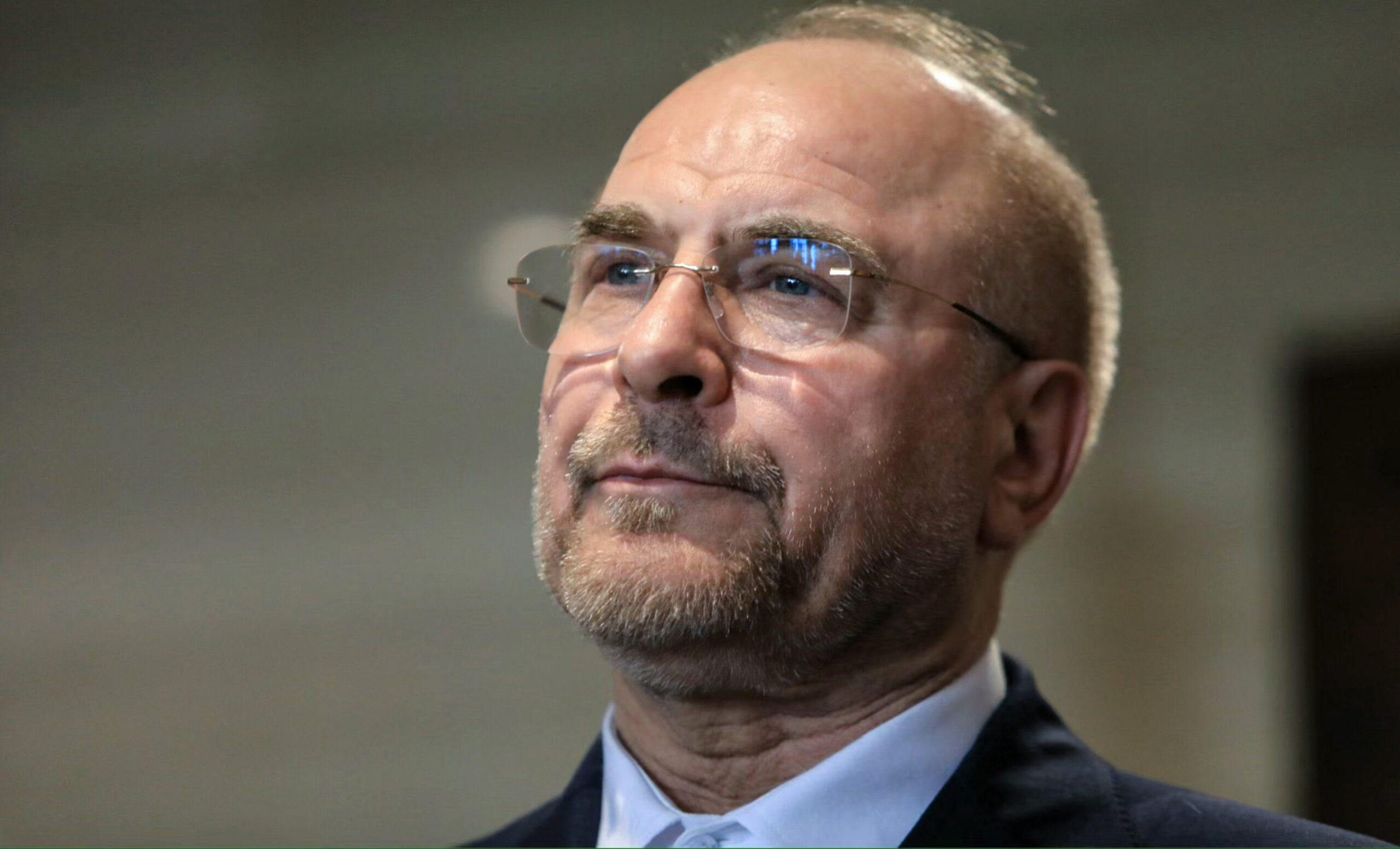
Speculation regarding potential negotiations between the United States and Iranian Parliamentary Speaker Mohammad Bagher Ghalibaf has ignited fierce criticism across Iranian society. Reports suggesting former President Donald Trump might support Ghalibaf’s political ascendancy have been met with widespread condemnation, highlighting deep public distrust toward the prominent figure.
Ghalibaf’s controversial background as former IRGC commander and Tehran mayor has come under intense scrutiny. His open admissions regarding violent suppression of the 1999 student movement and numerous corruption allegations during his 12-year mayoral tenure have resurfaced in public discourse. Although Tehran officially denies any ongoing negotiations with Washington, the mere suggestion of Ghalibaf as potential intermediary has triggered social media outrage.
Iranian journalists abroad have amplified these concerns. Ata Mohammad Tabrizi, based in Turkey, characterized Ghalibaf as “one of the most corrupt and opportunistic figures in the Islamic Republic” on social media platform X. Journalist Maryam Moghadam detailed extensive corruption allegations involving Ghalibaf’s family members, including financial dealings and international property acquisitions.
Meanwhile, the regional conflict’s humanitarian impact continues to worsen. Iranian newspaper Shargh reports cancer patients face critical shortages of hospital beds and essential medications. US-based Hrana human rights group documents over 2,500 fatalities and 5,000 injuries since conflict initiation, creating overwhelming strain on healthcare infrastructure. Patients describe avoiding treatment facilities due to bombing risks, with one chemotherapy patient expressing fear: “I’m afraid something might happen to my doctor. What if the hospital where I get chemotherapy is bombed?”
Recent Israeli strikes on South Pars gas field—the world’s largest shared natural gas field—have drawn criticism from opposition figures. Researcher Peyman Jafari interpreted the attack as targeting Iran’s economic foundation rather than pursuing regime change. Former gas complex employee Ezzat Dolatabadi emphasized the devastating loss of national infrastructure that “cannot be rebuilt overnight after destruction.”
In parallel developments, Reza Pahlavi—son of Iran’s deposed shah—faced online ridicule after apparently attempting to claim credit for established Persian New Year traditions. His public encouragement of customary practices already observed annually prompted social media mockery, with users sarcastically dubbing him the ‘King of Confiscation’ for presenting existing cultural practices as new initiatives.