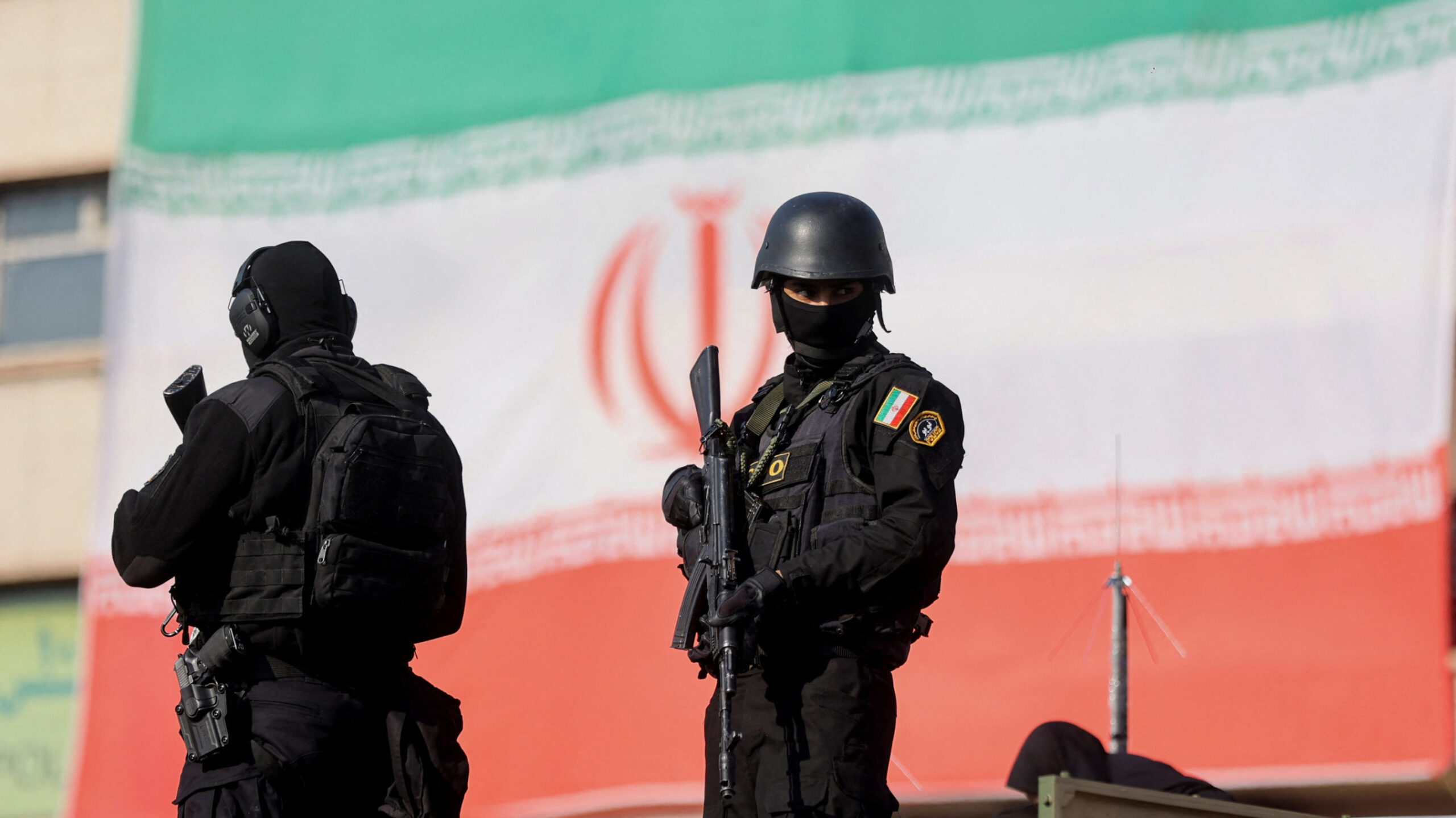
International alarm is mounting over Iran’s severe response to nationwide demonstrations, with human rights organizations estimating security forces have detained over 10,000 protesters amid escalating concerns about potential death sentences. The situation intensified dramatically when Justice Minister Amin Hossein Rahimi characterized recent unrest as “a civil war” rather than legitimate protest, signaling possible execution orders for those arrested during January 8-11 operations.
Hossein Bastani, an exiled Iranian journalist, warned via social media platform X that authorities might consider executions “a cheap option,” extending the lethal crackdown beyond street violence to judicial proceedings. This fear materialized temporarily when rights group Hengaw reported 26-year-old Erfan Soltani faced imminent execution in Karaj before international pressure, including explicit warnings from the United States, prompted Iranian officials to deny execution plans and retract Soltani’s death sentence.
The legal advocacy group Dadban, operating externally, has urgently mobilized Persian-speaking lawyers to provide critical defense for detainees, particularly emphasizing that many young protesters lack awareness of their legal rights. However, a nationwide telecommunications blackout severely hampers these efforts, isolating prisoners from potential legal assistance.
From within Tehran’s notorious Evin Prison, Kurdish political prisoner Verisheh Moradi—whose own death sentence was recently overturned—issued a powerful message championing the continuing “Women, Life, Freedom” movement that began following Mahsa Amini’s 2022 custodial death. Moradi condemned both the current Islamic Republic system and potential restoration of the pre-1979 monarchy, asserting that “no wall, no bar, and no rope has been able to extinguish the fire of resistance.”
Simultaneously, Iran’s parliament—comprising lawmakers vetted by intelligence agencies—advanced urgent legislation to further restrict demonstration locations and impose stricter permit requirements, effectively constitutionalizing protest suppression under the guise of maintaining Islamic Republic foundations and public order.