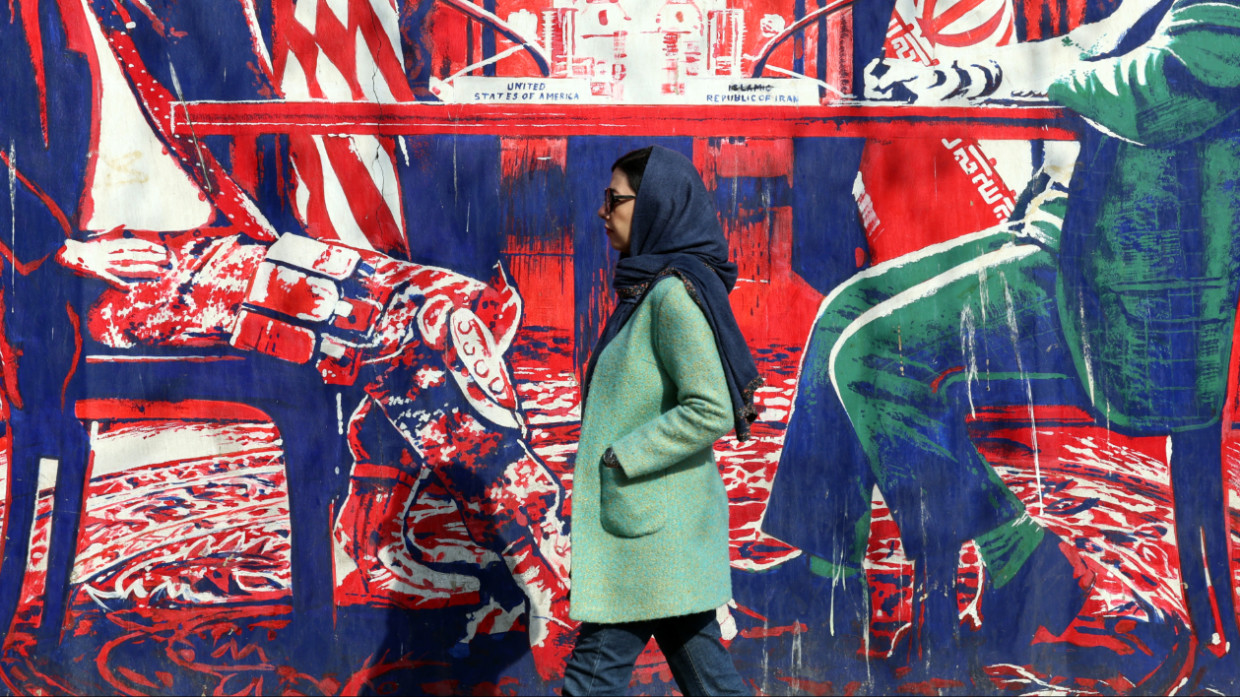
A profound internal schism has emerged within Iran regarding renewed diplomatic engagement with the United States, set against a backdrop of severe economic sanctions and recent military tensions in the Gulf. This division marks a significant shift from the pre-war period preceding last year’s 12-day conflict with Israel, when opposition to dialogue was more dominant.
Prominent voices are now advocating for a pragmatic approach to lift crippling international sanctions. Gholamhossein Karbaschi, former Tehran mayor and moderate political figure, issued a direct appeal to President Masoud Pezeshkian, stating the government must prioritize relief for the Iranian people. “The world is cruel. America is a bully, and Europe is even worse,” Karbaschi acknowledged in comments to Etemad Online, while emphasizing the necessity of addressing citizens’ economic and security needs.
International affairs analyst Ali Bigdeli similarly urged officials to conclude current negotiations, criticizing previous strategies as obsolete. “The old strategy no longer works, and the signs of its failure are clear,” Bigdeli stated in Saazan Degi newspaper, advocating for talks grounded in “today’s realities, not yesterday’s illusions.”
The debate unfolds as Supreme Leader Ayatollah Ali Khamenei, who retains ultimate authority over foreign policy decisions, has remained conspicuously silent on the current negotiations—a silence many interpret as tacit approval.
Meanwhile, figures within Iran’s establishment are acknowledging a deepening social crisis following the violent suppression of nationwide protests three weeks prior. Official reports cite 3,117 fatalities, though independent human rights organizations estimate the death toll exceeds 6,000. This violence has created what analysts describe as a state of “collective grief” throughout the nation.
Saeed Khademi, advisor to the national Welfare Organization, warned in Arman Meli newspaper that unrecognized social trauma combined with economic hardship and fears of military conflict could fuel renewed unrest. “If the true grief and pain of the victims and their families is not recognized,” Khademi wrote, “a wounded and irritable mind is formed that can lead to anger and social tension.”
This concern was echoed by Pirouz Hanachi, former member of the Islamic Revolutionary Guard Corps, who cautioned in Etemad daily that “ignoring public grief or trying to quickly and carelessly overcome it can lead to the accumulation of resentment” that eventually manifests as “anger and distrust.”
In a concerning development, Iranian authorities have recently expanded their crackdown beyond ordinary citizens to target prominent reformist figures. Recent days have witnessed arrests of several high-profile individuals including Javad Imam, Ghorban Behzadiannejad, Hossein Karroubi, and Ali Shakouri-Rad—a former parliament member and Iran-Iraq War veteran who had recently criticized security forces for allegedly instigating violence during protests.
The scope of these arrests, which now includes senior members of the Reform Front coalition, represents the most significant suppression of dissent since the 2009 Green Movement protests.
Simultaneously, Iranian lawyers are mounting unprecedented challenges against the judicial treatment of detainees. Legal professionals have published open letters protesting what they describe as “extralegal restrictions” on defendants’ rights, including denied access to counsel, abbreviated trials, and coerced confessions broadcast on state media.
Hamidreza Haji Esfandiari, a lawyer writing in Etemad, criticized the systematic violation of constitutional protections, warning that such practices risk “an even greater destruction of the manifestations of the rule of law.”