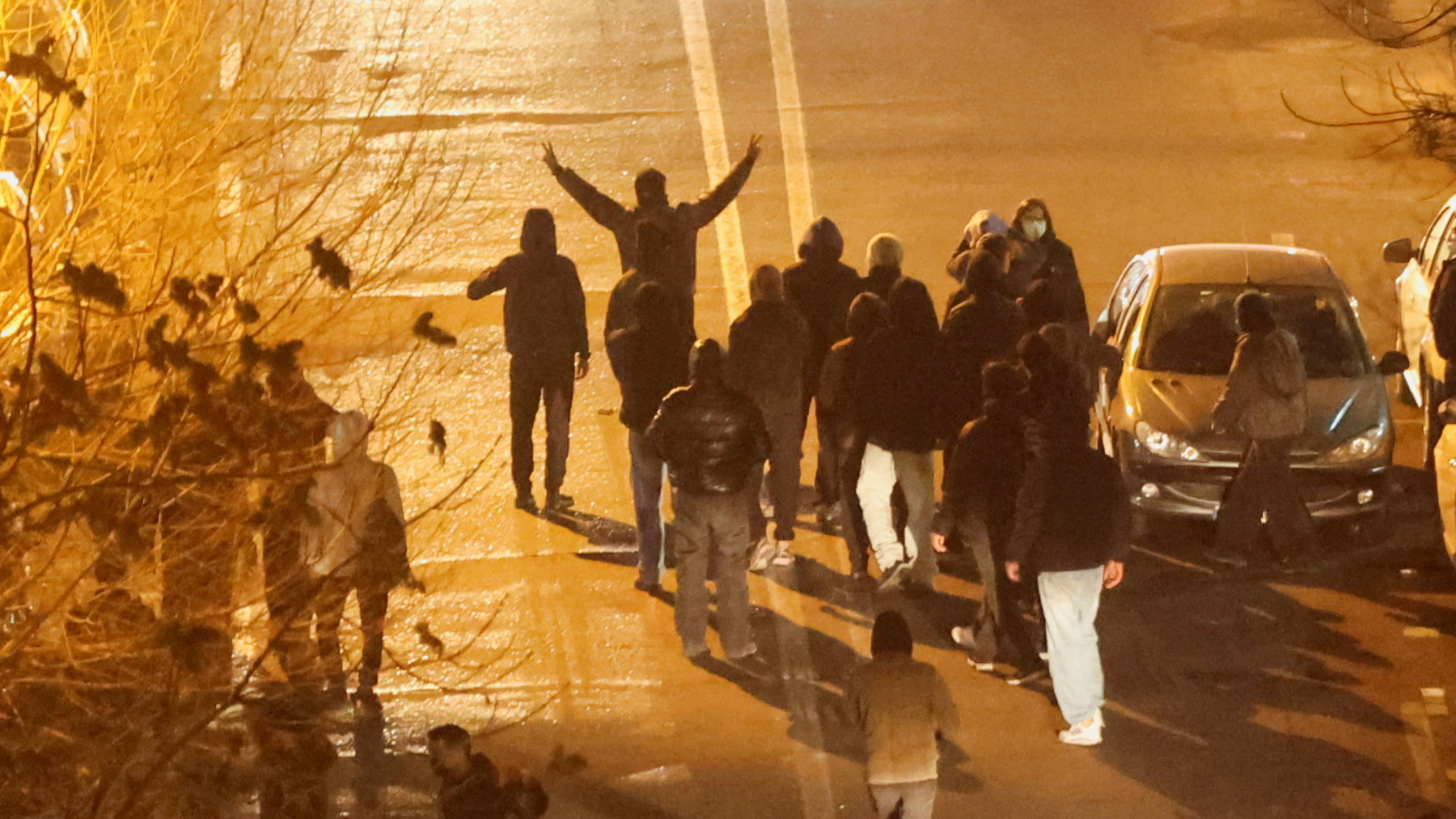
In a rare official disclosure, an anonymous Iranian authority confirmed on Sunday that at least 5,000 individuals perished during recent anti-government demonstrations that swept across the nation. The protests, initially triggered in late December by widespread discontent with Iran’s deteriorating economic conditions, rapidly evolved into nationwide mobilizations demanding governmental overthrow.
The administration responded with severe suppression tactics, including a comprehensive internet blackout initiated on January 8th that isolated the country from global communications. Multiple sources documented security personnel employing live ammunition against demonstrators, with the northwestern Kurdish regions experiencing particularly intense violence due to historical tensions between separatists and governmental forces.
The official attributed the substantial death count to “terrorists and armed rioters” allegedly supported by “Israel and armed groups abroad,” claiming these elements killed “innocent Iranians.” This statement represents the first governmental effort to quantify the human cost of the unrest, though independent organizations present conflicting statistics. US-based HRANA documented 3,090 verified fatalities, while Oslo-based Iran Human Rights NGO reported evidence of execution-style killings against wounded protesters.
Supreme Leader Ayatollah Ali Khamenei publicly acknowledged the crisis on Saturday, referencing “several thousand” casualties while assigning full responsibility to the United States. Khamenei specifically denounced President Donald Trump as “criminal” for allegedly instigating the violence, destruction, and social turmoil. Despite Trump’s threats of “very strong action” should Iran execute detained protesters, Iranian officials subsequently denied any plans for such measures.
Recent developments indicate a potential de-escalation, with Tehran residents reporting diminished protest activity and partial restoration of internet and SMS services, though connectivity remains approximately 2% of normal levels according to monitoring group NetBlocks.