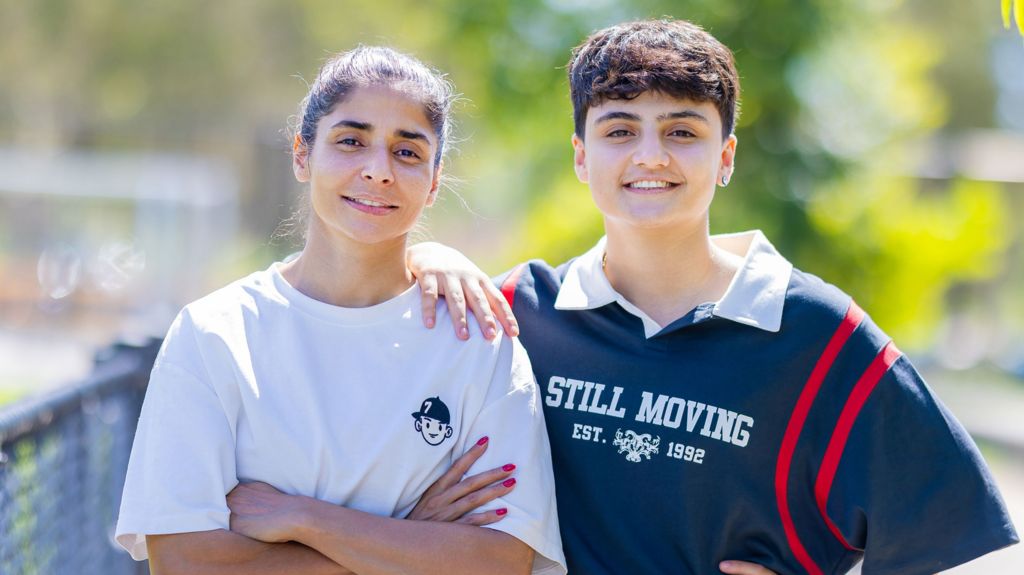
In a landmark moment that blends personal courage, sporting ambition and global political tension, two Iranian female footballers who openly defied their home country’s government have officially become Australian citizens. Thirty-four-year-old Atefeh Ramezanisadeh and 22-year-old Fatemeh Pasandideh took part in a naturalization ceremony in Brisbane, Queensland on Wednesday, marking the end of a months-long uncertain journey and the start of a new chapter in their lives.
The pair were part of a group of seven Iranian national team players who were offered humanitarian visas when Iran competed in the Women’s Asian Cup held on Australian soil in March. Their choice to reject the opportunity to return to Iran stemmed from a deliberate act of protest: the entire squad refused to sing the Iranian national anthem ahead of their opening tournament match, a show of solidarity that came just days after the United States and Israel launched joint air strikes against Iran on February 28.
Fears of severe repercussions for the protest spread quickly after Iranian state television broadcast a segment labeling the players “traitors” who deserved punishment for their silence during the anthem. Australian authorities, responding to pressure from local Iranian community groups, extended an offer of asylum to all seven players. In the end, only Ramezanisadeh and Pasandideh chose to stay and pursue protection; the other five players opted to return to Iran. Human rights activists have since raised allegations that the returnees were coerced into changing their decisions by threats made against their family members still living in Iran. Iranian sports officials, for their part, praised the returning players for their “national spirit and patriotism,” claiming they had “defeated the enemy’s plans” through their choice to come home.
The naturalization of the two footballers comes at a politically charged time for Australian migration policy. The current Australian government is preparing to roll out a series of stricter visa rules designed to reduce overall migration levels. The proposed reforms are expected to include limiting work rights and appeal avenues for asylum seekers, as well as a ban on visitor visa holders submitting family visa applications from within Australia. The government has faced growing pressure from opposition political parties, which have campaigned on stricter migration controls, while refugee advocacy organizations have repeatedly criticized existing and proposed measures, warning they put vulnerable asylum seekers’ safety at grave risk.
Despite the shifting policy landscape, the two players’ path to citizenship moved forward as planned. At the Brisbane ceremony, which was attended by Australia’s Interior Minister Tony Burke, both women spoke of their pride and gratitude for their new status. “It’s a new beginning and a place I’m proud to call home,” Pasandideh said. Ramezanisadeh reflected on the obstacles the pair had overcome to reach this point, adding, “I feel proud and deeply grateful to become an Australian citizen.”
Since making the decision to stay in Australia, Ramezanisadeh and Pasandideh have continued their athletic careers, training with Brisbane Roar, a professional club competing in Australia’s top A-League Women competition. They now look ahead to building their lives and pursuing their sporting goals in the country they now officially call home.