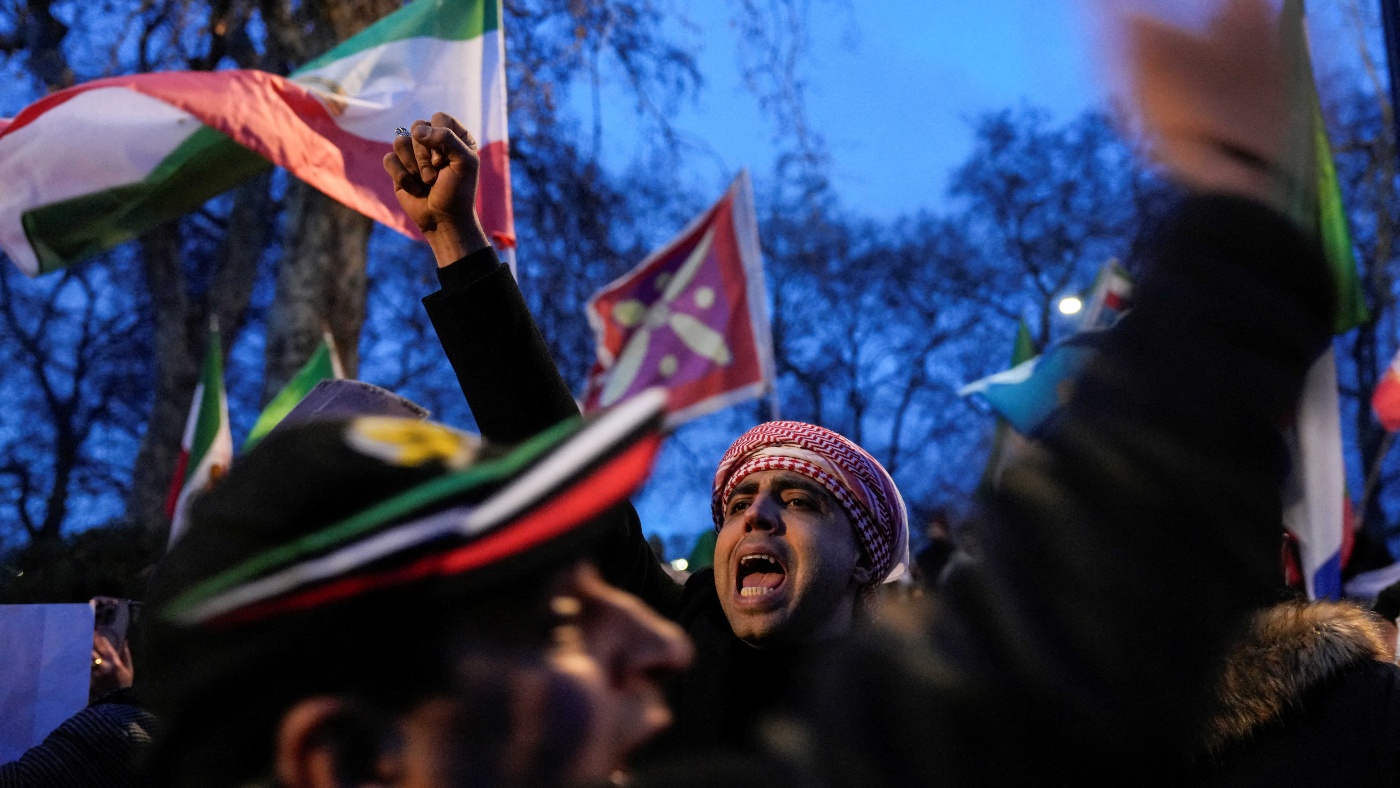
Iran has issued a stark warning that it will target Israeli territories and US military installations if its sovereignty is violated by foreign strikes, escalating tensions amid the nation’s most severe civil unrest in three years. The warning was delivered by Mohammad Baqer Qalibaf, Speaker of Iran’s Parliament and a former Revolutionary Guard commander, who stated that any attack on Iran would make “occupied territories and all US bases and ships legitimate targets.”
The threat emerges against a backdrop of intense domestic protests that have reportedly resulted in at least 192 fatalities, according to Iran Human Rights, a Norway-based NGO. The organization cautioned that the actual death toll may be significantly higher, with difficulties in verification due to a nationwide internet blackout exceeding 60 hours, as reported by internet monitor Netblocks.
US President Donald Trump has amplified tensions through social media, declaring that Iran is “looking at FREEDOM, perhaps like never before” and asserting that the “USA stands ready to help.” This statement followed his earlier warnings to Iranian leadership against using force on protesters.
Iranian President Masoud Pezeshkian accused the US and Israel of attempting to “sow chaos and disorder” by instigating what he termed “riots,” urging citizens to distance themselves from “rioters and terrorists.” Meanwhile, security chief Ali Larijani distinguished between economically motivated protests, which he called “understandable,” and actions resembling “terrorist group methods.
Israeli security forces have been placed on high alert, according to three sources present at security consultations, though specific measures remain undisclosed. This development follows a recent 12-day conflict between Israel and Iran in June, during which US forces joined Israeli strikes on Iranian territory.
A senior US intelligence official described the situation as an “endurance game,” with opposition forces maintaining pressure until key government figures defect, while authorities attempt to clear streets without provoking US intervention. Despite discussions between Israeli Prime Minister Benjamin Netanyahu and US Secretary of State Marco Rubio regarding potential intervention, Israel has not expressed desire to directly involve itself in Iran’s internal affairs.
The protests, initially sparked by economic grievances and rising inflation, have evolved into a broader movement challenging the Islamic Republic’s authority. Despite communication blackouts, videos emerging from Tehran and other cities show sustained demonstrations, including incidents of vehicle arson and mosque burnings according to state media.
Human rights organizations report critical situations in medical facilities, with hospitals overwhelmed, blood supplies diminishing, and accounts of protesters being deliberately targeted in the eyes. The US-based Center for Human Rights in Iran warned that “a massacre is unfolding” and urged international action to prevent further casualties.