A dangerous escalation in rhetoric between the United States and Iran has intensified as military leaders from both nations issued stark warnings, while President Donald Trump suggested Tehran might still be open to diplomatic engagement. The exchange occurs against the backdrop of a severe crackdown on domestic protests within Iran, which activists claim has resulted in thousands of fatalities.
General Mohammad Pakpour, Commander of Iran’s Revolutionary Guards, declared in a written statement broadcast on state television that his forces were more prepared than ever, with their “finger on the trigger,” to respond to any external threats. The statement, released during a national day celebrating the Guards, emphasized that Iran had learned from historical confrontations and warned the U.S. and Israel to avoid miscalculations.
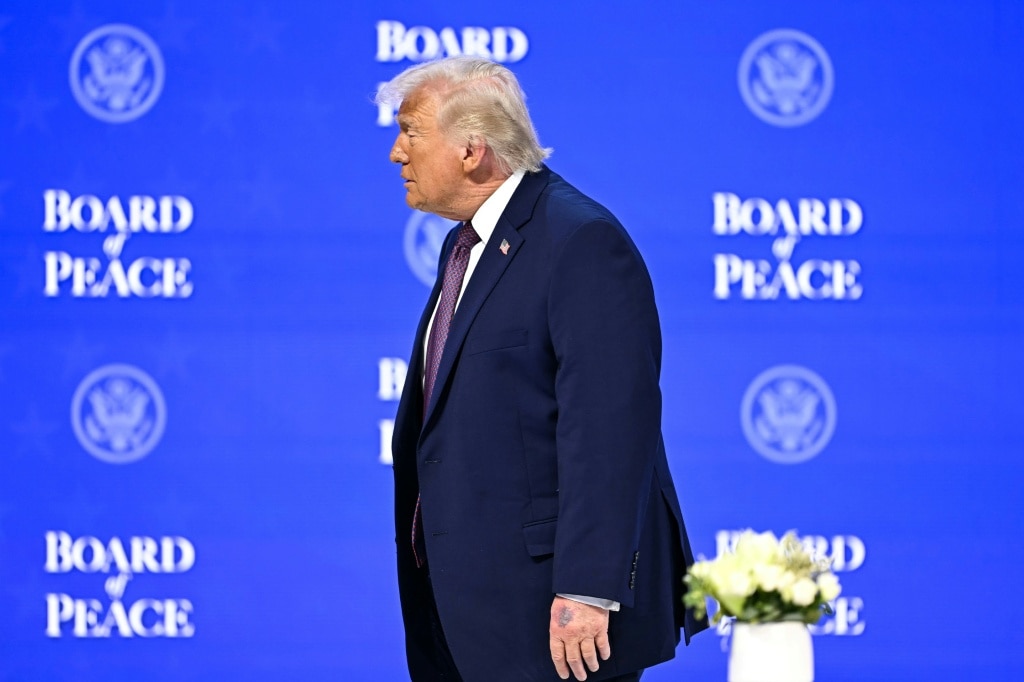
This warning followed President Trump’s remarks to reporters aboard Air Force One, where he announced a “massive fleet” was being directed toward the Gulf region, stating, “We’re watching Iran.” Trump reiterated that he would prefer to avoid conflict but left open the possibility of military action, continuing a pattern of volatile diplomacy that has characterized his administration’s approach to Iran.
The heightened tensions are set against the aftermath of widespread protests that began in late December, shaking the foundations of Iran’s clerical leadership. Iranian authorities provided their first official death toll, claiming 3,117 individuals were killed—a figure immediately disputed by international human rights organizations. The government sought to differentiate between “martyrs,” including security forces and bystanders, and what it labeled U.S.-backed “rioters.”
However, organizations such as Iran Human Rights (IHR) and the U.S.-based Human Rights Activists News Agency (HRANA) have documented significantly higher numbers, with verified counts of 3,428 and 4,902 deaths, respectively. These groups attribute the majority of casualties to security forces firing directly on demonstrators. An unprecedented internet blackout, lasting over two weeks according to monitor Netblocks, has severely hampered independent verification of the actual scale of violence and arrests, which HRANA estimates exceed 26,000.
In parallel, General Ali Abdollahi Aliabadi of the Iranian joint command headquarters warned that any American attack would make all U.S. interests, bases, and centers of influence “legitimate targets” for retaliation. Meanwhile, Iranian President Masoud Pezeshkian accused the U.S. and Israel of instigating the protests as an act of “cowardly revenge” for their perceived defeat in June’s 12-day war, which targeted Iran’s nuclear and ballistic missile programs.
The international community continues to watch closely as both nations balance aggressive posturing with assertions of diplomatic openness, all while grave concerns over human rights violations and regional stability persist.