The Middle East has descended into a rapidly expanding military conflict, with violence spreading across the region and beyond following the targeted killing of Iran’s Supreme Leader Ayatollah Ali Khamenei. For three consecutive days, joint U.S.-Israeli operations have continued striking targets within Tehran, while multiple fronts have opened throughout the region.
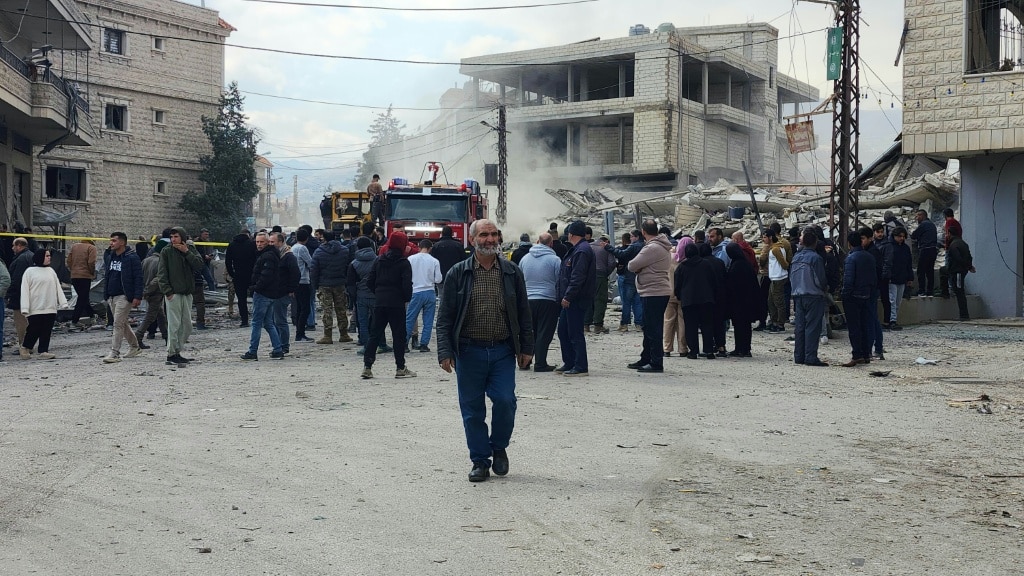
The conflict has drawn in numerous state and non-state actors, with Lebanon’s Hezbollah launching rocket attacks against Israel, prompting Israeli airstrikes across Lebanon. The Israeli Defense Minister issued stark warnings to Hezbollah leadership, vowing to eliminate them following the same path as Khamenei. In response, Lebanon’s government announced an immediate ban on all Hezbollah military activities, declaring them illegal.
Critical infrastructure throughout the Gulf region has been severely impacted, with a Saudi oil refinery set ablaze, Qatar halting its liquefied natural gas production, and multiple tankers attacked near the Strait of Hormuz. The strategic waterway, crucial for global oil transit, has become a flashpoint as Iran had previously warned vessels against crossing.
The conflict has reached European territory with an Iranian drone striking a UK air force base in Akrotiri, Cyprus, prompting evacuations and resulting in Greece deploying naval frigates and fighter jets to protect its EU partner nation.
In a tragic incident of friendly fire, three U.S. F-15E Strike Eagle jets were mistakenly shot down by Kuwaiti air defenses during active combat operations. The pilots and gunners survived the incident according to CENTCOM statements.
Communication within Iran has been severely restricted, with internet services down for over 48 hours according to NetBlocks monitoring organization. World leaders have offered mixed reactions to the escalating conflict, which began just two days after Iran and the United States had held negotiations regarding Tehran’s nuclear program.