Global energy markets experienced significant turbulence as escalating hostilities between Iran and Israel triggered a dramatic surge in oil prices, coinciding with the appointment of Mojtaba Khamenei as Iran’s new supreme leader. The benchmark Brent crude surpassed $100 per barrel for the first time since the Ukraine conflict four years prior, while West Texas Intermediate recorded a staggering 75% increase since the conflict’s initiation.
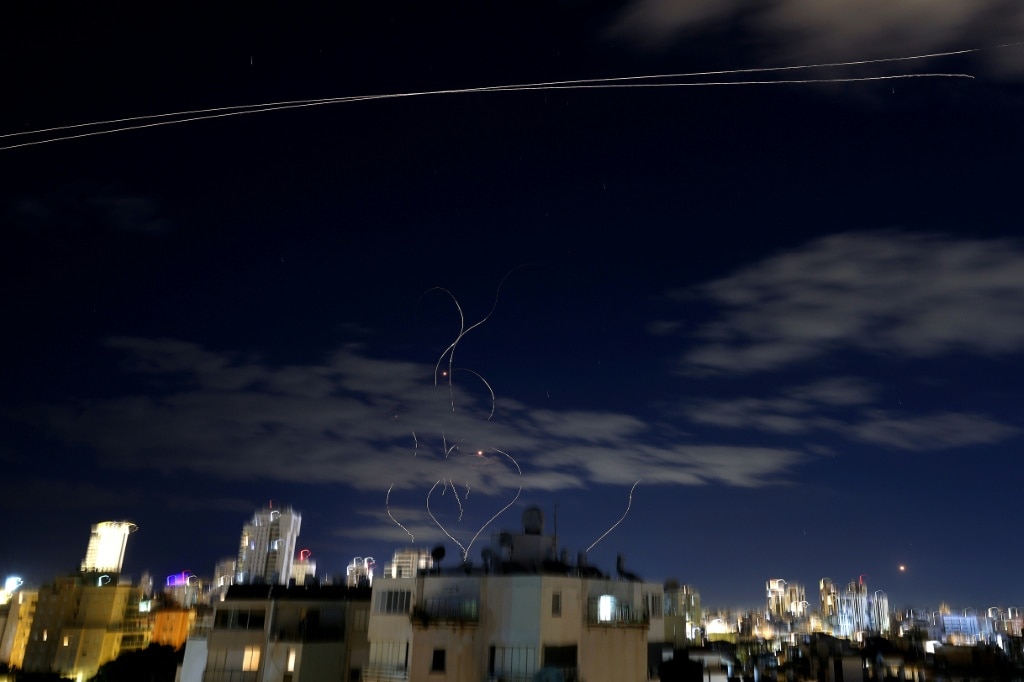
The transition of power occurred amidst intensified military exchanges, with Tehran launching missile barrages targeting Israeli positions and Gulf energy infrastructure. Saudi Arabia reported drone incursions targeting oil fields, while Bahrain’s state energy company Bapco declared force majeure, indicating potential contract defaults due to circumstances beyond its control. The United Arab Emirates and Kuwait similarly reported fresh attacks on energy facilities.
Financial markets worldwide reacted immediately to the geopolitical instability. Asian economies bore early brunt with Japanese and South Korean markets closing down over 5%, while European markets opened sharply lower with continental gas prices soaring 30%. The Philippine government implemented fuel rationing measures, and Vietnam prepared to eliminate import tariffs on petroleum products.
G7 finance ministers convened emergency discussions regarding potential strategic oil reserve releases to mitigate price pressures. French President Emmanuel Macron, current chair of the group, emphasized the need to protect the global economy from energy market volatility.
International responses revealed deepening geopolitical divisions. Russian President Vladimir Putin extended direct support to the new Iranian leadership, affirming Russia’s continued partnership. China cautioned against targeting leadership figures while emphasizing respect for Iranian sovereignty. Conversely, former U.S. President Donald Trump characterized Mojtaba Khamenei as politically insignificant despite his influential connections to Iran’s Revolutionary Guard Corps.
The conflict expanded beyond the immediate region with Hezbollah engaging Israeli forces in eastern Lebanon, while Israeli strikes targeted financial institutions linked to the militant group in Beirut. The U.S. State Department ordered non-emergency personnel evacuation from Saudi Arabia following a drone strike on its embassy, signaling anticipation of prolonged hostilities.