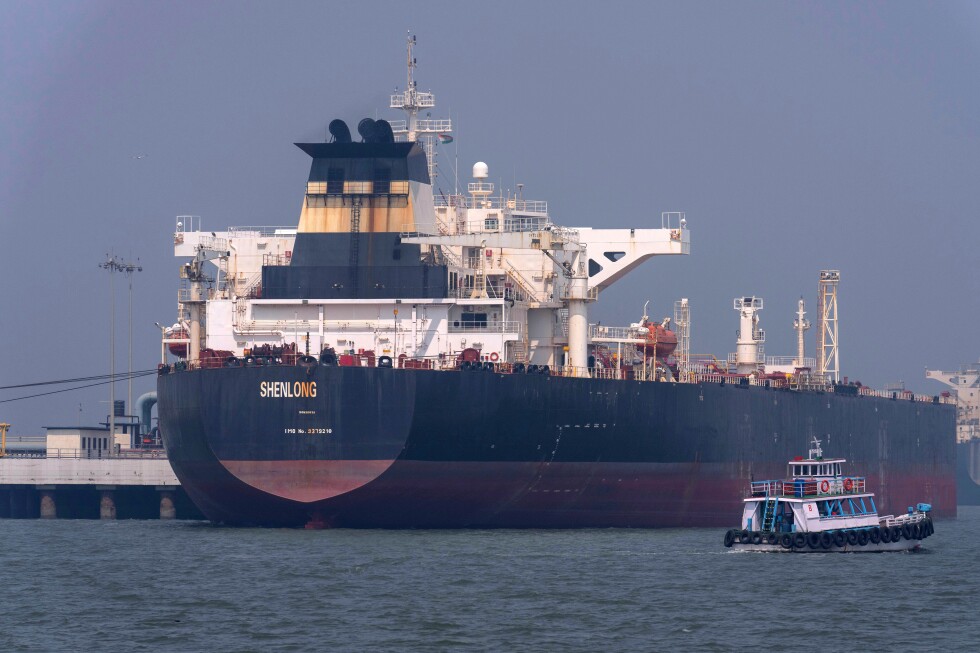
The escalating military confrontation with Iran has triggered a severe global energy crisis, forcing nations worldwide into difficult triage decisions regarding fuel allocation and consumption. This supply shock has exposed critical vulnerabilities in energy-importing economies, particularly across Asia where governments are implementing emergency measures to manage dwindling resources.
Asia faces disproportionate exposure to the crisis due to its heavy reliance on imported fuels, much of which traditionally transits through the now-disrupted Strait of Hormuz. This critical maritime corridor, located offshore from Iran, typically facilitates approximately one-fifth of global crude oil and liquefied natural gas trade. The blockage has compelled regional governments to enact conservation measures, compete for scarce supplies, and implement price controls—all while navigating difficult trade-offs between economic activity and energy security.
Southeast Asian nations have adopted particularly stringent conservation approaches. The Philippines transitioned to a four-day workweek for government employees to reduce energy consumption by 20%, alongside mandating elevated office temperature settings and computer shutdowns during breaks. Vietnam encouraged remote work arrangements, while Thailand’s Prime Minister advocated for stair usage over elevators in conservation efforts.
Energy analysts warn these measures inevitably impact economic productivity. Linh Nguyen of Control Risks consultancy noted that ‘even relatively modest constraints on energy use can create a drag on industrial activity,’ particularly affecting energy-intensive export industries like Vietnam’s manufacturing sector.
The crisis extends beyond Asia to fuel-importing economies across Africa and other regions as global competition for limited supplies intensifies. Putra Adhiguna of the Energy Shift Institute in Jakarta emphasized that ‘the situation is common across the board—there is no easy decision for the short term.’
East Asian economic powers are deploying strategic reserves to maintain industrial operations. Japan initiated the release of approximately 45 days’ worth of oil from its substantial reserves—a system established after the 1970s oil crises—while South Korea committed to releasing 22.46 million barrels through the International Energy Agency’s coordinated effort. However, energy experts caution that reserve depletion constitutes merely a temporary buffer rather than a sustainable solution.
Populous nations face particularly complex challenges in balancing household needs against commercial demands. India prioritized liquefied petroleum gas (LPG) allocations for residential cooking over commercial establishments, forcing restaurants to modify menus and operating hours. Similar dilemmas confront Indonesia and Thailand, where subsidy programs strain national budgets while attempting to shield consumers from price spikes.
The European Union is addressing the crisis through accelerated clean energy transition strategies, seeking to reduce consumption and enhance energy security across member states. European Commissioner for Energy Dan Jørgensen confirmed officials are ‘working on immediate measures to help businesses and our most vulnerable citizens’ amid sharply elevated prices.
As the conflict persists, analysts warn that energy rationing and difficult prioritization decisions will likely expand globally, with renewable energy and diversified supply chains emerging as critical long-term solutions to enhance energy security.