The ongoing conflict in Iran has triggered a severe global energy crisis through the effective closure of the Strait of Hormuz, sending gasoline prices skyrocketing worldwide. This narrow maritime passage, vital for approximately 21 million barrels of oil daily, represents one of the most critical chokepoints for global energy transportation.
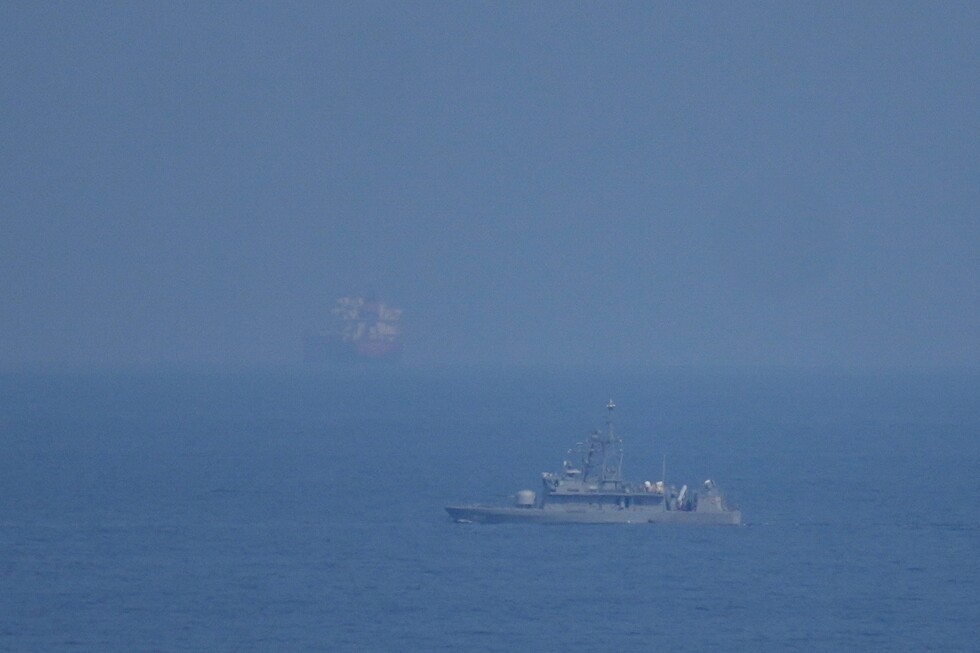
French President Emmanuel Macron is spearheading international efforts to develop contingency plans for reopening the strategic waterway once hostilities subside. The proposed solution involves multinational naval forces providing armed escorts for commercial tankers and container vessels. However, military experts warn that any attempt to force reopening during active combat operations would prove catastrophic.
Retired French Vice Admiral Pascal Ausseur characterized such efforts as “suicidal” under current conditions, noting that only a formal ceasefire could reduce the threat level from “suicidal to dangerous.” Naval strategists emphasize that the narrow shipping lanes leave vessels virtually defenseless against Iran’s sophisticated anti-ship capabilities.
The international naval community has gained valuable experience from Red Sea operations against Houthi rebels, where French, American, and British forces successfully defended commercial shipping from drone and missile attacks. French frigates notably intercepted ballistic missiles while escorting container ships in 2024. However, experts unanimously agree that Iran presents a far greater threat than its Yemeni proxies, possessing advanced Chinese-developed anti-ship cruise missiles, drones, and naval mines that can target vessels throughout the strait and its approaches.
Beyond military challenges, the economic viability of resuming shipments faces significant hurdles. Insurance premiums for Hormuz transit have reached unprecedented levels, described by France’s transport minister as “insane.” Maritime insurers indicate that rates for oil tankers now approach those charged for Ukrainian grain shipments during the Russia conflict. Industry experts note that even with naval protection, shipping companies cannot operate profitably with current insurance costs, creating a critical barrier to resuming energy flows through the region.
Military analysts conclude that comprehensive elimination of Iran’s coastal offensive capabilities, coupled with continuous surveillance and intelligence operations, must precede any safe reopening attempt—a scenario unlikely to materialize in the immediate future.