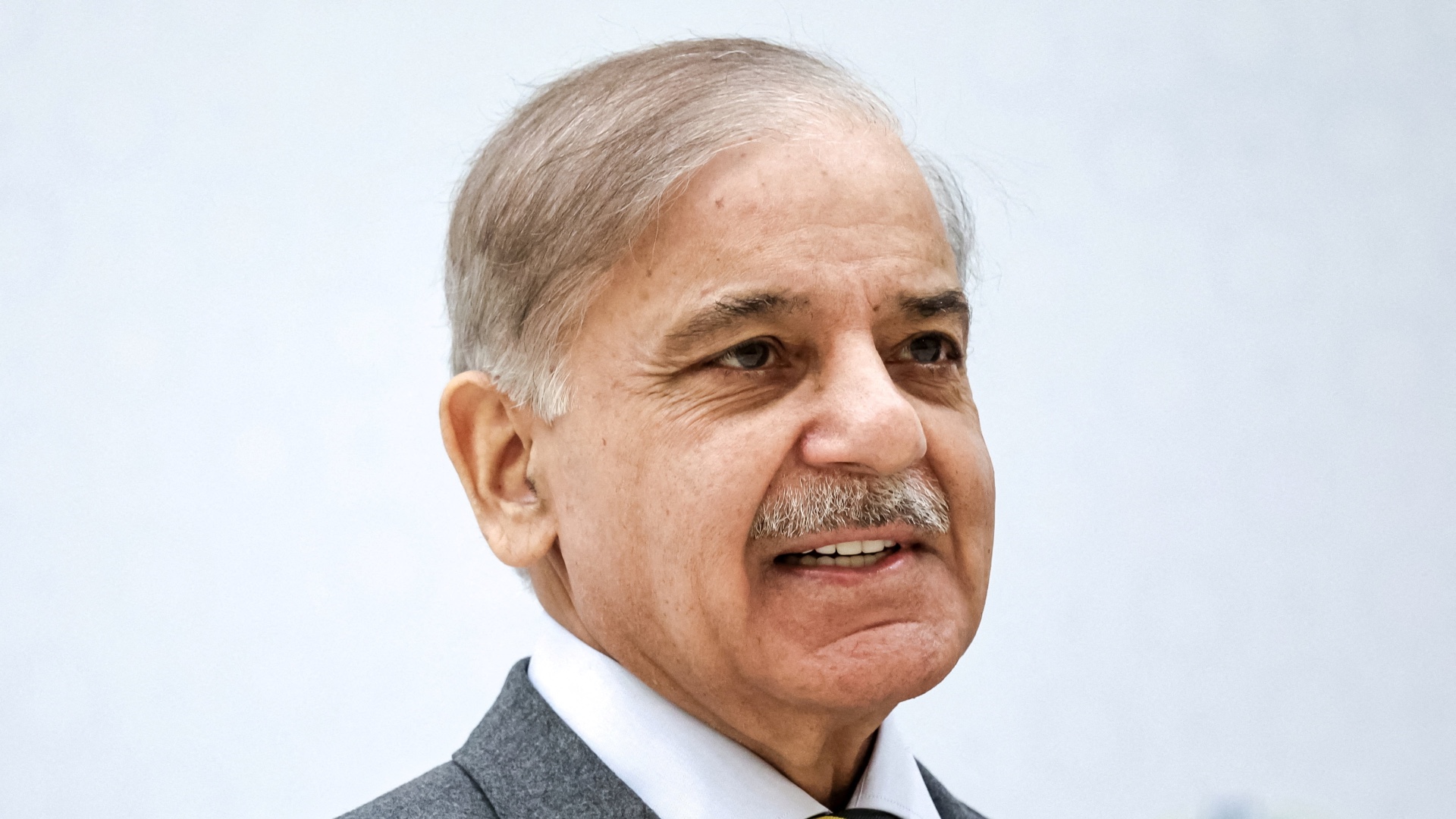
Pakistan has initiated severe austerity measures in response to the escalating conflict between the US-Israel alliance and Iran, which has severely disrupted global energy markets and threatened the nation’s economic stability. Prime Minister Shehbaz Sharif announced the closure of all schools until month-end and mandated remote work for university students and half of the national workforce, excluding essential services.
The government’s comprehensive austerity package includes a 20% reduction in official expenditures, prohibition of major purchases, and significant cuts to official vehicle usage and fuel allowances. High-earning government officials face two-month salary deductions, while federal cabinet members will forfeit their salaries entirely during this period. Parliament members will see a 25% reduction in wages, and all foreign travel for lawmakers has been prohibited. The measures extend to social events, with official Ramadan iftars and government parties banned indefinitely.
These drastic steps come as the US-Israel military campaign against Iran enters its second week, with Iran retaliating by targeting Gulf energy infrastructure and effectively blocking the Strait of Hormuz—a critical passage for 20% of global petroleum shipments. Pakistan relies overwhelmingly on Gulf energy imports, with Qatar and the UAE supplying 99% of its liquefied natural gas needs.
The conflict has driven oil prices to their highest levels since Russia’s invasion of Ukraine, with Brent crude reaching $119 per barrel. Pakistan’s economy, already struggling with high inflation, substantial debt, and dwindling foreign exchange reserves, faces additional pressure from regional security challenges, including border tensions with Afghanistan and historical conflicts with India.
Prime Minister Sharif has condemned both the attacks on Iran and Tehran’s retaliatory measures while offering Pakistan’s services as a mediator to de-escalate the rapidly worsening conflict.