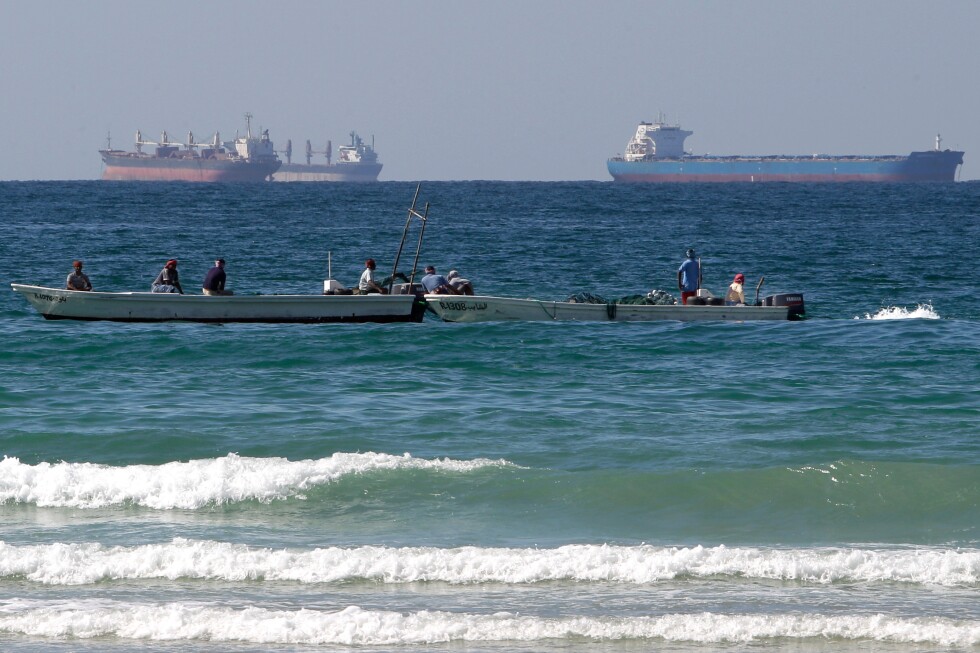
The escalating conflict in Iran has triggered a critical disruption to global supply chains, extending far beyond the immediate suspension of oil tanker movements through the strategically vital Strait of Hormuz. Maritime and aerial logistics corridors are experiencing severe paralysis, threatening widespread shortages and inflationary pressures on goods ranging from Asian semiconductors and Indian pharmaceuticals to Middle Eastern fertilizers and petrochemicals.
Maritime tracking data from Clarksons Research indicates approximately 3,200 vessels, representing 4% of global ship tonnage, are currently immobilized within the Persian Gulf. An additional 500 ships remain in holding patterns outside the Gulf near ports in the United Arab Emirates and Oman. Industry experts warn these disruptions create a domino effect throughout global logistics networks. ‘The supply chain functions like an interconnected train system,’ explained Michael Goldman of CARU Containers. ‘When one segment becomes derailed, it inevitably impacts numerous other components within the system.’
In response to the crisis, the United States has initiated contingency measures. President Trump announced the U.S. International Development Finance Corp. would provide subsidized political risk insurance for vessels transiting the Persian Gulf, with the U.S. Navy prepared to escort oil tankers through the Strait of Hormuz if necessary.
The conflict’s impact extends beyond maritime routes, with air cargo operations experiencing parallel disruptions. Closed airspace and airports across UAE, Qatar, Bahrain, Kuwait, Iraq, and Iran have grounded both passenger and cargo aircraft. This particularly affects high-value and time-sensitive shipments, including pharmaceuticals from India and electronics from Asia, which account for approximately 35% of global trade value despite representing less than 1% of freight volume by weight.
Shipping companies are implementing extensive rerouting strategies, diverting vessels around Africa’s Cape of Good Hope—a detour adding 10-14 days to transit times and approximately $1 million in additional fuel costs per vessel. These extended routes, combined with newly implemented war risk surcharges and rising fuel prices, are driving substantial cost increases throughout global supply chains.
Despite the unprecedented nature of the current disruption, industry representatives note the logistics sector has developed resilience through recent challenges including COVID-related shortages and previous regional conflicts. ‘The industry essentially operates on disruption management,’ Goldman observed, indicating adaptability while acknowledging the severity of the present crisis.