The International Energy Agency (IEA) declared on Thursday that military actions against Iran have triggered the most severe supply disruption in global oil market history. According to the agency’s monthly market assessment, joint U.S.-Israeli airstrikes initiated on February 28 have created unprecedented volatility, with Brent crude futures approaching $120 per barrel amid critical supply chain interruptions.
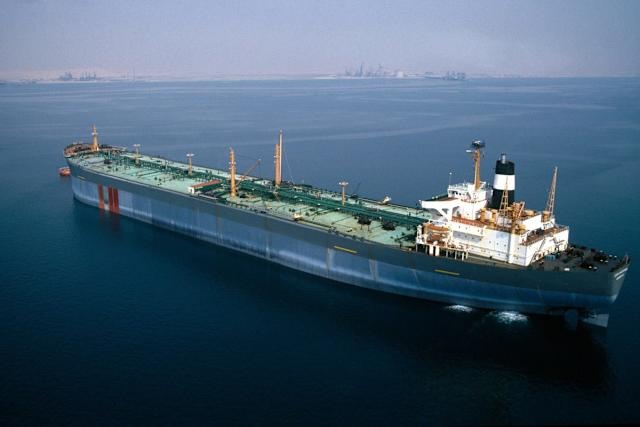
The strategic Strait of Hormuz, traditionally facilitating approximately 20% of global oil transit, has experienced catastrophic declines in tanker traffic. Gulf nations are now compelled to slash production capacities as storage facilities reach maximum capacity. IEA Executive Director Fatih Birol characterized the situation as requiring “emergency collective action of unprecedented size” as 32 member nations unanimously agreed to release 400 million barrels from strategic petroleum reserves.
Market tensions intensified substantially when Iran’s new Supreme Leader Mojtaba Khamenei vowed to maintain the Strait’s closure indefinitely. Concurrently, Iraq suspended all terminal operations following attacks on two vessels off its coast, with Iranian forces claiming responsibility for targeting a U.S.-affiliated tanker.
The conflict’s environmental consequences have raised international concern, as the World Health Organization warned populations about exposure to toxic chemicals from black rain and acidic precipitation resulting from bombed energy infrastructure. Amnesty International’s regional director Heba Morayef emphasized that attacks on energy installations potentially violate international humanitarian law, creating “devastating civilian harm including uncontrolled fires, essential service disruptions, and severe long-term health risks for millions.”
The convergence of supply constraints, military actions, and environmental hazards has created a multidimensional crisis with far-reaching implications for global energy security and economic stability.