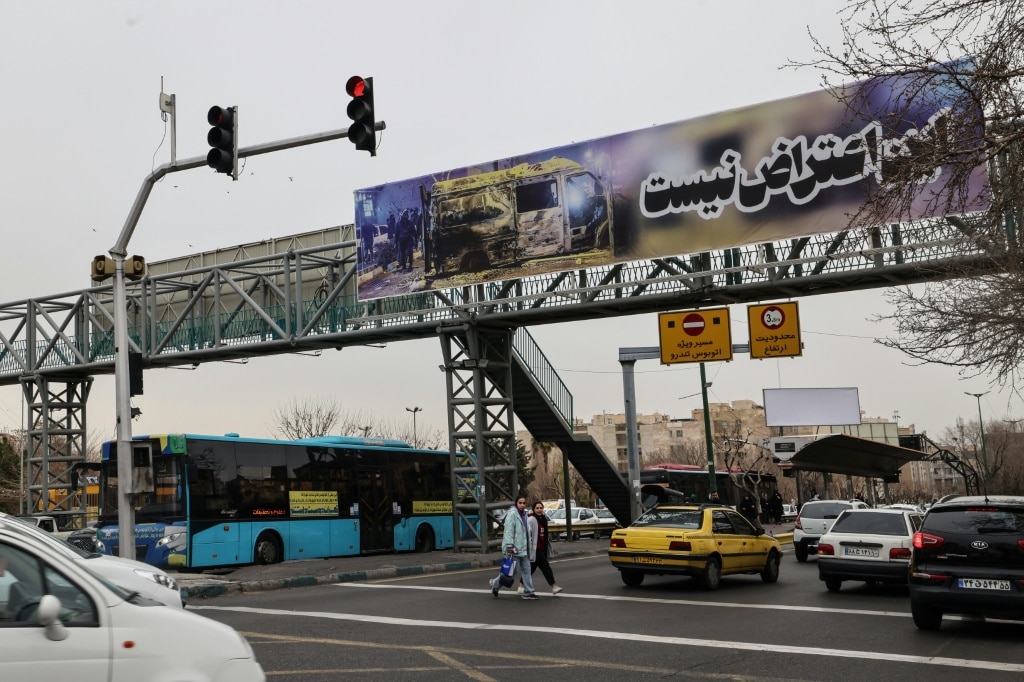
A significant de-escalation in US-Iran tensions emerged Thursday as Tehran pledged to defend itself against foreign threats while simultaneously walking back threats of executing arrested protesters. This development followed President Donald Trump’s ambiguous statement that the United States would ‘watch it and see’ regarding potential military action against Iran.
The crisis originated with nationwide protests in Iran, initially sparked by economic grievances but rapidly evolving into the most substantial challenge to the Islamic Republic’s authority since its 1979 establishment. Rights organizations documented a brutal government crackdown, estimating at least 3,428 fatalities and over 10,000 arrests amid what they described as a near-total internet blackout designed to conceal the extent of state violence.
In a pivotal development, the Iranian judiciary announced that Erfan Soltani, a 26-year-old protester whose potential execution had drawn international concern, would not face capital punishment. Judicial authorities clarified that charges of ‘propaganda against Iran’s Islamic system’ and ‘acting against national security’ carry prison sentences rather than death penalties under Iranian law.
This judicial reassessment came hours after President Trump revealed receiving assurances from ‘very important sources on the other side’ that executions would not proceed. ‘They’ve said the killing has stopped and the executions won’t take place,’ Trump stated during a White House briefing, while maintaining that military options remained available should circumstances change.
The geopolitical ramifications extended beyond bilateral relations, with Iranian Foreign Minister Abbas Araghchi engaging in telephone diplomacy with Saudi counterpart Faisal bin Farhan to emphasize ‘global condemnation of foreign interference.’ Simultaneously, Saudi Arabia communicated through backchannels that it would not permit its territory or airspace to be used for attacks against Iran.
Regional actors expressed relief at the de-escalation, with Turkey publicly opposing military action against Iran and oil markets responding with price drops as concerns about potential supply disruptions eased. The situation remained monitored at the international level, with the UN Security Council convening to discuss the crisis and G7 nations warning of additional sanctions should the crackdown persist.
Despite government claims of restored ‘calm’ and ‘full control,’ evidence continued to emerge of the crackdown’s severity. Verified footage showed morgues south of Tehran overwhelmed with casualties, while internet monitoring groups confirmed the blackout had exceeded 156 hours—one of the most extensive digital shutdowns in Iran’s history.
Analysts from the US-based Institute for the Study of War noted that while observable protests had diminished to zero, the regime maintained repressive measures at significant cost, indicating authorities still perceived substantial threat from dissent movements within the country.