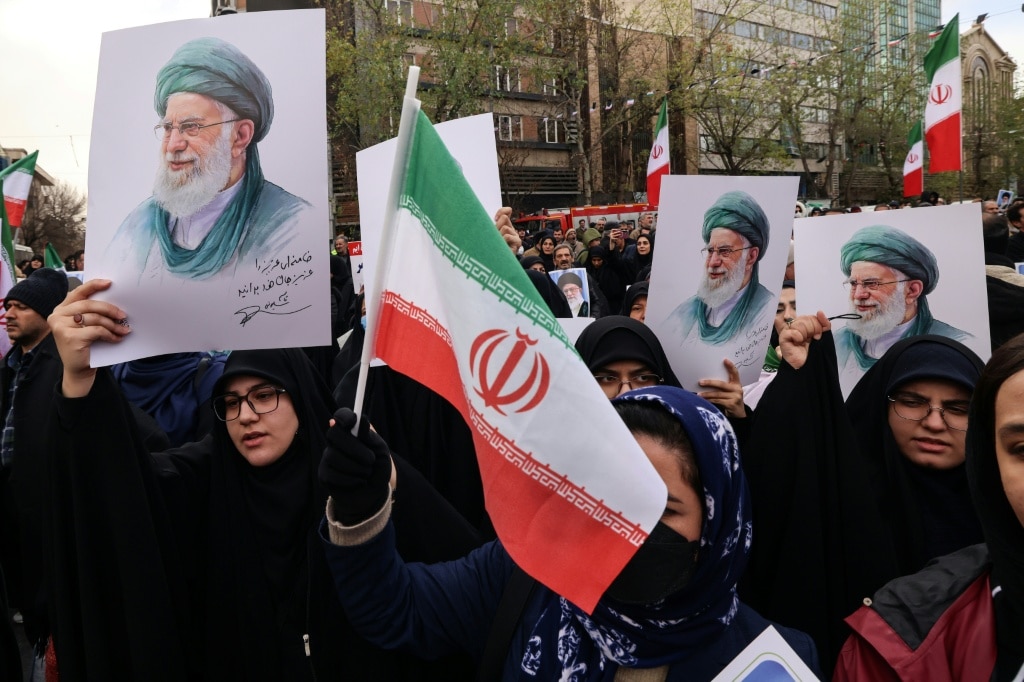
Iranian authorities have announced expedited judicial proceedings for individuals detained during nationwide protests, escalating tensions with the United States following President Trump’s threat of “very strong action” should executions proceed. The judiciary, led by Chief Gholamhossein Mohseni Ejei, has declared intentions to conduct public trials for those accused of severe offenses, including acts of terror and arson.
Concurrently, Tehran hosted a state-sponsored funeral honoring over 100 security personnel labeled as “martyrs” in the unrest. The government has characterized the widespread demonstrations—initially driven by economic discontent—as “riots” and attributed “acts of terror” to participants.
Rights organizations report a near-total internet blackout persisting for over 132 hours, which they allege obscures the actual death toll and scale of state violence. Verified footage emerging from Iran shows morgues in the capital’s outskirts lined with black body bags, while distraught families search for missing relatives.
International response has intensified, with the U.S. State Department confirming via its Farsi-language social media that 26-year-old Erfan Soltani received a death sentence—potentially the first of many. Amnesty International and Iran Human Rights have issued urgent appeals to halt executions, with the latter documenting 734 confirmed fatalities, including nine minors, though actual numbers may reach thousands.
Supreme Leader Ayatollah Ali Khamenei, who recently emerged from hiding following prior conflicts, faces one of the most significant challenges to the Islamic Republic since its inception. Despite analysts noting the regime’s resilient security apparatus, including the Revolutionary Guard Corps, the protest movement continues to test theocratic stability amid global scrutiny.